 By Hemant Sharma
 The price of a 1.5 ton split AC often raises questions because similar-looking systems can vary widely in cost. In the current market, buyers typically encounter prices between ₹40,000 and ₹ 65,000, depending on performance capabilities, durability, and comfort-focused features. This difference is not arbitrary.
Each feature integrated into a cooling system adds functional value to the price of a 1.5 ton split AC, influencing efficiency, air quality, reliability, and daily usability. Instead of viewing cost as a single figure, it helps to understand how engineering decisions shape long-term ownership value. This guide explains how specific features justify the price of a 1.5 ton split AC, offering a structured offering details about budget-conscious choices and more premium, performance-driven options.
Features that Justify the Price of a 1.5 Ton Split AC
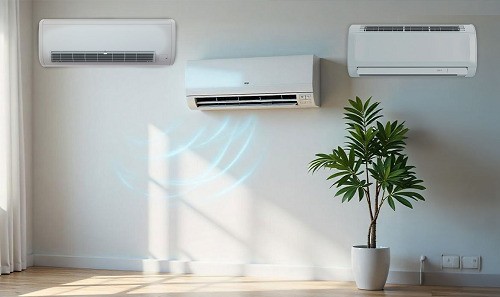
Let’s take a look at some of the features that support a well-functioning and optimally priced 1.5 ton split AC.
1. Inverter Compressor Technology
Inverter technology plays a defining role in justifying the price of a 1.5 ton split AC. Unlike conventional compressors that operate in fixed cycles, inverter compressors continuously regulate speed based on cooling demand. This ensures consistent indoor temperatures without frequent power surges.
The engineering required for variable-speed operation increases system cost, yet it delivers tangible value through improved energy efficiency, reduced mechanical stress, and quieter performance. Over long usage cycles, these benefits translate into lower electricity consumption and extended component life, validating the higher upfront price.
2. AI-based Cooling Modes
AI-enabled cooling systems directly influence the price of a 1.5 ton split AC by introducing intelligent performance optimization. These modes analyze room temperature, humidity levels, and usage behavior to adjust cooling output dynamically.
This automation reduces overcooling and unnecessary energy draw, supporting stable comfort throughout the day. The integration of sensors and adaptive algorithms adds development complexity, which is reflected in pricing. However, the resulting efficiency and reduced manual intervention offer measurable long-term value.
3. Four-way Swing and Airflow Precision
Air distribution quality is a key comfort factor that justifies the price of a 1.5 ton split AC equipped with advanced airflow mechanisms. Four-way swing systems ensure uniform cooling by directing air both vertically and horizontally across the room.
Combined with multiple fan speed options, this design adapts airflow intensity to occupancy and ambient conditions. Precision airflow components require additional motors and control systems, increasing cost while significantly improving cooling consistency and room-wide comfort.
4. Draft Guard Technology
Draft guard functionality enhances user comfort and contributes to the price of a 1.5 ton split AC by managing airflow softness. Instead of directing cold air sharply toward occupants, this feature diffuses airflow evenly.
This refinement reduces discomfort during extended use, especially at night or during sedentary activities. Achieving controlled diffusion requires carefully designed louvres and airflow algorithms, which adds engineering depth and justifies the associated price increase.
5. High-Density and PM 2.5 Filtration
Air purification features are a major factor in the price of a 1.5 ton split AC, particularly in urban environments. High-density filters capture dust, pollen, and larger airborne particles, while PM 2.5 filters address finer pollutants that affect respiratory health.
These filtration layers use specialized materials and require precise airflow calibration. The added cost supports healthier indoor air, reduced allergens, and improved overall well-being, making the investment practical rather than cosmetic.
6. Anti-fungus Protection
Anti-fungus technology supports long-term air quality and influences the price of a 1.5 ton split AC by preventing microbial growth within internal components. Moisture buildup inside cooling systems can lead to mold formation if left unchecked.
Protective coatings and controlled drying cycles add manufacturing complexity but help maintain cleaner airflow over time. This feature reduces odor issues and supports consistent hygiene, especially in humid climates.
7. Blue Fin Coating for Corrosion Resistance
Durability-focused features strongly justify the price of a 1.5 ton split AC, and blue fin coating is a prime example. This protective layer shields heat exchanger surfaces from corrosion caused by humidity, pollution, and salt exposure.
Applying such coatings involves additional processing steps and quality checks. The benefit lies in prolonged system life, stable heat transfer efficiency, and reduced risk of performance degradation, supporting the long-term value of the initial investment.
8. Copper and Enhanced Copper Tubes
Material selection has a direct impact on the price of a 1.5 ton split AC. Systems built with 100% copper components offer superior heat transfer and better tolerance to high operating pressures.
Enhanced copper tube designs further improve thermal efficiency and simplify maintenance. Copper-based construction increases production costs but reduces long-term servicing challenges and improves system reliability, making it a practical justification for higher pricing.
9. Compressor Jacket and Thermal Stability
A compressor jacket adds thermal insulation and mechanical protection, influencing the price of a 1.5 ton split AC by improving performance stability. This feature helps maintain consistent compressor temperatures during prolonged operation.
The added insulation reduces vibration and operational noise while protecting critical components from environmental stress. These benefits support quieter operation and longer system life, reinforcing the value behind the added cost.
10. Smart Controls and Memory Functions
User-focused electronics contribute significantly to the price of a 1.5 ton split AC. Room temperature displays provide real-time feedback for precise adjustments, while memory functions restore preferred settings after power interruptions.
Remote lock features prevent accidental changes, adding safety and control. Auto-restart protection ensures uninterrupted operation during voltage fluctuations. These integrated control systems increase design complexity but enhance everyday usability and reliability.
- Self-diagnosis and Maintenance Alerts
Self-monitoring features justify the price of a 1.5 ton split AC by reducing maintenance effort and preventing performance loss. Filter clean reminders prompt timely upkeep, maintaining airflow efficiency and cooling effectiveness.
Self-diagnosis systems identify issues early, allowing quicker resolution and minimizing downtime. Frost protection mechanisms prevent ice buildup on internal components, supporting efficient heat exchange during extended use.
Evaluating Price Through Performance and Longevity
The price of a 1.5 ton split AC reflects the combined value of engineering, comfort, efficiency, and durability rather than cooling capacity alone. Features such as inverter technology, AI-driven operation, advanced airflow control, layered filtration, copper construction, and smart diagnostics each justify their cost through measurable performance benefits.
Over the years of daily use, these features reduce operational expenses and enhance indoor comfort. Buyers who assess price through long-term value are better equipped to choose wisely. For reliable solutions designed around performance-driven features and everyday comfort, electronics manufacturers like Kelvinator continue to align with modern household expectations. Look for the best 1.5 ton split AC that justifies its cost.