 By Hemant Sharma
 Joint pain, stiffness, fractures and mobility issues can affect day-to-day life more than many people expect. Whether caused by age, injury, lifestyle or chronic conditions, musculoskeletal problems often become worse when ignored. In a fast-paced city like Delhi, long working hours, sedentary jobs, and increased participation in sports or fitness activities can all contribute to rising orthopaedic concerns. Accessing timely medical attention is key to preventing minor discomfort from developing into more serious complications.
Delhi has become one of the most sought-after destinations for orthopaedic care because of its strong medical infrastructure, experienced specialists and wide range of treatment options. Understanding these advantages can help individuals make informed choices about their health.
Common Orthopaedic Conditions
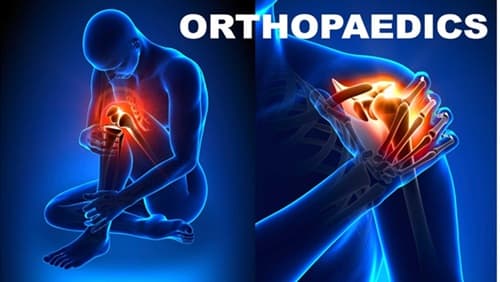
Orthopaedic specialists diagnose and treat conditions that affect the bones, joints, muscles, ligaments and tendons. Some of the most frequently encountered concerns include:
● Arthritis
A group of conditions characterised by joint inflammation, stiffness and pain. The most common forms are osteoarthritis and rheumatoid arthritis. Diagnosis may involve imaging tests and laboratory investigations.
● Fractures
Breaks in the bone caused by falls, accidents, or sports injuries. Treatment depends on the type and location of the fracture.
● Joint Pain
Pain in joints such as the knee, hip, shoulder or ankle. Causes can range from overuse and ageing to ligament injuries or cartilage damage.
● Sports Injuries
These include ligament tears such as ACL or PCL injuries, rotator cuff tears and meniscus injuries. Early assessment may support better recovery outcomes.
● Deformities
Structural irregularities that may be congenital or develop over time, affecting limb alignment and function.
Benefits of Orthopaedic Treatment in Delhi
Delhi offers several advantages for individuals seeking specialist orthopaedic care.
● Skilled Orthopaedic Doctors
The city is home to many highly qualified orthopaedic surgeons trained in India and internationally. Their expertise spans trauma, joint replacement, sports medicine and minimally invasive procedures.
● Advanced Medical Facilities
Modern imaging tools, computer-assisted navigation systems and robotic-assisted surgical platforms are increasingly available in Delhi.
Many multispeciality hospitals, including medical institutions such as Venkateshwar Hospital, provide access to these advanced technologies. Robotic-assisted techniques are being used in procedures such as knee replacement, where enhanced precision may support improved alignment and potentially smoother recovery.
Types of Orthopaedic Treatments
Orthopaedic care can range from conservative management to surgical intervention. Treatment decisions should always be guided by a qualified specialist after a full evaluation.
Surgical Options
- Total Joint Replacement
Replacement of a damaged knee, hip or shoulder joint with a prosthetic implant. Commonly used for advanced arthritis. - Arthroscopy
A minimally invasive technique using small incisions and a camera to diagnose or treat joint issues such as ligament tears or cartilage damage. - Fracture Repair
Involves stabilising broken bones using plates, screws, rods or casts. - Limb Reconstruction
Procedures used to correct deformities, lengthen limbs or restore alignment.
Non-Surgical Treatments
- Physiotherapy
Helps improve mobility, flexibility and strength through guided exercises. - Medication
Pain relievers and anti-inflammatory drugs may help manage symptoms. These must be taken only under medical supervision. - Lifestyle Guidance
Advice on posture, ergonomics, activity modification and weight management to support long-term musculoskeletal health.
Choosing the Right Orthopaedic Doctor
Selecting a specialist is an important part of the treatment journey. Here are key considerations:
- Qualifications and Experience
Ensure the doctor is board-certified and has substantial experience with your specific condition. - Area of Specialisation
Some surgeons focus on sports injuries, others on joint replacement or trauma. Choosing a doctor with relevant expertise is beneficial. - Patient Feedback
Reviews and testimonials can offer insights into a doctor’s approach, though experiences vary from person to person. - Hospital Affiliation
A doctor working in a well-equipped hospital may have access to better diagnostic facilities and postoperative rehabilitation services.
Rehabilitation and Recovery
Recovery plays a crucial role in achieving long-term improvement.
1) Role of Physiotherapy
Physiotherapists work with patients to create tailored plans that may:
- Reduce pain and stiffness
- Improve flexibility and movement
- Strengthen supporting muscles
- Promote safe return to normal activities
2) Lifestyle Adjustments
Small changes can support recovery and long-term joint health.
- Maintain a healthy weight to ease pressure on joints
- Eat a balanced diet with adequate calcium and vitamin D
- Choose low-impact exercises such as swimming or walking
- Follow ergonomic advice for daily tasks
Your Path to Better Movement
Delhi offers a strong combination of experienced orthopaedic specialists, advanced technology and comprehensive rehabilitation support. From diagnosis to recovery, patients can access a wide spectrum of services to help manage musculoskeletal concerns effectively.
If you are experiencing persistent joint pain, an injury or mobility issues, consulting a qualified orthopaedic specialist is the safest way to understand your condition and explore appropriate treatment options.