 By Hemant Sharma
 Cricket is not just a sport. For millions of people, it is emotion, habit, and sometimes even identity. Streets go silent during important matches, radios and TVs stay on for hours, and players become heroes across generations. What makes cricket special is that it blends patience with excitement, tradition with innovation, and simplicity with deep strategy.
Behind the familiar bat and ball, cricket hides many surprising facts that even regular fans may not know. Here are the top 10 interesting facts about cricket.
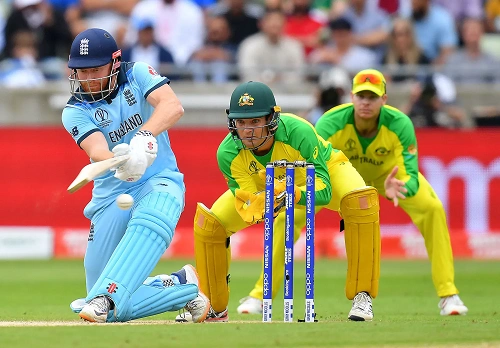
1. Cricket Is One of the Oldest Team Sports
Cricket began more than 400 years ago. It is believed to have started in England as a children’s game before slowly becoming a formal sport.
Over time, rules were written, grounds were standardized, and international matches began. Few modern sports have such a long and continuous history. Cricket has evolved, but it has never lost its original spirit.
2. Test Cricket Can Last Up to Five Days
Unlike most sports that finish in a few hours, Test cricket can go on for five full days. Each day lasts around six hours of play.
What makes this even more interesting is that a Test match can still end in a draw. Strategy, stamina, and patience matter more than speed. This format is often called the purest form of the game.
3. The Cricket Ball Is Harder Than It Looks
A cricket ball may seem small, but it is extremely hard. It is made of cork at the center, tightly wrapped with string, and covered with leather.
Because of its hardness and speed, the ball can be dangerous. Fast bowlers can deliver it at speeds over 140 km/h, making protective gear essential for players.
4. The Longest Cricket Match Lasted 12 Days
In 1939, a Test match between England and South Africa lasted 12 days. It was originally scheduled for six days but extended due to rest days and interruptions.
The match still ended in a draw. This game earned the nickname “Timeless Test” and remains one of the most unusual matches in cricket history.
5. Cricket Bats Were Once Shaped Like Hockey Sticks
Early cricket bats looked nothing like today’s flat blades. They were curved, similar to hockey sticks.
This design matched the bowling style of the time, which involved rolling the ball along the ground. As bowling evolved, bats changed shape to suit bouncing deliveries.
6. Umpires Were Once Players Themselves
In the early days of cricket, umpires were often players from the same teams. Neutral umpires came much later.
Today, umpires are trained professionals, and their decisions are supported by technology. This shift helped make the game fairer and more accurate.
7. Cricket Has More Formats Than Most Sports
Cricket is unique because it is played in very different formats—Test matches, One Day Internationals, and T20 games.
Each format demands a different mindset. Test cricket values patience, ODIs balance strategy and speed, and T20 focuses on quick decisions and entertainment. Few sports offer such variety within the same rules.
8. White Clothes Were Chosen for a Reason
Traditional cricket is played in white clothing to reflect sunlight and keep players cool during long matches.
White also made it easier to see the red ball. Even today, Test cricket maintains this tradition, preserving the classic look of the game.
9. Cricket Is Played in Over 100 Countries
Although it began in England, cricket is now played in more than 100 countries across continents.
From village grounds to massive stadiums, the game has adapted to different cultures and conditions. This global spread has made cricket one of the most followed sports in the world.
10. Cricket Is As Much Mental as Physical
Cricket is not just about strength or speed. It is deeply mental. Players must stay focused for long periods, handle pressure, and make quick decisions.
One mistake can change a match. That’s why experience, temperament, and calm thinking often matter more than raw talent.
Final Thought
Cricket’s beauty lies in its balance. It can be slow and thoughtful or fast and thrilling. It respects tradition but welcomes change. From timeless Tests to explosive T20s, cricket continues to evolve without losing its soul.
That’s why cricket is not just watched—it’s lived, remembered, and passed down from one generation to the next.