 By Hemant Sharma
 Himachal Pradesh is a land where mountains don’t just shape geography—they shape life itself. Nestled in the western Himalayas, this state feels calm, slow, and deeply connected to nature. Snow-covered peaks, dense forests, winding rivers, and quiet villages define Himachal’s rhythm. Life here moves differently, guided by seasons, altitude, and tradition rather than urgency.
Himachal Pradesh is not only about scenic beauty. It carries ancient cultures, strong community values, spiritual depth, and remarkable resilience. From high-altitude deserts to lush valleys, the state holds contrasts that quietly coexist. Let’s check out the top 10 interesting facts about Himachal Pradesh and understand why it is one of India’s most unique and beloved regions.
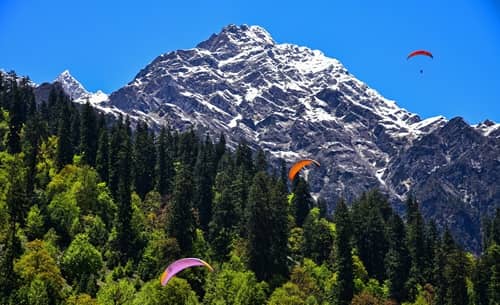
1. Himachal Pradesh Is Known as the “Land of the Gods”
Himachal Pradesh is often called Dev Bhoomi, meaning “Land of the Gods.”
The state is home to thousands of temples, many of them located in remote mountain areas. Local deities play a central role in village life, festivals, and decision-making. Faith here is not confined to temples—it is woven into daily routines, seasonal rituals, and community gatherings. Spirituality in Himachal feels lived, not displayed.
2. The State Has Extremely Diverse Geography
Himachal Pradesh may look uniform on a map, but geographically it is incredibly diverse.
The state includes lush green valleys like Kullu, cold deserts like Spiti, dense forests, glaciers, rivers, and high mountain passes. Altitudes range from about 350 meters to over 6,000 meters above sea level. This diversity creates drastic differences in climate, lifestyle, and agriculture within short distances.
3. Himachal Pradesh Has One of India’s Highest Literacy Rates
Himachal Pradesh consistently ranks among the top Indian states in literacy.
Education is taken seriously even in remote villages. Schools are widespread, and families strongly encourage learning for both boys and girls. This focus on education has helped the state maintain social stability, lower crime rates, and strong civic awareness.
4. Apple Farming Changed the State’s Economy
Himachal Pradesh is one of India’s largest producers of apples.
Before apple cultivation expanded, farming options in the mountains were limited. Apple orchards transformed rural livelihoods, providing steady income and employment. Even today, apples are deeply tied to the state’s identity, economy, and seasonal rhythms.
5. Shimla Was Once the Summer Capital of British India
Shimla, the capital of Himachal Pradesh, served as the summer capital of British India.
The British shifted their administration to Shimla during hot months to escape the plains’ heat. Many colonial-era buildings, churches, and institutions still stand today. Shimla’s layout, architecture, and old charm reflect this layered history.
6. Himachal Pradesh Has Strong Community-Based Living
Village life in Himachal Pradesh is deeply community-oriented.
People rely on each other during harsh winters, road closures, and natural challenges. Collective decision-making, shared festivals, and mutual support are common. This strong social fabric helps communities survive difficult conditions and maintain harmony.
7. The State Is a Major Hydropower Producer
Himachal Pradesh plays a significant role in India’s hydropower generation.
Fast-flowing rivers like the Sutlej, Beas, Ravi, and Chenab provide ideal conditions for hydroelectric projects. These projects contribute power to many parts of northern India, making Himachal an important energy state despite its small population.
8. Himachal Pradesh Preserves Ancient Tribal Cultures
Regions like Lahaul, Spiti, and Kinnaur are home to ancient tribal communities with unique customs, languages, and lifestyles.
These cultures have evolved to survive extreme cold, isolation, and high altitude. Festivals, clothing, food habits, and architecture reflect adaptation rather than luxury. Even today, these areas retain traditions that feel untouched by time.
9. Tourism Is Important but Carefully Balanced
Tourism is a major part of Himachal Pradesh’s economy, attracting visitors to places like Manali, Dharamshala, and Kasol.
At the same time, there is growing awareness about sustainable tourism. Locals increasingly emphasize protecting forests, limiting overdevelopment, and respecting ecological balance. Nature is not just an attraction here—it is a necessity.
10. Life in Himachal Is Closely Tied to Nature’s Rhythm
In Himachal Pradesh, seasons decide everything—work, food, travel, and festivals.
Winters bring isolation and reflection. Summers bring movement and trade. Roads open and close with snowfall. Crops follow mountain timing, not calendars. This deep connection to nature teaches patience, resilience, and respect for forces beyond human control.
Conclusion
Himachal Pradesh is not just a scenic destination—it is a way of life shaped by mountains, weather, and tradition. Its people live with awareness that nature gives and takes on its own terms. Simplicity here is not lack—it is balance.
In a fast-changing world, Himachal Pradesh stands as a reminder that progress does not always mean speed. Sometimes, it means staying rooted, respecting nature, and letting life unfold at its own pace.