 By Hemant Sharma
 Cells are tiny, invisible to the naked eye, and yet they are the foundation of all life. Every plant, animal, and human begins as a single cell. From that one unit comes skin, bone, brain, blood, and breath. You are not made of cells—you are made by them.
Despite their size, cells are incredibly busy, intelligent systems. They communicate, repair damage, make decisions, and even sacrifice themselves for the greater good of the body. These ten amazing facts show why cells are one of nature’s greatest inventions.
1. The Human Body Is a Living City of Cells
Your body contains around 30–40 trillion cells.
Each cell has a specific role—some carry oxygen, some fight infection, some send electrical signals, and others store energy. Together, they form tissues, organs, and systems that work in perfect coordination.
No government, machine, or computer network on Earth matches the efficiency of this cellular cooperation.
2. Cells Are Alive and Self-Sufficient
A single cell can be a complete living organism.
Bacteria and some single-celled organisms can eat, grow, reproduce, respond to their environment, and even adapt—all within one cell.
This means life doesn’t require complexity. It requires organization.
3. Cells Communicate Constantly
Cells are always talking to each other.
They use chemical signals, electrical impulses, and direct contact to share information. This communication controls heartbeat, digestion, immunity, healing, and even emotions.
If cells stop communicating properly, disease begins. Health is, at its core, good cellular conversation.
4. Cells Can Self-Destruct for the Greater Good
Cells can choose to die on purpose.
This process, called programmed cell death, removes damaged or dangerous cells. It prevents cancer, shapes organs during development, and protects the body from internal threats.
In other words, cells can sacrifice themselves to protect the whole—a powerful survival strategy.
5. Every Cell Carries the Same DNA—but Uses It Differently
Almost all cells contain identical DNA.
Yet a skin cell behaves nothing like a brain cell. That’s because cells turn different genes on and off depending on their role.
This selective gene use is what creates diversity from a single genetic blueprint.
6. Cells Are Tiny—but Extremely Complex
A single cell is more complex than many machines.
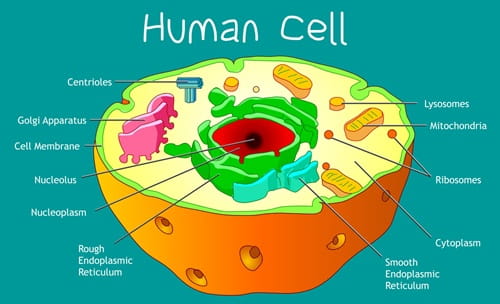
Inside it are power plants (mitochondria), factories (ribosomes), transport systems, waste disposal units, and security checkpoints—all working together.
If a human-built machine were as efficient as a cell, it would be considered a miracle of engineering.
7. Cells Can Remember Past Threats
Some cells have memory.
Immune cells remember viruses and bacteria they’ve encountered before. This memory allows the body to respond faster and stronger the next time.
Vaccines work by training this cellular memory without causing illness.
8. Cells Are Always Replacing Themselves
Your body is constantly renewing itself.
Skin cells replace every few weeks. Blood cells last a few months. Gut lining cells renew in days. Even bones slowly rebuild over time.
You are never the exact same physical person you were years ago—your cells have moved on.
9. Cells Can Sense Their Environment
Cells can detect temperature, pressure, chemicals, and damage.
They respond instantly by adjusting behavior—repairing tissue, releasing hormones, or triggering pain signals.
Pain itself begins at the cellular level as a warning system.
10. Life Begins as a Single Cell
Every human life starts as one cell.
From that single fertilized cell comes trillions of specialized cells arranged into a thinking, feeling, conscious being.
This transformation—from one cell to a full human—is one of the most extraordinary processes in nature.
Conclusion
Cells are not just building blocks of life—they are life. Intelligent, adaptive, cooperative, and resilient, they operate nonstop to keep organisms alive. Every breath you take, every thought you think, every wound you heal happens because cells are doing their job silently and perfectly.
The most amazing thing about cells is not how small they are—but how much responsibility they carry. Understanding cells is not just biology. It’s understanding the quiet miracle happening inside you every second.