 By Hemant Sharma
 As businesses and industries adapt to growing environmental concerns, the need for cleaner and more sustainable transportation solutions has become increasingly urgent. Traditional fleets powered by fossil fuels contribute significantly to air pollution and carbon emissions, making them a primary target for green innovation.
Electric mobility for fleet management represents a significant shift towards smarter, greener operations that not only reduce environmental impact but also improve efficiency and align with sustainability goals. Integrating electric vehicles (EVs) into fleets is no longer just an option but a critical step in transforming how businesses manage their transportation resources.
Let’s look at how electric mobility is reshaping fleet management and the key benefits it brings to organizations seeking more sustainable operations.
The Rise of Electric Mobility in Fleet Management
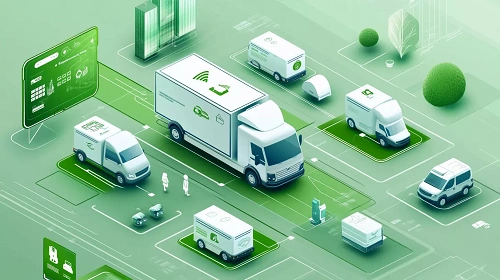
Electric mobility in fleet management involves replacing traditional Internal Combustion Engine (ICE) vehicles with Electric Vehicles (EVs). This transition helps reduce greenhouse gas emissions and cut fuel costs and maintenance needs, offering long-term operational savings. Businesses are increasingly adopting EVs to meet sustainability targets, reduce their carbon footprint, and comply with stricter environmental regulations.
Incorporating electric mobility into fleet management also allows companies to capitalize on new technologies such as advanced telematics and battery management systems.
These technologies help optimize vehicle performance, monitor energy consumption, and extend the lifespan of EVs, making them more cost-effective over time. Fleet managers can also benefit from real-time data on energy usage and vehicle health, which aids in making better decisions and improving overall operational efficiency.
The Environmental Impact of Electric Fleets
One of the most compelling reasons to embrace electric mobility is its positive environmental impact. Electric vehicles generate significantly fewer emissions than their conventional counterparts. Even when accounting for electricity production, EVs typically have a lower carbon footprint, especially when powered by renewable energy sources.
For businesses, transitioning to an electric fleet can help improve their sustainability credentials, which is increasingly important to consumers, investors, and regulatory bodies.
By deploying electric mobility solutions, businesses can reduce their environmental impact, improve air quality, and support efforts to combat climate change. This aligns with the growing global push towards cleaner, more sustainable transportation systems.
Cost Benefits and Operational Efficiency
While the upfront cost of electric mobility solutions might be higher than that of traditional vehicles, the long-term savings are substantial. EVs have fewer moving parts than combustion-engine vehicles, reducing the frequency of repairs and maintenance. With no need for oil changes, fewer brake repairs, and less engine wear, the maintenance costs for electric fleets are significantly lower.
Moreover, electric mobility offers fuel savings. Charging an EV is much cheaper than refueling a gasoline-powered vehicle, and the cost of electricity is typically more stable than fluctuating fuel prices. Fleet operators can also take advantage of incentives, rebates, and tax credits available for adopting green technologies, further reducing the financial burden of transitioning to electric vehicles.
The integration of electric mobility with smart fleet management systems enhances operational efficiency. Advanced telematics allow fleet managers to track vehicle performance, optimize routes, and reduce idle time, all while minimizing energy consumption.
The Role of Smart Technology in Electric Mobility Fleets
The integration of smart technology plays a crucial role in enhancing the effectiveness of electric mobility in fleet management. Using telematics, fleet managers can track the location, speed, battery status, and energy usage of each vehicle in real time. This data can then be analyzed to optimize routes, improve driving habits, and predict maintenance needs before issues arise.
Battery Management Systems (BMS) are also integral to electric mobility fleets, helping to monitor battery health and extend the life of the vehicle’s power source. By employing predictive analytics, fleet managers can ensure that vehicles are charged appropriately, minimizing downtime and enhancing the reliability of operations.
Furthermore, charging infrastructure management is critical in supporting electric mobility. By integrating smart charging stations and using data analytics, fleet operators can manage charging schedules efficiently, reduce energy costs, and ensure that vehicles are always ready for operation.
The Future of Electric Mobility in Fleet Operations
As electric mobility continues to evolve, we can expect to see even greater innovations that will further enhance the functionality of electric fleets. Improvements in battery technology, such as solid-state batteries, promise to increase range, reduce charging times, and improve overall vehicle performance.
As regulatory pressure increases and consumer demand for sustainable products and services rises, adopting electric mobility will no longer be a choice but a necessity. Fleet managers who invest in EVs and associated technologies today will be well-positioned to lead in the future, benefiting from cost savings and a stronger environmental profile.
With the right collaboration, businesses can optimize their fleets for efficiency, sustainability, and cost-effectiveness, positioning themselves as leaders in the growing electric mobility sector.