 By Hemant Sharma
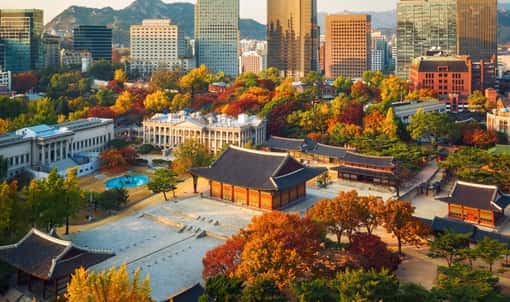
 South Korea is a country where ancient traditions and futuristic innovation live side by side. One moment you’re walking past a 600-year-old palace, and the next you’re surrounded by neon lights, high-speed internet, and people paying for coffee with their phones. Few countries balance old and new as smoothly as South Korea does.
Beyond K-pop, K-dramas, and Korean food trends lies a society shaped by history, discipline, creativity, and speed. South Korea is small in size but huge in influence. These ten fun facts reveal why this country feels so unique, energetic, and surprising to the rest of the world.
1. South Korea Has One of the Fastest Internets in the World
Speed is a way of life in South Korea.
The country consistently ranks among the top nations for internet speed and connectivity. High-speed broadband is available even in small towns and rural areas. Online gaming, streaming, remote work, and digital payments are part of everyday life.
This focus on digital infrastructure helped South Korea grow rapidly after the Korean War and become a global technology leader. In many ways, the country built its future through cables, screens, and innovation.
2. Age Works Differently in Korea
Traditionally, Koreans count age differently from many other countries.
At birth, a baby is considered one year old, and everyone gets a year older together on New Year’s Day. This means people can be one or even two years “older” in Korean age compared to international age.
While modern South Korea increasingly uses international age for legal and global reasons, the traditional system still appears in culture, language, and everyday conversations.
3. South Korea Is Obsessed with Education
Education is taken extremely seriously in South Korea.
Students often attend school during the day and private academies, called hagwons, in the evening. Exams play a major role in shaping academic and career paths, especially the national college entrance exam.
This intense focus on education comes from historical scarcity. For generations, knowledge was seen as the surest path to stability and success, and that mindset remains deeply rooted.
4. Korean Food Is Designed to Be Shared
Korean meals are rarely individual plates.
Most meals involve many small side dishes called banchan, placed in the center of the table and shared by everyone. Even main dishes like barbecue or stews are often cooked and eaten together.
This shared food culture reflects Korean values of community and togetherness. Eating is not just about filling the stomach—it’s about bonding.
5. South Korea Has a Unique Beauty Culture
South Korea is a global trendsetter in beauty and skincare.
The country is known for its multi-step skincare routines, advanced cosmetic products, and constant innovation in beauty technology. Appearance is closely linked to confidence and social presentation.
This culture has influenced global beauty standards, with Korean products and routines now popular worldwide. Skincare here is seen as self-care, not vanity.
6. Bowing Is a Big Part of Daily Life
Bowing is deeply woven into Korean etiquette.
People bow to show respect, gratitude, apology, or greeting. The depth and length of the bow change depending on the situation and the relationship between people.
Even in modern business environments, bowing remains important. It reflects a society that values respect, hierarchy, and politeness in everyday interactions.
7. South Korea Has Mandatory Military Service
All able-bodied South Korean men must complete military service.
This requirement exists because the Korean War never officially ended, and tensions with North Korea remain. Service usually lasts around 18–21 months.
Military service strongly shapes male social life, career planning, and shared identity. It is often seen as a duty rather than a choice, and it influences discipline and teamwork in broader society.
8. Seoul Never Really Sleeps
Seoul is famous for its nightlife.
Cafés, restaurants, karaoke rooms, and convenience stores stay open late into the night. It’s normal to see people eating, studying, or shopping at 2 a.m.
This late-night culture reflects long working hours and a fast-paced lifestyle. When the day doesn’t slow down, neither does the city.
9. South Korea Turned Painful History into Global Culture
South Korea’s modern success came after immense hardship.
The Korean War left the country devastated and poor. Within a few decades, South Korea transformed into a major economic and cultural force. Music, films, fashion, and technology became tools of soft power.
This rise wasn’t accidental—it was built on resilience, discipline, and creative expression. Korean culture today carries both pride and memory.
10. Jeju Island Feels Like a Different World
Jeju Island is unlike the rest of the country.
Known for volcanic landscapes, waterfalls, and beaches, Jeju has its own dialect, traditions, and even a famous group of female free divers called haenyeo. Life here is slower and more connected to nature.
For many Koreans, Jeju represents escape, healing, and simplicity—far from the pressure of city life.
Conclusion
South Korea is a country of contrasts that somehow work together. Ancient palaces stand beside glass skyscrapers. Strict discipline fuels creative freedom. Community values coexist with intense ambition. It’s a place that moves fast but remembers deeply.
What makes South Korea fun to learn about is not just its pop culture or technology, but how thoughtfully it balances past and future. Every custom, habit, and innovation is shaped by history, survival, and vision.
The more you learn about South Korea, the clearer it becomes: this is not just a country that followed global trends—it’s one that learned how to set them.