 By Hemant Sharma
 Assam sits quietly in the northeastern corner of India, yet its importance is anything but small. This is a land shaped by mighty rivers, fertile soil, deep forests, and a long, layered history. Assam has seen ancient kingdoms rise and fall, welcomed traders and travelers from distant lands, and preserved traditions that still feel alive today.
What sets Assam apart is its natural richness and cultural depth. Tea gardens stretch to the horizon, wildlife roams freely in protected forests, and festivals mark the rhythm of everyday life. Many people know Assam only for tea, but the state offers far more than that. These ten facts reveal why Assam holds a unique place in India’s story.
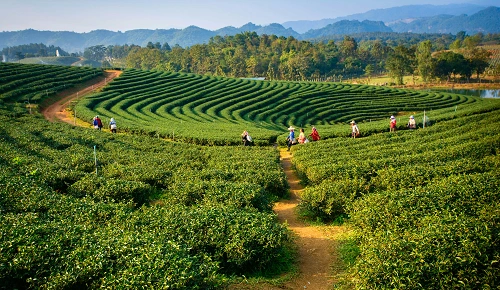
1. Assam Is the World’s Largest Tea-Producing Region
Assam is globally famous for its tea, and for good reason. The state produces some of the strongest and most distinctive black tea in the world. The humid climate, heavy rainfall, and fertile Brahmaputra valley create perfect conditions for tea cultivation.
Assam tea is known for its bold flavor and deep color. It forms the base of many popular tea blends consumed across continents. Tea gardens are not just workplaces here; they shape the economy, culture, and even the landscape of the state.
2. The Brahmaputra Is Assam’s Lifeline
The Brahmaputra River flows like a giant artery through Assam. It supports agriculture, fishing, transportation, and daily life for millions of people.
At the same time, the river is unpredictable. Annual floods enrich the soil but also cause destruction. Over centuries, people in Assam have learned to live with the river rather than fight it. Their homes, crops, and lifestyles reflect this long relationship with water.
3. Assam Is Home to the One-Horned Rhinoceros
Assam plays a crucial role in global wildlife conservation. Kaziranga National Park, a UNESCO World Heritage Site, protects more than two-thirds of the world’s population of the one-horned rhinoceros.
Once close to extinction, this animal survived largely because of strict protection measures in Assam. The park is also home to tigers, elephants, wild buffalo, and hundreds of bird species, making it one of India’s richest wildlife regions.
4. Majuli Is One of the World’s Largest River Islands
Majuli, located on the Brahmaputra, is one of the largest inhabited river islands on Earth. It is not just a geographical wonder but also a cultural heartland.
Majuli is known for its Vaishnavite monasteries, called satras, which preserve classical dance, music, and manuscripts. Despite facing erosion and shrinking land size, the island continues to protect Assam’s spiritual and artistic traditions.
5. Assam Has a History of Powerful Ancient Kingdoms
Assam was once known as Kamarupa, an ancient kingdom mentioned in early Indian texts. It was ruled by strong dynasties that resisted foreign invasions and maintained independent identities for centuries.
Later, the Ahom dynasty ruled Assam for nearly 600 years. Their administrative systems, military strategies, and cultural contributions still influence Assamese society today.
6. Bihu Reflects the Soul of Assam
Bihu is not just a festival; it is the heartbeat of Assam. Celebrated in three forms throughout the year, Bihu marks agricultural cycles, seasonal change, and community joy.
Music, dance, traditional clothing, and local food come together during Bihu celebrations. People from all backgrounds participate, making it a powerful symbol of unity and shared identity in the state.
7. Assam Is One of India’s Most Biodiverse States
Despite its modest size, Assam has remarkable biodiversity. It lies at the crossroads of the Indian subcontinent and Southeast Asia, allowing species from different regions to coexist.
Tropical forests, wetlands, grasslands, and hills support rare plants, birds, and animals. Many species found here do not exist anywhere else in India, making Assam ecologically priceless.
8. The State Has Strong Tribal and Ethnic Diversity
Assam is home to numerous tribes and ethnic communities, each with its own language, customs, and traditions. Groups like the Bodo, Mishing, Karbi, and Dimasa add to the state’s cultural richness.
This diversity influences food, clothing, festivals, and folklore. While differences exist, coexistence and cultural exchange have been part of Assam’s social fabric for generations.
9. Assam Played a Strategic Role During British Rule
During British colonial times, Assam became strategically important because of its tea, oil, and location near international borders. The British introduced railways, plantations, and administrative systems that changed the region permanently.
Oil was first discovered in Assam in the late 19th century, making it one of Asia’s earliest oil-producing regions. This discovery added industrial significance to the state.
10. Assam’s Culture Is Deeply Connected to Nature
Life in Assam follows natural rhythms. Agriculture depends on monsoon cycles. Festivals align with harvests. Food habits reflect what grows locally, such as rice, fish, and leafy greens.
This close bond with nature shapes the Assamese mindset. Respect for land, rivers, forests, and animals is not just tradition—it is necessity, passed down through lived experience.
Conclusion
Assam is a land where nature and history speak together. From tea gardens and wildlife reserves to ancient monasteries and vibrant festivals, every part of the state carries meaning.
Understanding Assam means looking beyond maps and stereotypes. It means seeing how people adapt to powerful rivers, protect rare animals, preserve old traditions, and still move forward. Quiet in tone but rich in substance, Assam remains one of India’s most remarkable regions.