 By Hemant Sharma
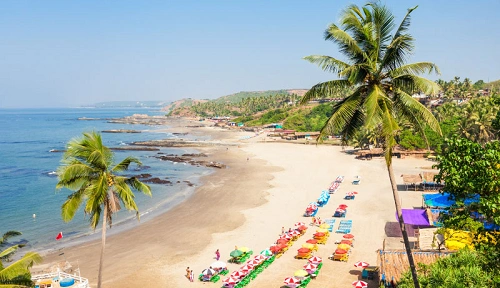
 Goa may be India’s smallest state by area, but it carries a personality far larger than its size. For many people, Goa means beaches, parties, and holidays. That image isn’t wrong—but it’s incomplete. Beneath the sand and sunshine lies a place shaped by centuries of history, global connections, and a lifestyle that blends East and West in a way no other Indian state does.
Goa moves at its own rhythm. Mornings are slow, conversations are long, and life feels less rushed. This calm pace, combined with rich culture and natural beauty, is what truly defines the state. These ten facts help paint a fuller picture of what makes Goa unique.
1. Goa Was a Portuguese Colony for Over 450 Years
Goa was under Portuguese rule from 1510 until 1961. This long colonial period left a deep mark on the state’s culture, architecture, food, and even surnames.
Unlike most of India, Goa followed European laws, education systems, and lifestyles for centuries. Even today, Portuguese influence is visible in old churches, pastel-colored houses, and family names like Fernandes, D’Souza, and Pereira. This long connection with Europe makes Goa culturally distinct from the rest of the country.
2. It Has Some of the Oldest Churches in Asia
Goa is home to some of Asia’s oldest and most important churches. The Basilica of Bom Jesus, a UNESCO World Heritage Site, holds the mortal remains of St. Francis Xavier and attracts visitors from around the world.
These churches are not just religious places. They are historical records built from laterite stone, showing how European architecture adapted to Indian climate and materials. They tell stories of faith, power, and cultural exchange.
3. Goa Is India’s Smallest State by Area
Goa is the smallest Indian state in terms of land area, yet it never feels cramped. The coastline, forests, rivers, and villages are spread out in a balanced way.
Because of its size, travel within Goa is easy. Beaches, hills, waterfalls, and heritage towns are often just an hour apart. This compact nature makes Goa feel personal and accessible rather than overwhelming.
4. The State Has More Than Just Beaches
While beaches made Goa famous, nearly one-third of the state is covered with forests. The Western Ghats pass through eastern Goa, bringing rich biodiversity and cooler climates.
Places like Mollem National Park and Bhagwan Mahavir Wildlife Sanctuary show a completely different side of Goa—quiet, green, and untouched. Dudhsagar Waterfalls, one of India’s tallest waterfalls, lies hidden in this forested region.
5. Goa Has a Very High Literacy Rate
Goa consistently ranks among the top states in India for literacy. Education has long been valued here, partly due to early missionary schools and later government focus on schooling.
This emphasis on education is reflected in social awareness, political participation, and openness to new ideas. Many Goans are multilingual, comfortably speaking Konkani, English, Hindi, and sometimes Portuguese.
6. Konkani Is the Heart of Goan Identity
Konkani is the official language of Goa and plays a major role in preserving local culture. Songs, folk tales, proverbs, and everyday conversations keep the language alive.
Although many languages are spoken in Goa, Konkani acts as a cultural glue. It connects people across religions and communities, reflecting shared roots and history.
7. Goa’s Food Is Unlike Anywhere Else in India
Goan cuisine stands apart because of its unique blend of Indian spices and Portuguese techniques. Coconut, vinegar, seafood, and slow cooking define many dishes.
Popular foods like fish curry, vindaloo, and bebinca show how foreign influences merged naturally with local ingredients. Food in Goa is not just about taste—it’s about balance and tradition.
8. The Goa Carnival Is One of a Kind
The Goa Carnival is one of India’s most colorful and unusual festivals. Introduced during Portuguese rule, it is celebrated with parades, music, dance, and street performances.
For a few days, social boundaries disappear. People dress freely, laugh loudly, and celebrate life itself. The carnival reflects Goa’s relaxed attitude and its comfort with joy and expression.
9. Goa Has a Strong Village Community System
Despite tourism and modernization, village life remains strong in Goa. Many villages still follow the communidade system, an old form of collective land ownership.
These systems promote shared responsibility and decision-making. Festivals, repairs, and social issues are often handled together. This sense of community is one reason Goan society feels closely connected.
10. Goa’s Lifestyle Is About Balance, Not Speed
Goa is often described as laid-back, but this is not laziness. It’s a conscious lifestyle choice. Work, rest, family, and celebration all have their place.
People take time to eat, talk, and enjoy their surroundings. This balanced approach to life is one of Goa’s biggest lessons to the outside world—progress doesn’t always mean rushing.
Conclusion
Goa is far more than a tourist destination. It is a place shaped by history, nature, and a deep sense of self. From Portuguese churches to Konkani songs, from forest waterfalls to quiet village roads, everything here tells a story of blending rather than breaking.
Understanding Goa means seeing it not just as a holiday spot, but as a living culture that values freedom, community, and balance. Small in size, rich in soul—Goa remains one of India’s most distinctive states.