 By Hemant Sharma
 Lord Krishna is one of the most loved and complex figures in Indian tradition. He is worshipped as a god, remembered as a king, admired as a philosopher, and adored as a playful child. Few figures in world mythology carry so many roles at once—and make them feel natural.
Krishna’s stories are not just about miracles or battles. They talk about life as it is: love and loss, duty and doubt, joy and struggle. That is why his presence feels timeless. These ten facts explore different sides of Lord Krishna and help explain why he continues to matter, even today.
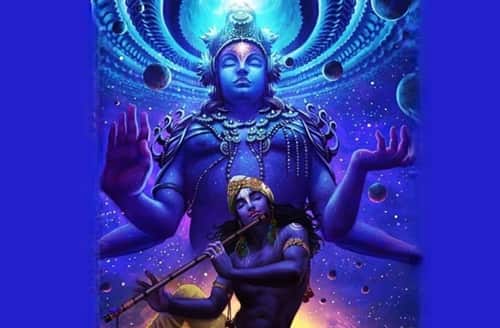
1. Lord Krishna Is the Eighth Avatar of Vishnu
Krishna is believed to be the eighth avatar of Lord Vishnu, born to restore balance when injustice ruled the world. His birth took place in Mathura during the reign of the tyrant Kansa.
Unlike many divine figures who appear fully grown, Krishna’s life unfolds from infancy to adulthood. This long life journey allows people to connect with him at every stage—child, friend, guide, and ruler.
2. His Birth Was Surrounded by Danger
Krishna was born in a prison cell. Kansa had been warned that Devaki’s eighth son would be his destroyer. As soon as Krishna was born, his father Vasudeva carried him across the flooded Yamuna River to safety.
This dramatic beginning sets the tone for Krishna’s life. From the very first moment, danger followed him, yet he survived—not through power alone, but through timing, intelligence, and destiny.
3. Krishna Was Known for His Childhood Mischief
As a child in Gokul and Vrindavan, Krishna was famous for stealing butter, breaking pots, and teasing villagers. These stories may sound playful, but they carry deeper meaning.
They show a god who is approachable and human-like. Krishna laughs, makes mistakes, and enjoys life. This is one reason children and adults alike feel close to him—not distant or fearful.
4. He Lifted Govardhan Hill, Not a Weapon
One of Krishna’s most famous acts is lifting Govardhan Hill to protect villagers from heavy rains sent by Indra. What’s striking is that he didn’t fight with weapons. He used protection instead of destruction.
The story teaches that true power lies in responsibility and care, not ego. Krishna didn’t challenge Indra for dominance—he reminded him of humility.
5. Radha Represents Krishna’s Spiritual Love
Krishna’s bond with Radha is not described as ordinary romance. It symbolizes pure devotion and soul-level connection. In many traditions, Radha represents the human soul, while Krishna represents the divine.
Their love stories are filled with longing, joy, separation, and reunion—emotions that feel deeply human. This is why poets and saints return to Radha-Krishna again and again.
6. Krishna Rarely Fought Directly in the Mahabharata
In the Mahabharata war, Krishna did not lift weapons. Instead, he became Arjuna’s charioteer. This role choice is important.
Krishna guides, advises, and supports—but lets humans make their own choices. He doesn’t remove free will. Even when he knows the outcome, he allows events to unfold through human action.
7. The Bhagavad Gita Came From a Battlefield
The Bhagavad Gita was spoken by Krishna in the middle of a battlefield, not in a peaceful forest or temple. Arjuna was confused, fearful, and morally torn.
Krishna didn’t give him simple answers. He spoke about duty, action without attachment, devotion, and self-knowledge. The message was clear: life is complex, and escaping responsibility is not the solution.
8. Krishna Used Strategy More Than Strength
Krishna is often called a master strategist. Many of his actions—both in childhood and during the Mahabharata—were based on intelligence rather than force.
He understood people deeply: their fears, pride, and weaknesses. Instead of overpowering enemies, he often outthought them. This makes Krishna a symbol of wisdom in action, not blind power.
9. He Lived Like a King, Yet Remained Detached
Krishna ruled Dwarka as a king, surrounded by wealth, family, and power. Yet scriptures repeatedly show that he was emotionally detached from possessions.
When Dwarka was eventually destroyed, Krishna accepted it calmly. His life teaches that involvement in the world is fine—but attachment can lead to suffering.
10. Krishna’s Death Was Quiet, Not Glorious
Unlike many heroes, Krishna did not die in battle. He was accidentally struck by a hunter’s arrow while meditating.
This ending reminds us that even divine incarnations follow the laws of time. Krishna’s departure was simple and silent, reinforcing one of his core teachings: nothing in the material world is permanent.
Conclusion
Lord Krishna cannot be understood through one story or one role. He is playful yet serious, gentle yet firm, human yet divine. That balance is what makes him timeless.
Krishna doesn’t ask people to escape life. He asks them to live it fully—with awareness, responsibility, and inner freedom. And that is why, thousands of years later, his stories still feel relevant, personal, and alive.