 By Hemant Sharma
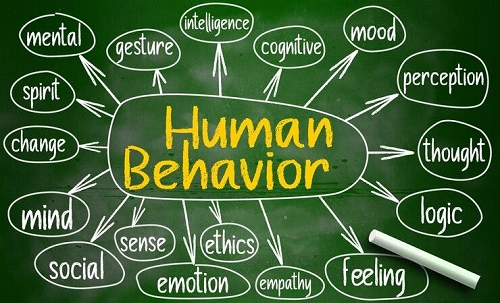
 Human behavior is far more complex than it appears on the surface. Every action we take, every word we speak, and every decision we make is influenced by hidden psychological processes working silently in the background. Most of the time, we believe we are acting logically and consciously, but psychology reveals a different truth. A large part of human behavior is driven by emotions, habits, subconscious beliefs, and social influence.
Understanding human behavior is not just useful for psychologists. It helps in daily life — in relationships, communication, work, decision-making, and self-growth. When we understand why people behave in certain ways, we become more patient, less judgmental, and more aware of our own actions.
Here is the psychology facts about human behavior:
1. Most Human Decisions Are Emotion-Based, Not Logical
People like to think they are rational decision-makers. In reality, psychology shows that emotions play a much bigger role than logic. The emotional part of the brain often reacts first, and the logical part comes later to justify the choice.
For example, people often buy things because they feel good about them, not because they need them. Later, they create logical reasons to defend the decision. This emotional-first process explains impulse buying, relationship choices, and even career decisions.
2. The Brain Looks for Meaning, Even Where None Exists
The human brain hates randomness. It constantly tries to find patterns and meaning in events, even when there is no real connection.
This is why people believe in lucky numbers, superstitions, signs, or fate. When two events happen close together, the brain assumes they are linked. This behavior helped early humans survive by spotting danger, but today it often leads to false beliefs.
3. First Impressions Are Formed Within Seconds
Psychology research shows that people form opinions about others within the first few seconds of meeting them. These impressions are based on body language, facial expressions, posture, clothing, and tone of voice.
Once a first impression is formed, the brain tries to protect it. Even when new information appears, people often ignore it to maintain their original judgment. This is why first impressions are difficult to change.
4. Silence Makes the Brain Uncomfortable
Silence during conversations feels awkward for most people. This happens because humans are social beings, and the brain expects interaction and feedback.
When silence occurs, the brain interprets it as tension, rejection, or danger. That’s why people often talk unnecessarily, laugh nervously, or change topics just to fill quiet moments.
5. Negative Experiences Have a Stronger Impact Than Positive Ones
The human brain gives more importance to negative experiences than positive ones. This is called negativity bias.
One insult can hurt more than ten compliments can heal. This bias developed as a survival mechanism — remembering danger helped humans avoid threats. However, in modern life, it often leads to overthinking, anxiety, and low self-esteem.
6. Multitasking Is a Myth
Many people believe they are good at multitasking. Psychology proves otherwise. The brain cannot focus on multiple tasks at once. It simply switches rapidly between them.
This constant switching reduces concentration, increases errors, and causes mental exhaustion. Doing one task with full attention is far more effective than doing many tasks poorly.
7. Actions Matter More Than Words
People trust behavior more than promises. The brain naturally gives more weight to what someone does rather than what they say.
This is why repeated actions build trust and inconsistency destroys it. Words can be forgotten, but actions create lasting impressions in the human mind.
8. Humans Copy Each Other Without Realizing It
People often mirror body language, expressions, and speech patterns of those they feel connected to. This behavior happens subconsciously.
Mirroring builds comfort, trust, and emotional bonding. You are more likely to mirror someone you like or feel safe around, and less likely to mirror someone you dislike.
9. Lack of Sleep Changes Personality and Behavior
Sleep deprivation has a serious impact on behavior. When the brain doesn’t get enough rest, emotional control weakens.
People become more irritable, impulsive, emotional, and less patient. Decision-making becomes poor, and small problems feel overwhelming. Many emotional reactions are not personality flaws — they are signs of exhaustion.
10. The Brain Resists Change, Even When Change Is Good
The human brain prefers familiarity because it feels safe. Even positive change creates uncertainty, which the brain interprets as risk.
This is why people stay in unhealthy habits, toxic relationships, or unfulfilling jobs. The fear of the unknown often feels stronger than the pain of staying the same.
11. People Believe Information That Matches Their Beliefs
Humans naturally accept information that supports what they already believe and reject information that challenges it. This behavior is called confirmation bias.
It affects opinions, politics, relationships, and self-image. The brain protects beliefs because changing them feels threatening to identity.
12. Feeling Heard Is a Psychological Need
When someone listens without interrupting or judging, the brain releases feelings of safety and validation.
Being listened to makes people feel valued and respected. This is why good listeners are often trusted deeply, even if they offer little advice.
13. People Are More Honest When Mentally Tired
When the brain is tired, it has less energy to filter thoughts and emotions.
This is why people often speak honestly late at night, during emotional moments, or after long days. Fatigue lowers mental defenses.
14. Confidence Is Often Mistaken for Intelligence
Psychological studies show that confident people are often perceived as more intelligent, capable, and trustworthy.
This happens even when actual skill levels are equal. Confidence influences perception more than knowledge in many social situations.
15. Social Rejection Activates Physical Pain Centers
The brain processes emotional pain and physical pain in similar areas.
Rejection, loneliness, and exclusion can hurt as much as physical injury. This proves that social connection is a basic human need, not a luxury.
16. People Remember How You Made Them Feel
The brain may forget exact words, but it remembers emotions clearly.
How someone made you feel during an interaction matters more than what was said. Emotional memory shapes long-term opinions and relationships.
17. The Brain Avoids Responsibility by Blaming Circumstances
When things go wrong, people often blame external factors. When things go right, they credit themselves.
This self-protective behavior helps preserve self-esteem but also prevents personal growth if overused.
18. Compliments Feel Stronger When Unexpected
The brain reacts more positively to genuine, unexpected appreciation than planned praise.
Surprise compliments activate reward centers more deeply, making them more memorable and emotionally powerful.
19. Humans Are Influenced by Group Behavior
People often follow group behavior, even when they disagree internally.
The brain prefers social acceptance over being right. This explains peer pressure and conformity.
20. Awareness Changes Behavior
Once people become aware of their habits, patterns, and emotional triggers, behavior begins to change naturally.
Self-awareness is one of the strongest tools for personal growth and emotional intelligence.
Why Understanding Human Behavior Matters
Understanding psychology helps reduce misunderstandings, emotional conflicts, and unrealistic expectations. It allows better communication, stronger relationships, and healthier self-control.
Most human behavior is not intentional or malicious — it is psychological.
Conclusion
Human behavior is shaped by emotions, instincts, habits, and social influence more than pure logic. These psychology facts reveal how much of our daily life is controlled by the subconscious mind. When we understand these patterns, we stop reacting blindly and start responding wisely. Awareness doesn’t change everything overnight, but it changes everything eventually.