 By Hemant Sharma
 If under-eye lines bother you, choosing the right under-eye wrinkle treatment makes all the difference. The area under the eyes is thin, delicate, and shows aging early, so a careful, targeted plan with a qualified doctor is essential. This guide explains effective options, a clear decision pathway, and how to pick a good dermatologist in Bangalore who delivers safe, natural results.
Why accurate assessment matters
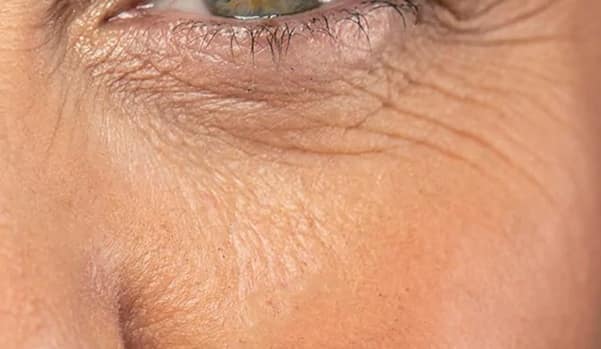
Under-eye lines arise from different causes: skin thinning, volume loss (tear trough), pigmentation, or dynamic lines from facial muscle movement. Treating the wrong cause wastes time and money. A focused assessment identifies the primary problem and creates a stepwise plan that reduces risk and sets realistic expectations.
Real-world example
Many patients notice visible improvement after 1–3 office sessions and within 8–12 weeks when starting a topical regimen. For an effective under-eye wrinkle treatment plan, combining approaches often accelerates results.
What your doctor should check
- Age and skin type.
- Photo history (sleep, sun exposure, makeup use).
- Degree of volume loss vs. skin laxity.
- Previous procedures and medications (blood thinners, isotretinoin).
- Desired downtime and budget.
Common treatment options — what they do and who they suit
First Line, Topical therapies
- What: Retinoids, peptides, vitamin C, hyaluronic acid serums.
- Who: Early fine lines and surface texture issues.
- Timeline: Expect visible change in 8–12 weeks with consistent use.
- Pros/Cons: Low cost and no downtime; results are gradual.
Clinic procedures
- Micro needling with PRP: Stimulates collagen; typically, 3 sessions, 4–6 weeks apart.
- Gentle chemical peels: Improve pigmentation and superficial lines; use low-concentration formulas near eyes.
- Non-ablative fractional lasers: Offer tightening with modest downtime.
- Who: Patients wanting meaningful change without surgery.
Injectable
- Hyaluronic acid fillers: Restore tear-trough volume; immediate contouring with maintenance often at 9–18 months.
- Botulinum toxin: Best for dynamic crow’s-feet; reduces muscle-related lines when placed precisely.
- Safety: Any injection near the eye must be done by an experienced clinician.
Surgical option
Lower eyelid blepharoplasty removes excess skin or repositions fat pads for long-term correction. Recovery is typically 1–2 weeks; discuss scarring, downtime, and sleep-position changes with your surgeon.
A Practical 5-Step Decision Guide
- Understand the real problem: Check whether the issue is thin skin, loss of volume, pigmentation, or lines caused by facial movements, because each one needs a different solution.
- Start with simple treatments: Begin with creams and basic skin care, then move to clinic procedures, injections, or surgery only if needed.
- Choose based on recovery time: Pick a treatment that fits your routine. Injections usually have little to no downtime, while lasers and surgery need more healing time.
- Use a combination if required: Mixing treatments such as injections with laser or micro needling with medical skincare often gives better and longer-lasting results.
- Check results before deciding: Look at before-and-after photos of similar cases and ask the doctor what level of improvement you can realistically expect.
Step-by-step example plans
- Mild lines + pigment: Topical retinoid + vitamin C for 8–12 weeks, reassess, add 1 peel or micro needling session if needed.
- Hollowing tear-trough: Evaluate filler suitability → hyaluronic acid filler in 1 session with a 2-week follow-up; maintenance 12–18 months.
- Advanced laxity / fat pads: Consult for blepharoplasty with clear recovery expectations.
Questions to ask at consultation
- What exactly is causing my under-eye lines?
- Which treatment do you recommend first — and why?
- How many sessions and what is the total cost?
- What are the realistic results and possible risks?
- What is the aftercare protocol and follow-up schedule?
Choosing a good dermatologist in Bangalore
Finding a good dermatologist in Bangalore means checking qualifications, documented outcomes, and clinic safety standards. Look for:
- Board registration and medical qualifications.
- Clinic accreditation and written treatment protocols.
- Before–after images for the specific procedure.
- Transparent pricing, written consent, and clear post-procedure follow-up.
- Patient reviews and a reliable clinic contact for complications.
Aftercare
- Avoid heavy rubbing and sun exposure for 2 weeks.
- Use broad-spectrum sunscreen daily (SPF 30+).
- Avoid NSAIDs for 48–72 hours if advised by your doctor.
- Sleep slightly elevated for 3–5 nights after fillers or surgery.
- Report unusual pain, vision changes, or prolonged swelling immediately.
Safety and expectations
Realistic expectations are critical: under eye wrinkle treatment improves appearance incrementally and preserves natural expression. Start with less invasive options if cost or recovery is a concern, and progress only when you see measurable benefit.
Conclusion
Book a focused assessment, use the decision guide above, and ask the consultation questions. Verify before–after images and clinic safety procedures. With a clear plan and a good dermatologist in Bangalore, under eye wrinkle treatment can be safe, natural-looking, and durable.