 By Hemant Sharma
 When you walk into a room with a low ceiling, it can feel as if the space is pressing down on you, making even a large floor plan feel cramped and uncomfortable. Most people try to fix this by painting the walls a bright white or using very small furniture, but these tricks only go so far when the wall’s actual height is the real problem. It is a common struggle for people living in modern apartments, where every inch of space matters and ceilings are often lower than in an old house. There is a simple logic to how our eyes perceive a room: the brain follows lines and patterns to determine how big a space actually is at any given moment. If you can give the eyes a reason to look up toward the ceiling rather than across the floor, you can change the whole feel of the area without moving a single wall or spending a fortune on a major remodel.
The Power Of Long Straight Lines In A Small Space
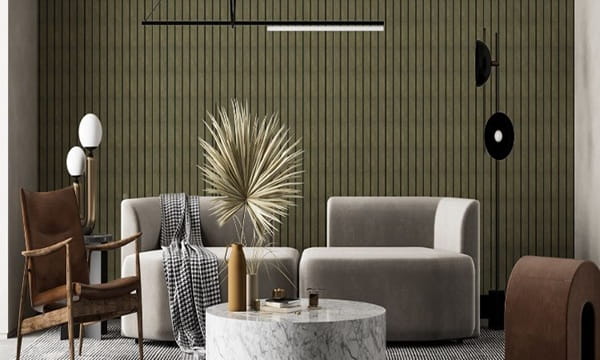
One of the most effective ways to create a sense of height is to use vertical elements that stretch from the floor to the top of the wall. Using louvers is a great way to do this because the slats’ repeating pattern creates a series of parallel lines that naturally guide the gaze upward. The shadows and the light that fall between the slats add a sense of depth that a flat painted wall just cannot provide on its own. It is a realistic observation that a textured wall looks more interesting and expensive while also doing the hard work of tricking the mind into thinking the ceiling is a few inches higher than it really is. Brands like Advance Laminates offer these panels in many finishes, allowing you to pick a style that matches your existing decor while still enjoying the added height. When a homeowner wants a feature wall in a bedroom or living room, but is worried that the room is too small for a bold design.
Choosing The Right Colours And Textures For A Taller Look
If you want the room to feel as light and airy as possible, it is usually a good idea to pick a finish that is not too dark because heavy colours can sometimes make a wall feel like it is closing in. A light wood grain or a soft neutral tone will keep the space feeling open while still providing those vertical lines that you need to lift the gaze. Small repetitions of these vertical patterns in other parts of the room, like a tall floor lamp or a long set of curtains, can reinforce the effect and make the whole design feel like a cohesive, well-thought-out plan. It is a simple way to create a sense of order in a busy room, and it helps hide those small imperfections on the wall surface that might be visible with a flat coat of paint. You might even find that these vertical lines work well when paired with a clean bathroom PVC ceiling, creating a look that feels fresh and modern from top to bottom. Many people find that once they add a bit of texture to their walls, they need fewer pieces of art or extra decorations because the wall itself becomes the main point of interest.
Practical Tips For A Smooth And Clean Installation
When you plan to put these panels up, consider the room’s lighting, as the way the light hits the slats will affect the texture throughout the day. If you have a window nearby, the shadows will move as the sun goes down, adding a nice bit of movement and life to the room and keeping it from feeling static or boring. It is better to run the panels from the baseboard to the ceiling without leaving a gap, because any break in the line will stop the eyes and ruin the illusion of height you are trying to create. Taking a few minutes to carefully measure and plan where the seams will fall will make the final result look much more professional and clean for a very long time.