 By Hemant Sharma
 Cataract is a common eye condition. It happens when the natural lens of the eye becomes cloudy. This leads to blurred vision, glare, and difficulty seeing clearly. Cataract surgery removes this cloudy lens and replaces it with an artificial lens. This artificial lens is called an intraocular lens, or IOL.
The cataract lens price is an important part of the overall surgery cost. Many patients are surprised to see how much the price can vary. The reason is simple. Cataract lenses are not all the same. Several factors influence the eye cataract lens cost and the final IOL lens price you pay.
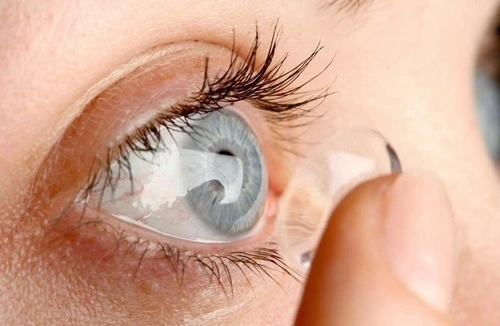
7 Factors That Influence the Cataract Lens Price
Type of Cataract Lens
The type of IOL used is the primary driver of cataract lens price.
A monofocal lens has a single focal point. It is designed to give clear vision at a distance, usually far. The optical design is straightforward. Manufacturing is standardised and large-scale. These lenses meet basic vision needs and keep the eye cataract lens cost low.
A multifocal lens has multiple focal zones built into the lens surface. Each zone bends light differently, so the eye can see at near, intermediate, and distance ranges. Designing these zones requires extreme optical precision. Even small errors can cause glare or halos. This complexity increases production cost and raises the IOL lenses price.
An extended depth of focus lens (EDOF) does not use distinct focal zones. Instead, it stretches the focus range. This requires advanced wavefront engineering. These lenses aim to improve functional vision while reducing visual disturbances. The technology involved directly affects the cataract lens price.
A toric lens corrects astigmatism. It must be aligned to a specific axis inside the eye. The power and axis are chosen after detailed corneal measurements. This individualised design increases planning and manufacturing costs. As a result, the eye cataract lens cost is higher than non-toric lenses.
Lens Material and Design
The material of the cataract lens influences both performance and price. Modern IOLs are usually made from acrylic. High-grade hydrophobic acrylic is preferred because it remains stable inside the eye, resists clouding, and maintains clarity for decades. These materials undergo extensive biocompatibility testing.
The structural design also matters. Edge thickness, optic size, and haptic flexibility affect how the lens sits inside the eye. A well-designed lens stays centred and reduces post-surgery complications. Achieving this balance requires precision manufacturing, which increases the cataract lens price.
Light Control
An important aspect of cataract lenses is how well they control light entering your eye. A basic and low-quality lens may not be able to control it properly. SLight scattering is a possibility. Even if it is minimal, there is a chance that you may notice glare or halos around lights. Seeing in low-light conditions can become very difficult. Premium lenses are designed to guide light more precisely. As a result, the light focuses sharply on the retina. This ensures people can see more clearly. However, lenses with better accuracy carry a higher price tag.
Manufacturing Standards
Not all lenses are manufactured under the same standards. Premium lenses are produced in highly controlled environments. They are passed through multiple quality checks to ensure accuracy. Even if there is a minor deviation, it can significantly impact the patient’s vision. By following strict quality control, it is possible to reduce defects. However, the production cost of the lens increases.
Degree of Customisation
Customisation becomes necessary to ensure you get the best fit. Every lens should be customised so that you get the best result. For toric and premium lenses, doctors take precise measurements of corneal curvature, astigmatism, and pupil behaviour. This information helps them to prepare a cataract lens that suits the patient’s needs. However, making the customisations requires more planning and time. That is why, depending on the customisations, the cataract lens price may vary.
Brand
Just like in every other product, brand matters. The reputation of a brand is tied to its long-term performance. Therefore, a reputed brand is always more reliable in terms of quality and performance. Even if some non-reputed brands provide good quality lenses, it will be difficult to determine which one. That is why most people prefer choosing reputed brands for their IOLs. However, the reliability comes with additional cost. That is why choosing a branded lens can cost you more.
Imported Lenses
Imported cataract lenses involve additional layers of cost. These include customs duties, regulatory compliance, logistics, temperature-controlled storage, and distribution margins. Hospitals must also manage inventory risks for imported lenses. All these factors are added before the lens reaches the patient. This is why imported lenses often have a higher IOL lens price compared to locally manufactured options.
Conclusion
The cataract lens price is shaped by a small number of critical factors, not by superficial differences. Lens type, material quality, optical engineering, customisation, manufacturing standards, brand investment, and import-related costs together determine the eye cataract lens cost.
A higher IOL lens price usually reflects better optical performance, long-term stability, and advanced technology. The right lens is not the most expensive one, but the one that matches the patient’s vision needs and eye condition.