 By Hemant Sharma
 With increased screen time from smartphones, laptops, and televisions, protecting our eyes from harmful light has become more important than ever. One popular solution is the Blue Cut Lens—a special type of eyeglass lens designed to block or filter harmful blue light emitted by digital devices.
Blue light exposure, especially at night, can cause eye strain, headaches, blurred vision, and even disturb sleep cycles. Because of this, demand for blue cut lenses has grown in India. However, many regular lenses are often sold as “blue cut” without actually having the protective feature. To avoid being misled, you should know how to identify genuine blue cut lenses.
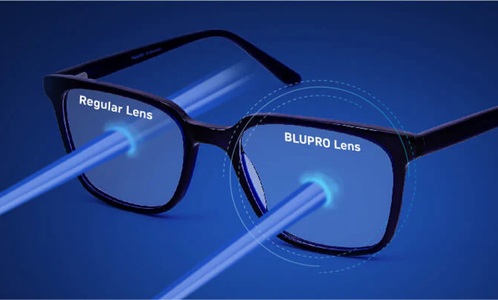
Check the Lens Reflection
One of the easiest ways to identify a blue cut lens is by observing its reflection under light.
- Genuine Blue Cut Lens: When light falls on the lens, you will notice a blue or purple reflection. This indicates that the lens is blocking or filtering blue light.
- Normal Lens: Usually reflects green or no specific color.
👉 This test can be done easily at home with a torchlight or by checking under tube light/LED light.
Use a Blue Light Torch Test
Optical stores and some online kits provide a blue light torch and a test card.
- Place the test card under the torch without the lens; you will see a dark blue mark.
- Now place the blue cut lens in between the torch and the card. A genuine lens will block the mark or make it very faint.
- If the mark is still clear and dark, the lens is not a true blue cut lens.
This is one of the most reliable methods to confirm authenticity.
Check with Screen Glare
Blue cut lenses reduce digital glare. You can test this by:
- Looking at a bright phone or laptop screen with and without the lens.
- With a genuine blue cut lens, the screen glare will reduce slightly, and the colors may appear warmer or less harsh on the eyes.
Ask for Certification or Brand Guarantee
Trusted optical brands (like Lenskart, Titan Eye+, Essilor, Zeiss, and Hoya) usually provide certification that confirms the blue cut coating. Always:
- Ask for the lens specification card.
- Verify whether the lens has blue light protection technology mentioned in the bill or product description.
Price Factor
Blue cut lenses are generally costlier than normal lenses because of the special coating. If someone offers you blue cut lenses at the same price as ordinary lenses, be cautious—it might not be genuine.
Comfort Test
Wearing blue cut lenses should make you feel a difference within a few days:
- Reduced eye strain after using screens.
- Lesser watering or irritation in eyes.
- Better sleep quality when used at night.
If you notice no difference, there’s a chance the lens is not real blue cut.
UV Light Protection Check
Most blue cut lenses also provide UV400 protection (protection from harmful UV rays of the sun). Ask the seller or check the specification to ensure your lens has this feature—it’s a good sign of authenticity.
Why Identifying Genuine Blue Cut Lens Matters
- Eye Safety: Fake lenses won’t protect against harmful blue light, defeating the purpose.
- Value for Money: Blue cut lenses are more expensive, so it’s important to ensure you’re paying for real protection.
- Comfort: Only genuine lenses will reduce headaches, eye strain, and sleep issues caused by blue light exposure.
Conclusion
Identifying a genuine blue cut lens is simple if you know what to look for. From the blue-purple reflection test and blue light torch test to checking certifications and brand reputation, these methods ensure that you are investing in real protection for your eyes. Since our daily lives are surrounded by digital devices, choosing the right lens is not just about vision—it’s about overall health and comfort.
So, the next time you buy spectacles, make sure your blue cut lens is authentic and not just a marketing trick. Your eyes deserve the best protection!