 By Hemant Sharma
 Corn flour is a common ingredient in Indian kitchens, widely used for thickening soups, making crispy fried snacks, or preparing dishes like manchurian, pakoras, and gravies. However, many people often confuse corn flour with corn starch, maize flour, or wheat flour, leading to mistakes in cooking. To make the best use of corn flour and avoid buying duplicates or substitutes, it is important to know how to identify it correctly.
In this article, we will explore the characteristics of corn flour and simple methods to identify it.
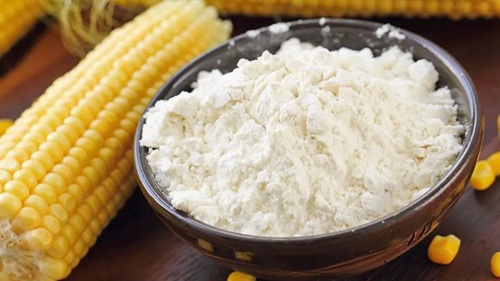
What is Corn Flour?
Corn flour is a fine white powder made from the starchy part of maize kernels. It is gluten-free, tasteless when raw, and mainly used as a thickening agent in cooking. In India, it is popularly known as makki ka aata when yellow maize flour is referred to, but that is different from the fine white corn flour (starch) sold in packets.
Color and Appearance
- Corn Flour (Starch form): Pure white, very fine, and powdery in texture.
- Maize Flour (Makki ka Atta): Yellowish and grainy, made from whole corn kernels.
- Wheat Flour (Atta): Slightly brownish or cream-colored, with a more grainy texture.
👉 If the flour is bright white and smooth like talcum powder, it is most likely corn flour.
Texture Test
Take a small amount of the powder between your fingers:
- Corn Flour: Feels silky, smooth, and slippery (almost like baby powder).
- Wheat or Maize Flour: Feels coarse and slightly rough.
This is one of the easiest ways to differentiate corn flour from other flours.
Taste Test
Corn flour is almost tasteless when raw. It does not have the nutty flavor of wheat flour or the earthy taste of maize flour. If you taste a pinch:
- Corn Flour: Neutral, chalky, or bland.
- Other Flours: Have noticeable flavor.
Water Mixing Test
Corn flour behaves differently when mixed with water:
- Take a glass of cold water.
- Add a spoonful of corn flour.
- Stir it well.
- Corn Flour: Forms a smooth, milky suspension that settles slowly if left untouched.
- Wheat Flour or Maize Flour: Forms lumps and does not dissolve uniformly.
This test is often used in kitchens before preparing soups or sauces.
Cooking Test
Corn flour thickens quickly when heated with water:
- If you boil water and add a paste of corn flour, it will turn glossy, translucent, and gel-like within minutes.
- Other flours (like wheat or rice flour) remain cloudy and take longer to thicken.
This thickening property is the key reason corn flour is used in Chinese and Indian cooking.
Packaging and Branding
In India, corn flour is usually sold by brands like Brown & Polson, Weikfield, or local grocery labels in sealed packets. Check the packaging for:
- Label mentioning “Corn Flour” or “Corn Starch.”
- White fine powder inside (visible through transparent packs).
If you buy loose flour from shops, make sure to do the tests above to confirm
Why Identifying Corn Flour is Important
- Cooking Accuracy: Using maize flour instead of corn flour can spoil recipes.
- Texture in Food: Only corn flour gives the glossy, smooth consistency needed in gravies, soups, and sauces.
- Dietary Needs: Corn flour is gluten-free, unlike wheat flour, making it suitable for people with gluten intolerance.
- Avoiding Adulteration: Some sellers mix cheap starches (like tapioca or potato starch) and sell them as corn flour. Knowing the difference helps you avoid such products.
Conclusion
Identifying corn flour is simple once you know its unique features—bright white color, silky texture, bland taste, smooth water suspension, and quick thickening when heated. Since many other flours look similar, these easy tests help in distinguishing genuine corn flour from wheat, rice, or maize flour. Whether you are cooking at home or buying from the market, knowing how to identify corn flour ensures the right taste, texture, and health benefits in your food.