 By Hemant Sharma
 Purple is a colour that has always felt a little different from the rest. It doesn’t appear as often as red or blue, and when it does, it instantly draws attention. Purple feels rich, mysterious, creative, and sometimes even emotional. Across history, people have treated it as special—sometimes sacred, sometimes powerful, and sometimes strange.
From ancient empires to modern fashion and psychology, purple has carried meanings far beyond its appearance. It has been feared, admired, restricted, and celebrated. Now let’s check out the top 10 interesting facts about the colour purple, explained below.
1. Purple Was Once Rarer Than Gold
In ancient times, purple dye was extremely rare and difficult to produce. It was made from sea snails found along certain coastlines, and thousands of snails were needed to dye a single garment.
The process was slow, expensive, and unpleasant. Because of this, purple fabric became more valuable than gold. Only emperors, kings, and the highest-ranking nobles could afford to wear it. For common people, purple clothing was completely out of reach.
2. Purple Became the Colour of Royalty
Because purple dye was so expensive, it naturally became linked with power and authority. Over time, purple stopped being just a colour and turned into a symbol of royalty.
In many ancient societies, laws even restricted the use of purple clothing. Wearing it without permission could result in punishment. Even today, purple still feels formal and powerful, carrying echoes of its royal past.
3. Purple Is Rare in Nature
Purple is surprisingly uncommon in the natural world. Compared to green leaves or blue skies, purple plants and animals are few.
When purple does appear—such as in certain flowers, berries, or sea creatures—it often serves a specific purpose. It may attract pollinators or warn predators. This natural rarity makes purple feel unusual and special to the human eye.
4. Purple Is Not a Single Colour of Light
Unlike red or green, purple does not exist as a single wavelength of light. It is created when red and blue light combine, and the brain blends the two.
This means purple is partly a creation of human perception. Your brain invents it by mixing signals. In that sense, purple exists more in the mind than in pure physics, which adds to its mysterious nature.
5. Purple Has Long Been Linked to Creativity
Purple is often associated with imagination, creativity, and original thinking. Artists, writers, and designers are frequently drawn to it.
This may be because purple sits between red and blue—blending energy with calmness. It feels balanced yet unconventional, making it a natural choice for creative expression.
6. Light Purple and Dark Purple Feel Very Different
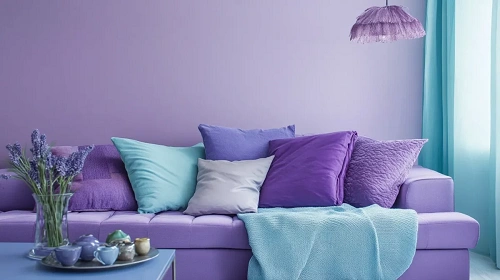
Not all purples create the same feeling. Soft shades like lavender feel calming and gentle, often linked with relaxation and peace.
Darker shades like deep violet or royal purple feel intense, dramatic, and powerful. Few colours can change mood so strongly just by changing shade. This flexibility makes purple popular in art, fashion, and design.
7. Purple Has Strong Spiritual Meanings
Across cultures, purple has been connected with spirituality, mystery, and deeper thinking. It often represents transformation, wisdom, and inner awareness.
In religious art and symbolism, purple is commonly used to express devotion or sacred importance. Its depth encourages reflection rather than excitement, which is why it feels thoughtful and serious.
8. Some People Feel Uncomfortable Around Purple
While many people love purple, others find it unsettling—especially darker shades.
Because purple is rare in everyday surroundings, the brain may register it as unusual or unnatural. Too much purple in one place can feel heavy or overwhelming. This reaction shows how strongly colour affects emotion, even when we don’t realize it.
9. Purple Can Affect Mood and Behavior
In colour psychology, purple is believed to encourage introspection and emotional awareness. It is often used in creative spaces, meditation rooms, and artistic branding.
However, balance matters. Small amounts of purple can feel inspiring, while overuse may feel distracting or intense. Like its history, purple works best when used with care.
10. Purple Is a Symbol of Individuality Today
In modern times, purple is often linked with uniqueness and standing out from the crowd. It doesn’t feel ordinary or basic.
Many brands, artists, and movements use purple to signal originality, independence, or something unconventional. Its long history of rarity and power still influences how we see it today.
Final Thought
Purple is not just a mix of red and blue—it is a colour shaped by history, science, emotion, and culture. Once reserved for emperors, now used to express creativity and individuality, purple has never been ordinary.
Whether seen in a flower, a royal robe, a painting, or a modern design, purple quietly asks for attention without shouting. That quiet strength is what makes the colour purple truly unforgettable.