 By Hemant Sharma
 Nature is the oldest teacher humans have ever had. Long before books, cities, or technology, nature shaped how life learned to survive. It creates, destroys, rebuilds, and balances itself without asking for permission. From tiny microbes to massive mountains, everything in nature follows patterns that are both simple and deeply complex.
What makes nature truly fascinating is that it works quietly. Rivers carve valleys without noise. Forests communicate without voices. Seasons change without schedules. Even today, with all our scientific progress, nature continues to surprise us. These ten facts reveal why nature is not just beautiful—but endlessly intelligent.
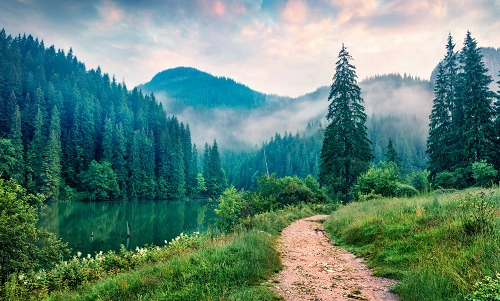
1. Nature Can Exist Without Humans, But Humans Cannot Exist Without Nature
Nature does not depend on humans to function. Forests grew long before people existed. Oceans balanced ecosystems without human involvement.
Humans, on the other hand, rely on nature for air, water, food, climate stability, and raw materials. This simple truth reminds us that nature is not something we control—it is something we are part of.
2. Trees Can Communicate With Each Other
Trees are not silent organisms. Through underground fungal networks, often called the “wood wide web,” trees share nutrients, warnings, and signals.
If one tree is attacked by insects, it can send chemical messages to nearby trees, helping them prepare defenses. Older trees even support younger ones by sharing resources. Forests function more like communities than collections of individual plants.
3. Nature Always Works in Cycles, Not Straight Lines
Nothing in nature moves endlessly forward. Water cycles, carbon cycles, seasons, life and death—all follow circular patterns.
This cycling prevents waste. What dies becomes nourishment. What falls returns again. Nature shows that sustainability is not a modern idea—it is a natural law.
4. The Smallest Creatures Often Do the Biggest Jobs
Insects, bacteria, and microorganisms may seem insignificant, but they keep ecosystems alive. Pollinators allow plants to reproduce. Decomposers break down waste. Microbes regulate soil and water health.
If these small organisms disappear, entire ecosystems collapse. Nature proves again and again that size has nothing to do with importance.
5. Nature Can Heal Itself—If Given Time
When human interference stops, nature often recovers. Forests regrow. Rivers clean themselves. Wildlife returns.
This self-healing ability is called ecological resilience. However, it has limits. Too much damage too quickly can overwhelm nature’s recovery systems. Balance is key.
6. Nature Produces Extreme Beauty and Extreme Danger
The same nature that gives flowers and rain also creates earthquakes, storms, and volcanic eruptions. These events are not acts of anger—they are natural processes.
Earth releases pressure, redistributes energy, and reshapes land. Nature is not gentle or cruel. It is neutral and necessary.
7. Most of Nature’s Activity Happens Out of Sight
Much of nature’s work happens underground, underwater, or at microscopic levels. Roots grow silently. Coral reefs build slowly. Soil organisms work constantly.
What we see above ground is only a small part of a much larger system. Nature reminds us that visibility does not equal importance.
8. Nature Never Wastes Anything
In nature, waste does not exist. Fallen leaves become soil. Dead animals feed other life. Even gases released by organisms are reused elsewhere.
Human systems often struggle with waste, but nature solved this problem millions of years ago. Everything has a role, even in decay.
9. Nature Shapes Human Behavior More Than We Realize
Climate influences clothing, architecture, food habits, and even language. People living near oceans think differently from those in deserts or mountains.
Nature quietly shapes culture, lifestyle, and mindset. Humans may build cities, but nature decides where they can truly survive.
10. Nature Is Older Than Any Human Idea or Belief
Mountains existed before religion. Rivers flowed before language. Stars burned long before humans looked up and wondered.
Nature does not follow human rules, morals, or borders. It simply exists—and in that existence, it holds knowledge older than civilization itself.
Conclusion
Nature is not just scenery. It is a system of intelligence built over billions of years. Every breeze, root, insect, and cloud plays a role in keeping life moving forward.
The more humans try to dominate nature, the more fragile things become. The more we learn to understand and respect it, the more balanced life feels. Nature does not need admiration—it needs awareness. And once we truly see it, we realize we were never separate from it at all.