 By Hemant Sharma
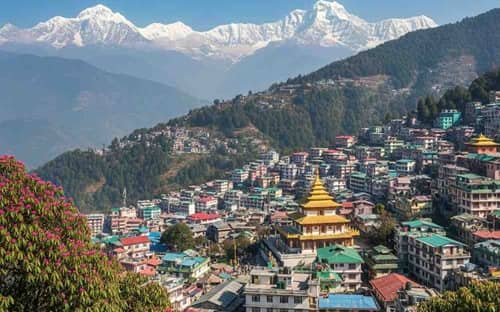
 Sikkim is small, quiet, and often overlooked on the map of India—but in reality, it is one of the most fascinating regions in the country. Nestled in the eastern Himalayas, Sikkim feels less like a state and more like a world of its own. Snow-covered peaks, deep valleys, ancient monasteries, and peaceful towns define its landscape and spirit.
What makes Sikkim special is not just its natural beauty, but the way life flows here. People value balance—between nature and development, tradition and modernity, spirituality and everyday living. These ten facts help explain why Sikkim stands apart from every other Indian state.
1. Sikkim Was an Independent Kingdom Until 1975
Unlike most Indian states, Sikkim was once an independent Himalayan kingdom ruled by the Chogyal dynasty. For centuries, it maintained its own identity, culture, and political system.
In 1975, after a public referendum, Sikkim officially became the 22nd state of India. This relatively recent integration explains why Sikkim still retains strong local traditions and a distinct administrative and cultural character.
2. It Is India’s Least Populated State
Sikkim has the smallest population among all Indian states. This low population density has helped preserve its natural environment and calm lifestyle.
Cities here do not feel overcrowded. Villages remain peaceful. Even the capital, Gangtok, feels orderly and relaxed compared to most Indian urban centers. The small population allows better management of resources and public services.
3. Sikkim Is India’s First Fully Organic State
Sikkim achieved a major milestone by becoming India’s first fully organic state. Chemical fertilizers and pesticides are completely banned in farming.
This decision wasn’t easy. It required years of planning, farmer education, and government support. Today, Sikkim’s organic produce is known for quality and sustainability. The state has become a global example of eco-friendly agriculture.
4. Kanchenjunga Dominates Sikkim’s Landscape
The mighty Kanchenjunga, the world’s third-highest mountain, watches over Sikkim. For locals, it is not just a peak—it is sacred.
Kanchenjunga influences weather, rivers, and spiritual beliefs. Many people consider it a guardian deity. On clear mornings, the golden glow of Kanchenjunga at sunrise is considered one of the most breathtaking sights in the Himalayas.
5. Sikkim Shares Borders With Three Countries
Sikkim is strategically located, sharing borders with China (Tibet), Nepal, and Bhutan. This rare geographical position has shaped its history, trade, and cultural mix.
Because of this, Sikkim’s population includes communities of Nepali, Bhutia, and Lepcha origin. Each group contributes its language, customs, food, and festivals, creating a rich cultural blend.
6. Buddhism Plays a Central Role in Daily Life
Buddhism is deeply woven into Sikkim’s identity. Monasteries are not just places of worship but centers of education, art, and community life.
Monasteries like Rumtek preserve ancient manuscripts, rituals, and festivals. Prayer flags flutter across hillsides, and the sound of bells and chants is part of everyday life. This spiritual atmosphere gives Sikkim its calm and reflective character.
7. Gurudongmar Lake Is One of the Highest Lakes in the World
Gurudongmar Lake sits at an altitude of over 17,000 feet, making it one of the highest lakes on Earth. Surrounded by snow-covered mountains, it looks almost unreal.
The lake holds religious significance for Buddhists, Sikhs, and Hindus alike. Despite freezing temperatures, a portion of the lake remains unfrozen year-round, which locals consider a blessing.
8. Sikkim Has Exceptional Biodiversity
Though small in size, Sikkim is one of India’s most biodiverse regions. It hosts tropical forests, alpine meadows, glaciers, and high-altitude deserts—all within a short distance.
The state is home to rare orchids, red pandas, snow leopards, and hundreds of bird species. This biodiversity exists because of strong conservation policies and respect for nature.
9. Tourism in Sikkim Is Carefully Controlled
Unlike many tourist destinations, Sikkim follows regulated tourism. Certain areas require special permits, and large-scale commercialization is discouraged.
This approach protects fragile ecosystems and local culture. Visitors experience cleaner surroundings, less crowding, and a more authentic connection with the land and people.
10. Sikkim Focuses on Happiness Over Speed
Life in Sikkim moves slowly, and that is intentional. Development here prioritizes education, health, environment, and social harmony over rapid industrial growth.
People value peace, community, and natural balance. This mindset has resulted in low crime rates, clean cities, and a strong sense of belonging among residents.
Conclusion
Sikkim is not loud, flashy, or fast—and that is its greatest strength. It shows that progress does not always need chaos, and development does not have to damage nature.
From its royal past and spiritual depth to its organic farms and Himalayan landscapes, Sikkim offers a different vision of how society can live in harmony with the environment. Small in size but deep in meaning, Sikkim remains one of India’s most remarkable states.