 By Hemant Sharma
 Lord Shiva is one of the most complex and misunderstood figures in Hindu philosophy. He is calm yet fierce, detached yet deeply compassionate, a destroyer yet the greatest benefactor. Shiva does not fit neatly into labels. He lives in silence, but his presence shakes the universe.
Unlike gods associated mainly with power or wealth, Shiva represents something deeper—transformation. He stands for the destruction of ignorance, ego, and illusion. His stories are not about comfort; they are about truth. To understand Shiva is to understand balance, contradiction, and inner freedom. These ten facts explore why Lord Shiva is not just worshipped—but deeply contemplated.
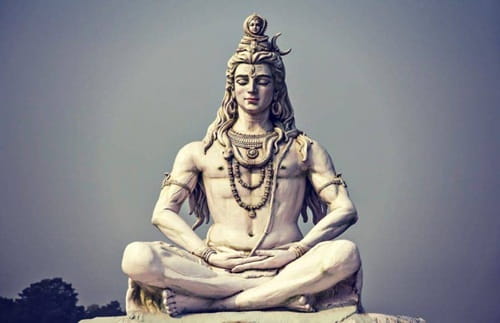
1. Lord Shiva Is the Symbol of Transformation, Not Destruction
Shiva is often called the destroyer, but this is only half the truth. His destruction is not violent chaos—it is purposeful transformation.
Just as fire burns old forests so new life can grow, Shiva destroys ignorance so awareness can rise. In Hindu philosophy, creation cannot exist without dissolution. Shiva represents that necessary end which makes new beginnings possible. Without Shiva, the universe would stagnate.
2. Shiva Is the Supreme Yogi
Lord Shiva is known as Adiyogi, the first yogi. He is depicted sitting in deep meditation on Mount Kailash, completely detached from material desires.
This posture symbolizes mastery over the mind. Shiva teaches that true power comes from self-control, not dominance. Yoga, meditation, and spiritual discipline are believed to originate from Shiva, making him the ultimate guide for inner awakening.
3. The Third Eye Represents Higher Awareness
One of Shiva’s most powerful symbols is his third eye.
This eye does not see the physical world—it sees truth. When opened, it destroys illusion and ego. According to legend, when Shiva opened his third eye, it reduced desire itself to ashes. This teaches that uncontrolled desire blinds wisdom, and awareness dissolves ignorance instantly.
4. Lord Shiva Chose Poison to Save the Universe
During the churning of the cosmic ocean (Samudra Manthan), a deadly poison emerged that threatened to destroy all creation.
Shiva drank this poison to protect the universe, holding it in his throat. This turned his neck blue, earning him the name Neelkanth. The story symbolizes supreme sacrifice—absorbing suffering so others may live. Shiva bears pain silently, without complaint.
5. The Shiva Lingam Represents the Infinite
The Shiva Lingam is one of the most misunderstood symbols in Hindu worship. It does not represent a physical form—it represents the formless infinite.
The lingam symbolizes the beginning and end of all creation, beyond gender and shape. It reminds devotees that ultimate reality cannot be confined to images or definitions. Shiva is worshipped not as a form, but as eternal consciousness.
6. Shiva Lives Outside Society’s Rules
Shiva does not live in palaces or heavens. He lives in cremation grounds, wears ashes, and associates with outcasts.
This is not rebellion—it is freedom. Shiva rejects social status, material wealth, and false morality. He shows that truth exists beyond comfort and approval. By living where others fear to go, Shiva teaches fearlessness and acceptance of life’s impermanence.
7. Nataraja: Shiva as the Cosmic Dancer
As Nataraja, Shiva performs the cosmic dance of creation, preservation, and destruction.
Each movement represents a force of the universe. One hand beats the rhythm of time, another grants protection, one destroys ignorance, and one points toward liberation. The dance shows that the universe is not static—it is movement, balance, and rhythm guided by consciousness.
8. Ardhanarishvara Shows Balance of Masculine and Feminine
Shiva is often depicted as Ardhanarishvara, half male and half female, united with Goddess Parvati.
This form represents perfect balance. Creation cannot exist without both energies—masculine and feminine, logic and emotion, strength and nurture. Shiva teaches that wholeness comes from balance, not dominance of one over the other.
9. Shiva Is the Easiest to Please
Shiva is known as Bholenath, the innocent and easily pleased one.
He does not demand wealth or luxury. Simple offerings like water, leaves, or sincere devotion are enough. This reflects a deep truth: divinity responds to honesty, not display. Shiva listens to the heart, not the ritual.
10. Shiva Represents Absolute Freedom
Above all, Shiva represents moksha—liberation.
He is free from fear, desire, ego, and attachment. His life teaches that freedom is not escaping the world, but rising above inner bondage. Shiva does not promise comfort; he promises truth. And truth, once realized, brings freedom.
Conclusion
Lord Shiva is not a god to be understood quickly. He challenges comfort, questions ego, and dissolves illusion. He stands at the edge of creation, silent yet all-powerful, detached yet infinitely compassionate.
To worship Shiva is not just to ask—it is to surrender false identities. Shiva does not give answers easily. He removes what blocks them. And in that removal lies transformation. Shiva is not just a deity of temples—he is the reminder that true power begins within.