 By Hemant Sharma
 Grass is everywhere. We walk on it, sit on it, mow it, and mostly ignore it. It feels ordinary, almost invisible. But grass is one of the most successful plants on Earth. It quietly feeds animals, supports ecosystems, shapes landscapes, and even influences human civilization more than we realize.
Without grass, life on land would look very different. Many of the foods we eat, the animals we depend on, and the environments we live in exist because grass thrives where other plants struggle. These ten fun facts reveal why grass is not just background greenery, but one of nature’s greatest survival stories.
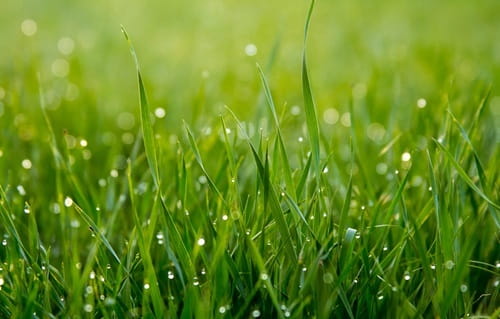
1. Grass Covers a Huge Part of the Planet
Grass is one of the most widespread plant groups on Earth.
Grasslands cover nearly 40% of the planet’s land surface, excluding ice-covered regions. From open savannas and prairies to lawns and fields, grass dominates landscapes across continents.
This wide coverage is not accidental. Grass adapts easily to different climates, soils, and conditions. Whether it’s dry, wet, hot, or cold, some type of grass finds a way to survive.
2. Grass Is Older Than Most Trees
Grass may seem soft and delicate, but it’s ancient.
Grasses appeared around 55–65 million years ago, roughly when dinosaurs were disappearing. Many modern trees evolved later. This means grass witnessed major planetary changes and adapted through them.
Its success comes from simplicity. Grass doesn’t rely on thick trunks or tall branches. It grows fast, spreads quickly, and recovers easily—qualities that helped it outlast many other plant types.
3. Grass Keeps Growing Even When Cut
One of the strangest things about grass is that cutting it doesn’t kill it.
Most plants grow from their tips, so cutting the top stops growth. Grass grows from the base. That’s why mowing a lawn doesn’t stop it—it actually encourages regrowth.
This growth pattern evolved as a defense against grazing animals. Long before lawnmowers existed, grass learned how to survive being eaten.
4. Grass Feeds the World—Indirectly
Grass may not look like food for humans, but it feeds us indirectly every day.
Cows, goats, sheep, and other grazing animals depend on grass. In turn, humans depend on these animals for milk, meat, leather, and other products.
Even more surprising, major food crops like wheat, rice, maize, barley, and sugarcane are all types of grass. When you eat bread or rice, you’re eating grass in a different form.
5. Grass Has One of the Strongest Root Systems
What you see above ground is only half the story.
Grass has dense, fibrous root systems that spread widely underground. These roots hold soil together, prevent erosion, and improve soil health by trapping nutrients and moisture.
Because of this, grass is often used to restore damaged land, stabilize slopes, and prevent flooding. Quietly, underground, grass protects the surface world.
6. Grasslands Support Massive Wildlife
Grasslands may look empty, but they support enormous ecosystems.
Some of the largest animal migrations on Earth happen in grassland regions. Herds of grazing animals depend on grass, and predators depend on those grazers.
Grasslands also support insects, birds, reptiles, and microorganisms. Remove grass, and entire food chains collapse. It may look simple, but grassland life is deeply interconnected.
7. Grass Can Grow Almost Anywhere
Grass is incredibly adaptable.
There are grass species that survive in freezing tundra, tropical rainforests, high mountains, deserts, wetlands, and urban cracks in sidewalks. Some grasses grow underwater, others survive extreme drought.
This adaptability is why grass is often the first plant to return after fires, floods, or volcanic eruptions. When nature resets, grass usually comes back first.
8. Bamboo Is Actually a Type of Grass
This surprises many people.
Bamboo looks like a tree, but it is technically a grass. It has hollow stems, grows from the base, and spreads through underground roots just like other grasses.
Some bamboo species grow incredibly fast—up to 90 centimeters in a single day. That makes bamboo one of the fastest-growing plants on Earth and a powerful example of how diverse grass can be.
9. Grass Helped Shape Human Civilization
Grass played a silent but crucial role in human history.
The domestication of grass crops like wheat and rice allowed humans to settle, farm, and build civilizations. Without grasses, large cities and stable food supplies would not exist.
Even today, economies, cultures, and traditions around the world revolve around grass-based crops. It’s not dramatic—but it’s foundational.
10. Grass Is a Natural Climate Regulator
Grass helps fight climate change in quiet ways.
Through photosynthesis, grass absorbs carbon dioxide and releases oxygen. Its roots store carbon underground, helping reduce greenhouse gases in the atmosphere.
Grasslands also reflect sunlight and cool the surrounding air. In cities, green lawns and parks reduce heat and improve air quality. Grass doesn’t just grow—it balances the environment.
Conclusion
Grass may seem ordinary, but it is one of nature’s greatest survivors. It feeds animals and humans, protects soil, supports wildlife, cools the planet, and recovers again and again after damage. It doesn’t demand attention, yet life depends on it.
The next time you walk across a field or sit on a lawn, remember this: beneath your feet is a plant that helped shape the world. Grass doesn’t need to stand tall to be powerful. It simply grows—and that quiet persistence has changed Earth forever.