 By Hemant Sharma
 A tiger reserve is not just a forest with tigers. It is a living kingdom of rivers, valleys, grasslands, hills, mangroves, tribal communities, prey animals, birds, reptiles and ancient trees. When a tiger reserve becomes bigger, it does not only give more space to the tiger. It also protects water sources, forest corridors, elephant movement, local climate and hundreds of lesser-known species that live under the shadow of the big cat.
India has the world’s strongest wild tiger conservation network. By 2026, India has 58 tiger reserves spread across 18 states, covering about 84,500 sq. km, according to NTCA’s latest tiger-reserve profile booklet. This article ranks the biggest tiger reserves in India by total notified area, including core and buffer zones.
1. Nagarjunsagar-Srisailam Tiger Reserve, Andhra Pradesh
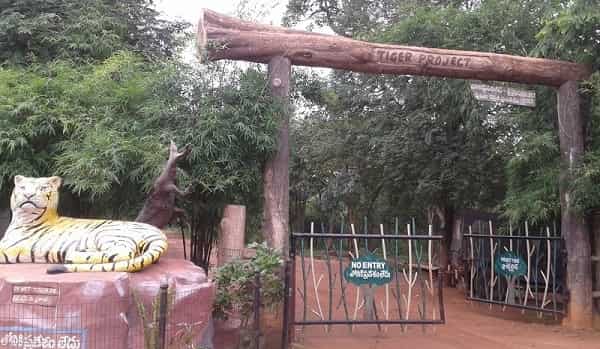
Nagarjunsagar-Srisailam Tiger Reserve is the biggest tiger reserve in India by notified area. Spread across the Nallamala Hills of Andhra Pradesh, it covers around 3,296.31 sq. km as per NTCA’s latest area listing. Older references sometimes mention a larger combined landscape because the historic reserve extended across present-day Andhra Pradesh and Telangana, but in the current tiger-reserve framework, the Andhra Pradesh side and Amrabad in Telangana are counted separately.
The reserve is connected with the Krishna River, deep valleys, dry deciduous forests, rocky terrain and the famous Srisailam temple landscape. Its large size gives tigers wide movement space, but the terrain also makes protection challenging.
- State: Andhra Pradesh
- Total area: 3,296.31 sq. km
- Main landscape: Nallamala Hills and Krishna basin
2. Manas Tiger Reserve, Assam
Manas Tiger Reserve in Assam is one of India’s most beautiful and ecologically rich tiger reserves. It covers around 2,837.10 sq. km, making it the second-biggest tiger reserve in India by total area.
Located along the Bhutan border, Manas is part of a larger transboundary conservation landscape. It is also a UNESCO World Heritage Site and is famous for tigers, elephants, rhinos, wild buffalo, golden langurs, pygmy hogs and rich grassland-forest habitats. Its combination of Himalayan foothills, riverine forests and alluvial grasslands makes it one of India’s most valuable wildlife areas.
- State: Assam
- Total area: 2,837.10 sq. km
- Main landscape: Eastern Himalayan foothills and grasslands
3. Indravati Tiger Reserve, Chhattisgarh
Indravati Tiger Reserve is one of the largest tiger reserves in central India. Located in the Bastar region of Chhattisgarh, it covers around 2,799.07 sq. km. The Wildlife Institute of India’s MEE portal lists Indravati’s total area as 2,799.07 sq. km, with 1,258.37 sq. km core area and 1,540.70 sq. km buffer area.
The reserve is named after the Indravati River, which forms a natural boundary in parts of the landscape. It is known for dense forests, wild buffalo, tigers, leopards, dholes, gaur and rich tribal-cultural surroundings. Security and accessibility issues have often made conservation work difficult here, but its ecological value remains immense.
- State: Chhattisgarh
- Total area: 2,799.07 sq. km
- Main landscape: Bastar forests and Indravati River basin
4. Melghat Tiger Reserve, Maharashtra
Melghat Tiger Reserve is one of the original Project Tiger reserves and remains Maharashtra’s largest tiger reserve by area. NTCA’s listing gives Melghat a total area of 2,768.52 sq. km.
Located in the Satpura ranges of Amravati district, Melghat is known for rugged hills, deep valleys, teak forests and important rivers such as Sipna, Gadga and Tapi tributaries. In 2026, Melghat completed 52 years as a tiger reserve, and reports noted its 2024 tiger census figure at 72 adult tigers and 33 cubs.
- State: Maharashtra
- Total area: 2,768.52 sq. km
- Main landscape: Satpura hills and dry deciduous forests
5. Similipal Tiger Reserve, Odisha
Similipal Tiger Reserve in Odisha is one of eastern India’s biggest and most unique tiger landscapes. It covers around 2,750 sq. km, with sal forests, waterfalls, hills, grasslands and rich biodiversity. Odisha government RTI material describes Similipal’s tiger-reserve area as 2,750 sq. km, while recent reports also refer to camera-trap work across its 2,750 sq. km core and buffer landscape.
Similipal is especially famous for its rare pseudo-melanistic tigers, which have unusually dark and broad stripes. It is also home to elephants, leopards, gaur, hornbills, orchids and many forest streams. In recent years, the reserve has gained attention for tiger monitoring, translocation and habitat management.
- State: Odisha
- Total area: Around 2,750 sq. km
- Main landscape: Eastern Ghats, sal forests and waterfalls
6. Amrabad Tiger Reserve, Telangana
Amrabad Tiger Reserve is Telangana’s largest tiger reserve and one of the biggest in India. NTCA’s latest listing gives Amrabad a total area of 2,611.39 sq. km.
It lies in the Nallamala forest landscape, which was historically connected with the larger Nagarjunsagar-Srisailam tiger landscape. The reserve has dry deciduous forests, rocky plateaus, deep valleys and wildlife such as tigers, leopards, sloth bears, wild dogs, sambar and chital. It is also culturally important because the Chenchu tribal community has a deep connection with this forest region.
- State: Telangana
- Total area: 2,611.39 sq. km
- Main landscape: Nallamala forests
7. Sundarban Tiger Reserve, West Bengal
Sundarban Tiger Reserve is India’s most unusual tiger reserve. Unlike the hill and forest reserves of central and southern India, Sundarban is a tidal mangrove wilderness where tigers swim across creeks and live in a saltwater-dominated ecosystem. The reserve covers 2,584.89 sq. km, according to Sundarban Tiger Reserve’s official annual report.
This reserve is part of the larger Sundarbans delta shared by India and Bangladesh. UNESCO describes the Sundarbans as covering about 10,000 sq. km of land and water across the Ganges delta, containing the world’s largest mangrove forest area. The Indian tiger reserve is vital for Bengal tigers, estuarine crocodiles, fishing cats, spotted deer, water birds and coastal protection.
- State: West Bengal
- Total area: 2,584.89 sq. km
- Main landscape: Mangrove delta and tidal creeks
8. Veerangana Durgavati Tiger Reserve, Madhya Pradesh
Veerangana Durgavati Tiger Reserve is one of India’s newer large tiger reserves and one of the biggest by area. NTCA’s listing gives it a total area of 2,339.12 sq. km.
It is located in Madhya Pradesh and was formed by combining important forest habitats in the central Indian landscape. This reserve has become significant because Madhya Pradesh already holds one of India’s strongest tiger networks. The large area gives it potential for tiger dispersal, corridor connectivity and long-term habitat protection.
- State: Madhya Pradesh
- Total area: 2,339.12 sq. km
- Main landscape: Central Indian forests
9. Dudhwa Tiger Reserve, Uttar Pradesh
Dudhwa Tiger Reserve is the biggest tiger reserve in Uttar Pradesh and one of the finest Terai ecosystems in India. It covers 2,201.77 sq. km and includes Dudhwa National Park, Kishanpur Wildlife Sanctuary and Katarniaghat Wildlife Sanctuary.
Located along the Indo-Nepal border, Dudhwa is known for tall grasslands, wetlands, sal forests and swampy habitats. It is home to tigers, one-horned rhinoceros, elephants, swamp deer, leopards, gharials, crocodiles and hundreds of bird species. Its importance is not only in size but also in protecting one of India’s last great Terai grassland-forest systems.
- State: Uttar Pradesh
- Total area: 2,201.77 sq. km
- Main landscape: Terai grasslands, wetlands and sal forests
10. Satpura Tiger Reserve, Madhya Pradesh
Satpura Tiger Reserve is one of India’s most scenic and ecologically balanced tiger reserves. NTCA lists its total area at 2,133.31 sq. km.
Located in the Satpura range of Madhya Pradesh, it includes rugged hills, sandstone cliffs, deep valleys, forests, streams and rich wildlife habitats. Satpura is known for tigers, leopards, sloth bears, wild dogs, gaur, giant squirrels and many bird species. It is also popular for controlled eco-tourism, including walking safaris and canoe experiences in selected zones.
- State: Madhya Pradesh
- Total area: 2,133.31 sq. km
- Main landscape: Satpura hills and central Indian forests
Conclusion
India’s biggest tiger reserves are not just large forest areas; they are living shields for rivers, wildlife, climate and local communities. From Nagarjunsagar-Srisailam and Manas to Sundarban, Dudhwa and Satpura, these reserves show the scale of India’s tiger conservation strength in 2026. Protecting them means protecting the wild heart of India.