 By Hemant Sharma
 India has always had a deep relationship with medicinal plants. In villages, grandmothers still suggest tulsi tea for seasonal discomfort. In Ayurveda, herbs like ashwagandha, giloy, amla and shatavari have been respected for centuries. In forests, mountains, farms and home gardens, thousands of plants quietly carry healing value in their leaves, roots, bark, flowers, fruits and seeds.
Medicinal plants are not just old beliefs. They are also part of India’s formal traditional health systems like Ayurveda, Siddha, Unani and folk medicine. The National Medicinal Plants Board works under the Ministry of AYUSH to support conservation, cultivation, trade and development of medicinal plants in India. It also notes that more than 1,178 medicinal plant species are consumed by India’s herbal drug industries, with 242 species used in annual quantities of more than 100 MT.
Here are the top 10 medicinal plants found in India that are famous for their traditional value, availability and usefulness.
1. Tulsi
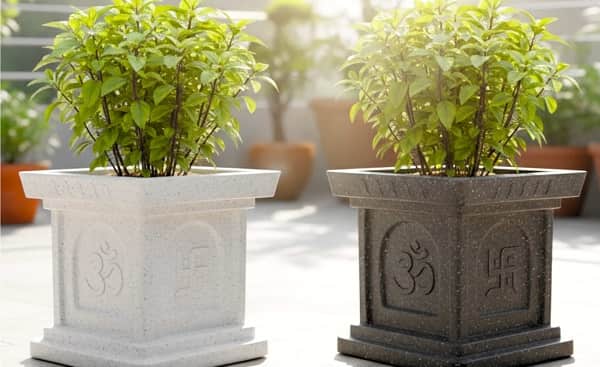
Tulsi, also called Holy Basil, is one of the most sacred and widely used medicinal plants in India. It is commonly grown in courtyards, balconies, temples and home gardens. In Indian households, tulsi is more than a plant; it is a symbol of purity, protection and wellness.
Traditionally, tulsi leaves are used in herbal tea, kadha and home remedies for seasonal cough, cold, throat discomfort and general immunity support. Research reviews describe tulsi as a plant with wide pharmacological interest, especially for stress, metabolic and immune-related traditional uses.
Useful parts: Leaves and seeds
Common use: Herbal tea, kadha, home remedies, worship
2. Neem
Neem is often called the village pharmacy of India. Almost every part of the neem tree has traditional value — leaves, bark, seeds, flowers and oil. It grows well in hot and dry climates, which makes it common across many Indian states.
Neem leaves are traditionally used for skin care, oral hygiene, wound cleaning and seasonal cleansing practices. Neem twigs have long been used as natural toothbrushes in rural India. Neem oil is also used in agriculture as a natural pest-control product. Its bitter taste makes it less attractive as food, but its medicinal importance is very high.
Useful parts: Leaves, bark, seeds, oil
Common use: Skin care, oral care, herbal preparations, natural pesticide
3. Amla
Amla, also known as Indian Gooseberry, is one of the most powerful medicinal fruits in India. It is famous for its high vitamin C content and is widely used in Ayurveda. Amla is a key ingredient in many classical preparations, including Chyawanprash and Triphala.
Traditionally, amla is used for digestion, hair health, skin glow, immunity support and general rejuvenation. It is eaten fresh, dried, powdered, pickled, or made into juice and murabba. Because it is both food and medicine, amla has a special place in Indian wellness culture.
Useful parts: Fruit
Common use: Chyawanprash, Triphala, juice, powder, hair oil
4. Ashwagandha
Ashwagandha is one of the most respected herbs in Ayurveda. It is a small shrub mainly valued for its roots. The name “Ashwagandha” is linked with strength and vitality, and the plant is traditionally classified as a rasayana, meaning a rejuvenating herb.
It is commonly used in traditional medicine for strength, stress support, sleep balance, stamina and overall vitality. Ministry of AYUSH-related material and modern reviews often refer to ashwagandha as a well-known adaptogenic herb in Indian traditional systems.
Useful parts: Roots and leaves
Common use: Powder, capsules, herbal tonics, Ayurvedic formulations
5. Giloy
Giloy, also called Guduchi, is a climbing plant often seen growing over trees and walls. Its heart-shaped leaves make it easy to identify. In Ayurveda, giloy is known as an important herb for general wellness and seasonal health support.
Traditionally, giloy stem is used in decoctions, juices and herbal formulations. It is especially popular for immunity support and fever-related traditional use. However, giloy should not be taken blindly or in excess, especially by people with autoimmune conditions, liver problems or those taking regular medicines.
Useful parts: Stem, leaves and roots
Common use: Kadha, juice, powder, tablets
6. Aloe Vera
Aloe vera is one of the easiest medicinal plants to grow at home. It has thick, fleshy leaves filled with cooling gel. In India, it is widely grown in pots, gardens and farms, especially in warm and dry regions.
Aloe vera gel is traditionally used for skin soothing, minor burns, dryness, hair care and cosmetic preparations. Aloe juice is also sold widely, but it should be consumed carefully because it may not suit everyone. Pregnant women, people with digestive problems or those on medication should take medical advice before using aloe internally.
Useful parts: Leaf gel and latex
Common use: Skin gel, hair care, juice, cosmetics
7. Turmeric
Turmeric, or Haldi, is one of India’s most famous medicinal spices. It is used daily in Indian kitchens, but its value goes far beyond colour and flavour. The bright yellow rhizome contains curcumin, a compound widely studied for its biological activity.
Traditionally, turmeric is used for wound care, skin glow, digestion, joint comfort and seasonal wellness. Haldi milk is one of the most common home remedies in India. Turmeric is also used in religious ceremonies, marriage rituals and beauty care, making it both medicinal and cultural.
Useful parts: Rhizome
Common use: Cooking, haldi milk, herbal paste, Ayurvedic formulations
8. Brahmi
Brahmi is a small creeping herb found in moist areas. It is best known in India for its traditional connection with memory, learning and calmness. Students, elderly people and people doing mental work often know Brahmi through oils, syrups and powders.
In Ayurveda, Brahmi is traditionally used for brain health, concentration, sleep support and mental balance. It is also used in hair oils because of its cooling and nourishing reputation. Brahmi grows well in wet soil and can also be cultivated in gardens with regular moisture.
Useful parts: Whole plant
Common use: Brain tonics, hair oil, powder, herbal syrups
9. Moringa
Moringa, commonly known as Drumstick Tree, is one of India’s most useful plants. Its leaves, pods, flowers and seeds are all valuable. In South Indian kitchens, drumstick pods are used in sambar and curries, while moringa leaves are eaten as a nutritious green vegetable.
Moringa leaves are rich in nutrients and are traditionally used for strength, nourishment and general wellness. It grows fast, needs less care and can survive in dry conditions. Because of its food and medicinal value, moringa is often called a miracle tree.
Useful parts: Leaves, pods, flowers, seeds
Common use: Vegetable, leaf powder, soups, herbal nutrition products
10. Shatavari
Shatavari is a climbing medicinal plant famous in Ayurveda, especially for women’s health. Its tuberous roots are the most valued part. The plant grows in different parts of India and is also cultivated for medicinal use.
Traditionally, shatavari is used as a nourishing herb, especially in formulations related to strength, reproductive health and postnatal care. It is commonly available in powder, granule and tablet form. Because it can affect hormonal balance and digestion in some people, it should be used under expert guidance when taken regularly.
Useful parts: Roots
Common use: Ayurvedic tonics, powders, women’s health formulations
Why Medicinal Plants Matter in India
Medicinal plants support traditional healthcare, rural livelihoods, herbal industries, forest communities and home-based wellness practices. Many of them are also used in food, cosmetics, agriculture and religious rituals. Plants like tulsi, amla, turmeric, neem and moringa are part of daily Indian life, while ashwagandha, giloy, shatavari and brahmi are more closely connected with Ayurvedic formulations.
At the same time, natural does not always mean risk-free. Some herbs can interact with diabetes, blood pressure, thyroid, liver, kidney or pregnancy-related medicines. So medicinal plants are best used with awareness, proper dosage and expert advice.
Conclusion
India’s medicinal plants are a priceless gift of nature and tradition. Tulsi, neem, amla, ashwagandha, giloy, aloe vera, turmeric, brahmi, moringa and shatavari show how deeply plants are connected with Indian life. Protecting and using them wisely is the best way to keep this green heritage alive.