 By Hemant Sharma
 India’s economy does not move only on highways, railways and airports. A large part of it moves through the sea. Crude oil, coal, containers, fertilisers, steel, food grains, cars, machinery and chemicals enter and leave the country through ports every day. These ports are not just docking points for ships. They are trade engines, logistics hubs, industrial magnets and lifelines for coastal states.
In 2026, India officially has 12 Major Ports under the Ministry of Ports, Shipping and Waterways. These ports handled 914.73 million tonnes of cargo during April–March 2025-26, compared with 854.86 million tonnes in 2024-25, showing a strong 7% annual growth.
One important point: Mundra is India’s largest commercial port overall, but it is a private non-major port. This article focuses on India’s official Major Ports and ranks the top 10 mainly by FY 2025-26 cargo handling.
1. Deendayal Port, Gujarat
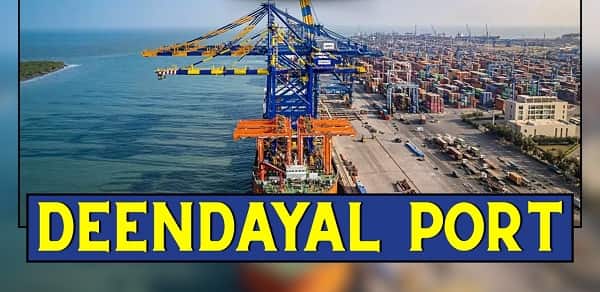
Deendayal Port, earlier known as Kandla Port, is India’s busiest Major Port in 2026 by cargo handling. Located in the Gulf of Kutch in Gujarat, it is a powerful trade gateway for northern and western India. During April–March 2025-26, Deendayal Port handled around 160.11 MMT, making it the top cargo-handling Major Port in India.
The port handles petroleum products, crude oil, fertilisers, chemicals, salt, timber, food grains and other bulk cargo. Its location gives it direct access to Gujarat, Rajasthan, Punjab, Haryana, Delhi-NCR and parts of central India. Deendayal Port is especially important because it supports both overseas cargo and coastal trade.
Location: Kandla, Gujarat
Cargo handled in FY 2025-26: Around 160.11 MMT
Major strength: Bulk cargo, liquid cargo and western India trade
2. Paradip Port, Odisha
Paradip Port is one of India’s strongest bulk cargo ports and the leading Major Port on the eastern coast. Located in Odisha, it plays a huge role in handling coal, iron ore, crude oil, petroleum products, fertilisers and steel-related cargo. In FY 2025-26, Paradip handled around 156.45 MMT, placing it just behind Deendayal Port.
Paradip is strategically important because it serves mineral-rich Odisha, Jharkhand, Chhattisgarh and nearby industrial regions. It also has a strong coastal cargo profile. The Ministry data shows Paradip had the highest share in coastal cargo among Major Ports during 2025-26.
Location: Paradip, Odisha
Cargo handled in FY 2025-26: Around 156.45 MMT
Major strength: Coal, iron ore, POL, coastal cargo and mineral trade
3. Jawaharlal Nehru Port, Maharashtra
Jawaharlal Nehru Port, also called JNPA or Nhava Sheva, is India’s most important container port among the Major Ports. Located near Mumbai, it is the main container gateway for western and northern India. In FY 2025-26, JNPA handled around 102.01 MMT of cargo. It was also among the top five Major Ports by total cargo handled.
JNPA is famous for containerised trade. It handles exports and imports linked with automobiles, engineering goods, electronics, textiles, chemicals, machinery and consumer products. Its strong road and rail connectivity with Maharashtra, Gujarat, Delhi-NCR and other inland markets makes it a backbone of India’s container logistics.
Location: Navi Mumbai, Maharashtra
Cargo handled in FY 2025-26: Around 102.01 MMT
Major strength: Containers and export-import trade
4. Visakhapatnam Port, Andhra Pradesh
Visakhapatnam Port is one of India’s most important east-coast ports. It serves Andhra Pradesh, Telangana, Odisha, Chhattisgarh and other industrial regions. During FY 2025-26, Visakhapatnam Port handled around 91.17 MMT, making it one of the top four Major Ports in India.
The port handles iron ore, coal, petroleum products, fertilisers, containers, steel cargo and general cargo. Its natural harbour advantage and strong rail connectivity make it a preferred port for bulk cargo. Visakhapatnam also supports nearby industries, including steel, power, mining and fertiliser sectors.
Location: Visakhapatnam, Andhra Pradesh
Cargo handled in FY 2025-26: Around 91.17 MMT
Major strength: Bulk cargo, mineral trade and east-coast connectivity
5. Mumbai Port, Maharashtra
Mumbai Port is one of India’s oldest and most historic ports. It may not be the country’s biggest container port anymore, but it still remains a major cargo-handling centre. In FY 2025-26, Mumbai Port handled around 75.15 MMT of cargo.
The port is important for petroleum products, liquid cargo, chemicals, general cargo and cruise operations. Its biggest advantage is location. Mumbai is India’s financial capital, an industrial centre, a consumption hub and a major logistics zone. Even with space limitations in a dense city, Mumbai Port continues to remain strategically important.
Location: Mumbai, Maharashtra
Cargo handled in FY 2025-26: Around 75.15 MMT
Major strength: Liquid cargo, petroleum products and western India supply
6. Syama Prasad Mookerjee Port, Kolkata
Syama Prasad Mookerjee Port, Kolkata, is India’s only riverine Major Port. It includes Kolkata Dock System and Haldia Dock Complex. In FY 2025-26, the combined SMP Kolkata system handled around 70.70 MMT of cargo.
This port is very important for eastern and north-eastern India. Kolkata Dock System supports river-based and container cargo, while Haldia handles larger volumes of bulk and liquid cargo. SMP Kolkata connects West Bengal, Bihar, Jharkhand, Assam and neighbouring regions with maritime trade.
Location: Kolkata and Haldia, West Bengal
Cargo handled in FY 2025-26: Around 70.70 MMT
Major strength: Riverine trade, Haldia bulk cargo and eastern India connectivity
7. Chennai Port, Tamil Nadu
Chennai Port is one of the oldest and most important ports on India’s east coast. It has strong links with Tamil Nadu’s automobile, manufacturing, engineering and container trade. In FY 2025-26, Chennai Port handled around 57.90 MMT of cargo.
The port is especially known for containers, automobiles, project cargo, petroleum products and general cargo. Its location inside one of India’s biggest industrial states gives it a strong demand base. Chennai Port also supports the Chennai-Bengaluru industrial corridor and southern India’s export economy.
Location: Chennai, Tamil Nadu
Cargo handled in FY 2025-26: Around 57.90 MMT
Major strength: Containers, automobiles and industrial cargo
8. New Mangalore Port, Karnataka
New Mangalore Port is Karnataka’s main Major Port and an important west-coast gateway. Located at Panambur near Mangaluru, it serves Karnataka and parts of Kerala. During FY 2025-26, New Mangalore Port handled around 50.05 MMT of cargo.
The port handles crude oil, petroleum products, coal, fertilisers, iron ore, containers, coffee, cashew and other commodities. It is also important for the nearby Mangalore Refinery and the industrial belt of coastal Karnataka. Its role is smaller than Deendayal or JNPA, but regionally it is extremely important.
Location: Mangaluru, Karnataka
Cargo handled in FY 2025-26: Around 50.05 MMT
Major strength: Crude oil, petroleum products, coal and coastal Karnataka trade
9. Kamarajar Port, Tamil Nadu
Kamarajar Port, earlier known as Ennore Port, is located near Chennai. It was developed as a modern port to reduce congestion at Chennai Port and support industrial cargo movement. In FY 2025-26, Kamarajar Port handled around 49.08 MMT of cargo.
The port is known for coal, automobiles, petroleum products, LNG, containers and general cargo. It plays a major role in supporting power plants, automobile exports and industries around Chennai. Its modern layout and proximity to major industrial zones make it one of the most strategic ports in south India.
Location: Ennore, Tamil Nadu
Cargo handled in FY 2025-26: Around 49.08 MMT
Major strength: Coal, automobiles, LNG and industrial cargo
10. V.O. Chidambaranar Port, Tamil Nadu
V.O. Chidambaranar Port, also known as Tuticorin Port, is a major port in southern Tamil Nadu. It is one of the most important ports for trade with Sri Lanka, Southeast Asia and other maritime routes. In FY 2025-26, the port handled around 43.21 MMT of cargo.
The port handles containers, coal, fertilisers, salt, copper concentrate, petroleum products and general cargo. It is especially important for industries in southern Tamil Nadu and for export-import businesses around Tuticorin, Tirunelveli, Madurai and nearby regions.
Location: Thoothukudi, Tamil Nadu
Cargo handled in FY 2025-26: Around 43.21 MMT
Major strength: Containers, bulk cargo and southern Tamil Nadu trade
Conclusion
India’s major ports are the strong sea gates behind the country’s trade growth. Deendayal, Paradip, JNPA, Visakhapatnam and Mumbai lead the list, while Kolkata, Chennai, New Mangalore, Kamarajar and V.O. Chidambaranar strengthen regional trade. Together, these ports show how India’s maritime economy is becoming bigger, faster and more connected in 2026.