 By Meghna Sharma
 India’s fish culture is shaped by rivers, ponds, reservoirs, estuaries, lagoons and two long coastlines. A fish that feels ordinary in one region can be a prized delicacy in another. Bengal celebrates ilish, Odisha has a strong tradition of rohu, bhakura and ilishi, Kerala loves mathi and ayala, while Maharashtra and Goa are closely associated with surmai, bangda and pomfret. For home cooks, choosing fish is not only about price. The right variety depends on flavour, bone structure, fat content, freshness and cooking method. Oily marine fish such as sardines and mackerel are valued for omega-3 fats, while freshwater carps remain versatile everyday choices. In 2026, traceability, responsible aquaculture and sustainable sourcing are also becoming more important to Indian seafood buyers. 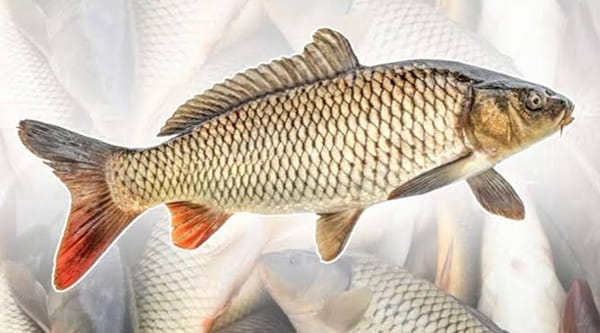 Regional names can be confusing because one fish may have several names and some market names overlap between species. This guide keeps those differences clear while focusing on practical buying, nutrition and cooking value. Now, let’s check out the top 10 fish varieties in India.
1. Rohu (Labeo rohita)
Rohu is one of India’s most familiar freshwater fish. Its mild flesh absorbs spices well, making it a dependable choice for everyday curries.
- Regional names: Rohu in Hindi; Rui in Bengali; Rohi/Rohu in Odia; Rou in Assamese.
- Environment & texture: Freshwater; mild, slightly sweet and moderately firm, with fine bones.
- Popular culinary uses: Rui Macher Jhol, Odia Machha Besara, mustard curry and light tomato gravy.
- Health value: Good-quality protein, B vitamins, minerals and beneficial fats.
2. Hilsa / Ilish (Tenualosa ilisha)
Hilsa is both a celebrated food fish and a cultural favourite in eastern India. Its naturally oily flesh has an intense aroma and flavour.
- Regional names: Hilsa in Hindi and trade; Ilish in Bengali and Assamese; Ilishi in Odia; Pulasa is linked with prized Godavari hilsa.
- Environment & texture: Anadromous; rich, oily and soft, with many fine bones.
- Popular culinary uses: Shorshe Ilish, Bhapa Ilish, Ilish Paturi and Ilish Jhol.
- Health value: High-quality protein and substantial omega-3 fatty acids.
3. Surmai / King Mackerel (Scomberomorus commerson)
Surmai is a premium marine fish valued for thick steaks and firm flesh. It holds its shape well during frying, grilling and curry cooking.
- Regional names: Surmai in Maharashtra; Vanjaram in Tamil Nadu; Neymeen or Ayakoora in Kerala.
- Environment & texture: Saltwater; firm, meaty and moderately rich, with manageable bones.
- Popular culinary uses: Surmai rawa fry, Malvani curry, tawa fry and grilled steaks.
- Health value: Protein, omega-3 fats, vitamin B12 and selenium.
4. Pomfret (Silver / Black Pomfret)
Pomfret is a popular premium choice for whole-fish cooking. Silver pomfret is delicate and mildly sweet, while black pomfret is generally firmer.
- Regional names: Paplet in Maharashtra and Gujarat; Vavval in Tamil; Avoli in Malayalam.
- Environment & texture: Saltwater; tender and fine-flaked, with black pomfret slightly firmer.
- Popular culinary uses: Pomfret fry, Goan recheado pomfret, tandoori pomfret and coconut curry.
- Health value: Lean protein, B vitamins, selenium and marine fats.
5. Katla / Catla (Catla catla)
Katla is a major freshwater carp with a richer taste than rohu, especially around the belly and head. Its large flakes suit robust gravies.
- Regional names: Katla in Hindi and Bengali; Katla/Katala in eastern India; Bhakura in many Odia markets.
- Environment & texture: Freshwater; moist, rich and large-flaked.
- Popular culinary uses: Katla Kalia, Doi Katla, spicy onion-tomato curry and fish-head dishes.
- Health value: Protein, phosphorus, B vitamins and beneficial fats.
6. Bangda / Indian Mackerel (Rastrelliger kanagurta)
Bangda is an affordable, flavourful marine fish with a strong coastal identity. Its natural oils work especially well with tamarind, kokum and coconut.
- Regional names: Bangda in Marathi; Bangude in Kannada; Ayala in Malayalam.
- Environment & texture: Saltwater coastal fish; oily, moist, flaky and strongly flavoured.
- Popular culinary uses: Bangda fry, Goan mackerel curry, Kerala Ayala Curry and masala fry.
- Health value: Rich in omega-3 fats, protein, vitamin B12 and selenium.
7. Rani / Pink Perch (Nemipterus japonicus)
Rani suits buyers who prefer a lighter marine fish without the strong oiliness of sardines or mackerel. “Pink perch” may be used loosely in some markets.
- Regional names: Rani in parts of western India; Kilimeen in Malayalam; Sankara may refer to related threadfin breams in Tamil markets.
- Environment & texture: Saltwater demersal fish; mild, slightly sweet and soft-flaked.
- Popular culinary uses: Kilimeen fry, light coconut curry and shallow-fried masala fish.
- Health value: Lean protein with selenium and phosphorus.
8. Seer Fish / Vanjaram / Anjal – Spotted Seer (Scomberomorus guttatus)
Spotted seer is a separate species from the king seer listed earlier, although regional market names often overlap. Its firm steaks are excellent for frying.
- Regional names: Seer fish in trade; Anjal, Vanjaram, Surmai and similar names can overlap by region.
- Environment & texture: Saltwater; firm, meaty and clean-tasting.
- Popular culinary uses: Karnataka Anjal fry, Tamil Vanjaram masala fry and coastal curries.
- Health value: Protein, omega-3 fats, vitamin B12 and selenium.
9. Basa / Pangasius (Usually Pangasianodon hypophthalmus in Indian Retail)
Basa is popular because it is mild, affordable and commonly sold as boneless fillets. In Indian retail, “basa” may broadly refer to farmed pangasius.
- Regional names: Basa and Pangas are common retail names; Pangas is familiar across eastern India.
- Environment & texture: Freshwater farmed fish; very mild, soft and moist.
- Popular culinary uses: Tawa fillet, fish tikka, crumb fry, baked fillet and mild curry.
- Health value: Lean protein, but usually less omega-3-rich than oily marine fish.
10. Mathi / Indian Oil Sardine (Sardinella longiceps)
Mathi proves that nutritious seafood need not be expensive. These small oily fish have a bold flavour and are central to many west-coast kitchens.
- Regional names: Mathi or Chaala in Malayalam; Mathi in Tamil; Boothai in parts of Karnataka; Tarli on parts of the Konkan coast.
- Environment & texture: Saltwater coastal fish; rich, oily, soft and strongly flavoured.
- Popular culinary uses: Kerala Mathi Curry, Malabar Sardine Curry, Mathi Fry and chilli-tamarind curry.
- Health value: Excellent omega-3 fats, protein, vitamin B12 and vitamin D; edible bones can add calcium.
Practical Buyer’s Guide: How to Select Fresh Fish
Freshness matters more than a fancy species name. Check several signs together before buying.
- Eyes: Bright and reasonably clear, not deeply sunken or heavily cloudy.
- Gills: Red to pink rather than dull brown or grey.
- Flesh and smell: Firm flesh should spring back. The smell should be clean and marine, never sour or strongly ammonia-like.
- Online orders: Check packing date, cold-chain information, species name, processor details and source traceability when available.
Conclusion
India’s best fish choices are often regional and seasonal. Use these ten varieties as a starting point, but also explore fresh local catch. Matching the fish to the recipe, checking freshness and choosing traceable, responsibly sourced seafood can deliver better flavour, nutrition and value.
Frequently Asked Questions
Q. Which Indian fish variety has the highest Omega-3 fatty acid content?
Sardines, Indian mackerel and hilsa are among the strongest omega-3 choices commonly eaten in India. Exact levels vary with season, diet and fat content.
Q. What is the difference between Rohu and Katla fish in terms of taste and cooking?
Rohu is milder and slightly firmer, making it good for light jhol and mustard curries. Katla is richer, especially around the belly and head, and suits heavier gravies.
Q. Which Indian fish has the fewest bones and is best for easy cooking or children?
Boneless pangasius or basa fillets are easiest. Seer fish steaks and pomfret also have manageable bones. Children’s portions should still be checked carefully.
Q. How can home cooks ensure they are buying sustainably caught or farmed fish in India?
Buy from traceable sellers and ask for the species and source. For farmed fish, prefer reliable processors and responsible aquaculture. For wild fish, season, fish size, stock condition and fishing method also matter.