 By Meghna Sharma
 Tomato is one of the hardest-working ingredients in an Indian kitchen. It gives body to dal, colour to gravies, acidity to chutneys and freshness to salads, sandwiches and street food. Yet tomatoes are not all alike. Some varieties are bred for juicy table use, some for firm transport-friendly fruits, while others have thicker flesh and better processing quality for ketchup, puree and sauce.
India’s tomato belt stretches from Karnataka and Andhra Pradesh to Maharashtra, Madhya Pradesh, Uttar Pradesh, Punjab and the northern plains. In 2026, growers and buyers are paying closer attention to shelf life, disease resistance, lycopene, fruit firmness and suitability for protected cultivation. Home gardeners are also choosing named varieties because the cultivar can affect flavour, yield and kitchen performance. From classic Pusa Ruby to disease-resistant Arka Rakshak and sweet cherry tomatoes, there is plenty to explore. Now, let’s check out the top 10 tomato varieties in India.
1. Pusa Ruby
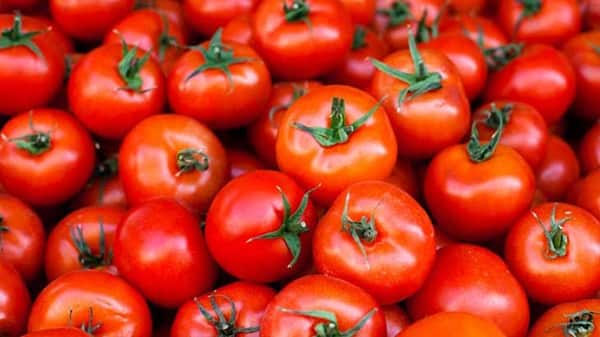
Pusa Ruby is a classic Indian tomato known for its traditional sweet-acid flavour rather than the extreme firmness of modern hybrids.
- Known As & Growing Zones: Pusa Ruby; associated with ICAR-IARI and grown in suitable plains and subtropical vegetable belts.
- Fruit & Flavor: Medium red fruits with noticeable acidity and a familiar old-style tomato taste.
- Best Uses: Curry bases, rasam, chutney, tomato rice, soups and everyday cooking.
- Growing Traits: Open-pollinated, making it attractive to seed-saving gardeners, although newer hybrids generally offer better disease resistance and shelf life.
2. Arka Rakshak
Arka Rakshak is one of India’s most important modern public-sector tomato hybrids. Its major advantage is resistance to tomato leaf curl virus, bacterial wilt and early blight.
- Known As & Growing Zones: Arka Rakshak F1; promoted across commercial tomato regions.
- Fruit & Flavor: Large, deep-red, square-round fruits of about 90-100 g with firm flesh.
- Best Uses: Fresh sales, curries, salads, puree and sauce.
- Growing Traits: ICAR-IIHR reports 75-80 tonnes per hectare yield potential in about 140 days; it is suitable for fresh market and processing.
3. Arka Vikas
Arka Vikas is a dependable open-pollinated variety for growers who want a versatile fresh-market tomato without relying on an F1 hybrid.
- Known As & Growing Zones: Arka Vikas; developed by ICAR-IIHR and suited to several Indian vegetable belts.
- Fruit & Flavor: Medium-large, oblate fruits of about 80-90 g, turning deep red on ripening.
- Best Uses: Sabzi gravies, tomato-onion masala, salads, chutneys and home sauces.
- Growing Traits: Suitable for both rainfed and irrigated cultivation, with yield potential around 35 tonnes per hectare in 140 days.
4. Pusa Rohini
Pusa Rohini is particularly useful when tomatoes must travel from farm to city markets without becoming soft too quickly.
- Known As & Growing Zones: Pusa Rohini; developed for Delhi and NCR and useful in similar climates.
- Fruit & Flavor: Smooth, round, red fruits of about 70 g with a thick fruit wall and firm bite.
- Best Uses: Household cooking, salads, curry bases and processing.
- Growing Traits: Determinate, maturing in about 120 days. ICAR-IARI reports around 41.2 tonnes per hectare and highlights its longer shelf life and transport suitability.
5. Arka Saurabh
Arka Saurabh works well for both fresh markets and processing, making it a practical all-round tomato.
- Known As & Growing Zones: Arka Saurabh; ICAR-IIHR open-pollinated variety.
- Fruit & Flavor: Round, firm fruits of roughly 70-80 g that become deep red when ripe.
- Best Uses: Curries, salads, puree, tomato sauce and chutney.
- Growing Traits: Yield potential is about 30-35 tonnes per hectare in around 140 days under suitable management.
6. Punjab Chhuhara
Punjab Chhuhara is a well-known PAU tomato associated with firm fruit and good keeping quality. Its elongated form also makes it useful for processing.
- Known As & Growing Zones: Punjab Chhuhara; strongly associated with Punjab and north-western India.
- Fruit & Flavor: Firm, fleshy, plum-like fruits with less watery texture than many soft table tomatoes.
- Best Uses: Thick gravies, ketchup, puree, sauce and cooked chutney.
- Growing Traits: Known for transportability and shelf life; PAU notes that the variety achieved wider adoption in India and recognition for keeping quality.
7. Arka Ashish
Arka Ashish was bred specifically for processing, where colour, flesh thickness and soluble solids matter more than easy slicing.
- Known As & Growing Zones: Arka Ashish; ICAR-IIHR processing tomato.
- Fruit & Flavor: Oval, very firm, thick-fleshed fruits with attractive deep-red colour.
- Best Uses: Ketchup, sauce, paste, puree and concentrated gravies.
- Growing Traits: ICAR-IIHR reports about 4.8% TSS, lycopene around 10 mg/100 g and yield potential near 38 tonnes per hectare. It is also tolerant to powdery mildew and fruit cracking.
8. Pusa Sadabahar
Pusa Sadabahar is valued for its ability to perform across a comparatively wide temperature range.
- Known As & Growing Zones: Pusa Sadabahar; developed by ICAR-IARI for Delhi and NCR conditions.
- Fruit & Flavor: Small, smooth, attractive red fruits, oval to round in shape.
- Best Uses: Everyday curries, chutneys, light sauces and home-garden harvests.
- Growing Traits: Determinate and prolific. ICAR-IARI describes it as suitable from about 8°C to 30°C, with yields around 25-35 tonnes per hectare.
9. Punjab Gaurav
Punjab Gaurav is a useful choice for protected cultivation and markets where firmness and shelf life are important.
- Known As & Growing Zones: Punjab Gaurav; developed by Punjab Agricultural University.
- Fruit & Flavor: Oval, very firm fruits of around 90 g with a pointed tip and good soluble solids.
- Best Uses: Fresh slicing, salads, sandwiches, roasting and thick curry bases.
- Growing Traits: Recommended for polynet-house cultivation. PAU reports about six days of shelf life under ambient conditions and suitability for both local and distant markets.
10. Punjab Red Cherry
Punjab Red Cherry reflects the growing popularity of cherry tomatoes in urban kitchens, cafés and protected farming.
- Known As & Growing Zones: Punjab Red Cherry; suited to protected cultivation in Punjab and comparable conditions.
- Fruit & Flavor: Small, round, deep-red fruits averaging about 12 g, with a sweeter, concentrated flavour.
- Best Uses: Salads, pasta, pizza, roasting, lunch boxes and decorative plating.
- Growing Traits: Fruits form in large clusters. PAU reports about 6.3% TSS, tolerance to leaf curl virus and first picking around 120 days after transplanting.
Practical Buyer’s Guide: How to Pick and Store Fresh Tomatoes
Freshness and intended use matter more than perfect colour.
- For salads: Choose firm, smooth tomatoes that feel heavy for their size and have no watery soft spots.
- For curry: Fully red, slightly softer fruits usually give better pulp, colour and acidity.
- For sauce or puree: Look for fleshy tomatoes with fewer watery seed cavities; plum and processing varieties work especially well.
- For storage: Keep partly ripe tomatoes at room temperature away from direct sun. Refrigerate fully ripe fruit only when needed to slow spoilage, then bring it closer to room temperature before eating for better flavour.
Conclusion
India’s tomato diversity goes far beyond the anonymous red fruit in a mandi basket. From flavourful open-pollinated cultivars to disease-resistant hybrids and processing tomatoes, each variety serves a different purpose. Buying or growing the right tomato for the recipe can deliver better flavour, less waste and better value.
Frequently Asked Questions
Q. Which tomato variety is best for Indian curry and everyday cooking?
Arka Vikas, Pusa Ruby and Arka Saurabh are versatile choices. For curry, choose a tomato with good acidity, red colour and enough pulp to break down easily into masala.
Q. Which tomato variety is best for ketchup, puree and sauce?
Arka Ashish is an excellent processing tomato because of its thick flesh, good red colour and about 4.8% TSS. Arka Saurabh and Arka Rakshak can also serve fresh and processing markets.
Q. Which tomato variety is known for strong disease resistance?
Arka Rakshak stands out for resistance to tomato leaf curl virus, bacterial wilt and early blight. This triple resistance is a major reason for its commercial importance.
Q. Which tomato variety has better shelf life for transport?
Pusa Rohini is specifically valued for thick fruit walls, longer shelf life and long-distance transport. Punjab Chhuhara and Punjab Gaurav are also known for firmness and market handling.