 By Hemant Sharma
 Lord Ganesha is one of the most recognized and loved figures in Indian culture. His image is everywhere—temples, homes, books, festivals, even at the start of important work. For many people, he is the first god they learn about. For others, he is a symbol of wisdom, good beginnings, and protection.
But Ganesha is not just a friendly deity with an elephant head. Every part of his form carries meaning. Every story linked to him reveals something about human nature, intelligence, discipline, and balance. Over thousands of years, these stories have been told again and again, not just as myths, but as lessons meant to guide daily life.
Let’s take a look at 10 fascinating facts about Lord Ganesha that many people know only on the surface, but rarely understand fully.
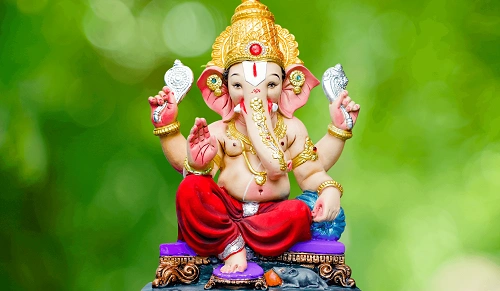
1. Ganesha Is Worshipped Before All Other Gods
In Hindu tradition, no major ritual or auspicious work begins without first worshipping Ganesha. This is not just a rule; it reflects his role as the remover of obstacles. The idea is simple—clear the path before you walk it.
Spiritually, it also means calming the mind before starting anything important. By remembering Ganesha first, people symbolically remove confusion, ego, and fear. That is why he is called Vighnaharta—the one who removes obstacles.
2. His Elephant Head Represents Intelligence and Memory
The elephant is known for sharp memory, patience, and strength. Ganesha’s elephant head symbolizes wisdom that is calm, not aggressive. It teaches people to think before acting and to remember lessons from the past.
The large head also suggests the importance of knowledge over physical power. Ganesha does not fight wars like other gods. His strength lies in understanding and strategy, not violence.
3. His Broken Tusk Has a Deep Meaning
One of Ganesha’s tusks is broken, and this is not a flaw—it is a lesson. According to legend, Ganesha broke his own tusk to continue writing the Mahabharata when his pen failed.
The broken tusk represents sacrifice for a higher purpose. It teaches that sometimes we must give up something small to achieve something greater. It also symbolizes accepting imperfection as part of life.
4. Ganesha’s Big Ears Teach an Important Habit
Ganesha’s large ears are not just artistic design. They represent the importance of listening more and speaking less. Wisdom grows when a person listens carefully and absorbs knowledge.
In a noisy world, this lesson feels even more relevant. Ganesha reminds people that understanding comes from attention, not from constant speech.
5. His Small Eyes Symbolize Focus
While Ganesha’s ears are large, his eyes are small. This contrast is intentional. It teaches that while we should listen widely, we should focus narrowly.
Too many distractions weaken the mind. Ganesha’s eyes remind devotees to concentrate on their goals and avoid unnecessary noise and temptation.
6. The Mouse as His Vehicle Is Not a Joke
Ganesha’s vehicle, the mouse, often confuses people. How can such a powerful deity ride such a small animal? The answer lies in symbolism.
The mouse represents desire and restlessness. Ganesha riding the mouse shows control over desires. It teaches that intelligence must guide impulses, not be controlled by them. Even the smallest urges can cause chaos if left unchecked.
7. Ganesha Is Linked with Both Wealth and Knowledge
Ganesha is associated with wisdom, but he is also linked with prosperity. This combination is rare. It suggests that true wealth comes from knowledge and right thinking.
Unlike blind fortune, Ganesha’s blessings are earned through discipline, learning, and ethical action. That’s why students, writers, and businesspeople all worship him.
8. Ganesh Chaturthi Was Once a Quiet Festival
Today, Ganesh Chaturthi is grand and loud, but it was once celebrated quietly within homes. Public celebrations became popular during India’s freedom movement as a way to unite people.
The festival reminds people that devotion can be personal or collective. The real meaning lies not in size or noise, but in sincerity and reflection.
9. Ganesha Represents Balance in Life
Ganesha’s form is a perfect balance of opposites—large and small, heavy and light, strength and softness. He enjoys sweets but also practices discipline. He is playful yet deeply wise.
This balance teaches that life does not require extremes. Success comes from harmony between enjoyment and responsibility.
10. Ganesha Is a Symbol, Not Just a Story
Beyond mythology, Ganesha represents the ideal human mind—calm, thoughtful, disciplined, and compassionate. His stories are not meant to be taken only literally.
They are tools for understanding life, choices, and consequences. That is why Ganesha remains relevant even today, across cultures and generations.
Final Thought
Lord Ganesha is not just worshipped—he is understood, slowly and deeply. His image may seem simple, but his symbolism is layered and timeless. Every feature carries a message, and every story offers guidance.
When people bow to Ganesha, they are not just asking for blessings. They are reminding themselves to think clearly, act wisely, and walk forward without fear.