 By Hemant Sharma
 Butterflies are some of the most beautiful and fascinating creatures in nature. They look delicate, almost magical, but there is much more going on behind those colorful wings than most people realize. From strange eating habits to unbelievable journeys, butterflies are full of surprises. They may seem simple, but their lives are packed with science, mystery, and fun facts that can easily amaze anyone.
Here are the top 10 fun facts about butterflies that make them far more interesting than they appear.
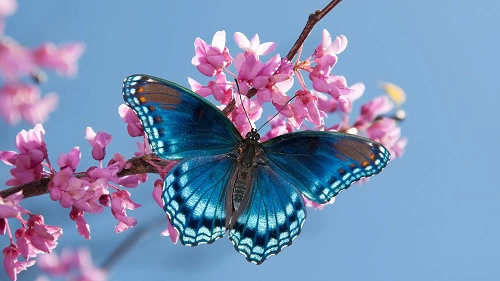
1. Butterflies Taste with Their Feet
Butterflies don’t use their mouths to taste food. Instead, they have taste sensors on their feet. When a butterfly lands on a leaf or flower, it instantly knows whether the plant is safe to eat or a good place to lay eggs.
This ability helps butterflies protect their young. The moment they step on the wrong plant, they can sense danger and fly away. For them, walking is a form of tasting.
2. Butterflies Remember Being Caterpillars
When a caterpillar turns into a butterfly, its body changes completely. Yet, scientists have discovered that butterflies can remember things they learned as caterpillars.
This means memories can survive the transformation inside the cocoon. Even after becoming a butterfly, the insect may avoid certain smells or places it learned were dangerous earlier in life. That’s a big deal for such a small brain.
3. Butterfly Wings Are Actually Transparent
Butterfly wings look bright and colorful, but the wings themselves are transparent. The colors come from thousands of tiny scales that cover the wings.
These scales reflect light in different ways, creating blues, reds, yellows, and patterns. If you remove the scales, the wing underneath is clear. The beauty of a butterfly is really a clever light trick.
4. Some Butterflies Travel Thousands of Kilometers
Not all butterflies stay in one place. Some species migrate long distances. The monarch butterfly is famous for traveling thousands of kilometers during migration.
What makes this even more amazing is that no single butterfly completes the entire journey. It takes several generations to finish the trip. Somehow, each new generation knows where to go without ever being taught.
5. Butterflies Can’t Fly If They’re Cold
Butterflies are cold-blooded insects. That means they need warmth to move. If the temperature is too low, they can’t fly at all.
That’s why you often see butterflies resting with their wings open in the sun. They are warming up their bodies, almost like charging a battery, before taking off again.
6. Butterflies Don’t All Eat Nectar
Most people think butterflies only drink nectar from flowers, but that’s not true. Some butterflies prefer tree sap, rotting fruit, or even animal dung.
A few species are attracted to sweat and tears because they need salt and minerals. That’s why butterflies sometimes land on people. They’re not being friendly—they’re looking for nutrients.
7. The Short Life of a Butterfly Is Misleading
Many butterflies live only a few weeks, which makes them seem fragile. But some species live much longer than people expect.
Migrating butterflies, like monarchs, can live up to eight or nine months. That long life helps them complete their journey and reproduce. So while some butterflies are short-lived, others are surprisingly long survivors.
8. Butterflies See More Colors Than Humans
Butterflies can see ultraviolet light, which humans cannot. This helps them spot flowers and other butterflies more easily.
Flowers often have ultraviolet patterns that act like landing guides for butterflies. What looks like a plain flower to us may appear covered in glowing signs to a butterfly’s eyes.
9. Caterpillars Eat Way More Than Butterflies
The caterpillar stage is all about eating. A caterpillar can eat many times its own body weight in a single day. Its main job is to grow as much as possible.
Butterflies, on the other hand, eat very little. Some species don’t eat at all once they become butterflies. Their adult life is focused on reproduction, not feeding.
10. Butterflies Are Important Pollinators
While bees get most of the attention, butterflies also help pollinate plants. As they move from flower to flower, they carry pollen with them.
They are especially important for certain wild plants. Without butterflies, many ecosystems would struggle to survive. Their beauty hides a very important job.
Final Thought
Butterflies may look gentle and simple, but their lives are full of surprises. They remember past lives, travel incredible distances, see invisible colors, and taste with their feet. Every flutter tells a story of survival, change, and quiet intelligence.
The next time a butterfly passes by, it’s worth pausing for a moment. You might be looking at one of nature’s most impressive little wonders.