 By Hemant Sharma
 Fashion may look like it’s all about clothes, trends, and appearance, but in reality, it is a mirror of society. What people wear often reflects history, culture, technology, and even power. Long before fashion shows and brand names existed, clothing already carried meaning. It showed status, profession, beliefs, and sometimes rebellion.
What makes fashion truly interesting is how it constantly changes while quietly repeating itself. Old ideas return with new names. Practical clothing turns stylish. Small choices influence entire generations. Below are the top 10 interesting facts about fashion, explained in depth, showing how much more there is behind what we wear every day.
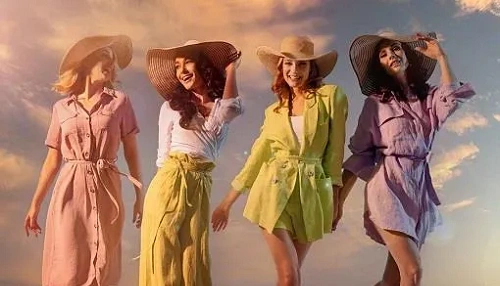
1. Fashion Trends Always Come Back
One of the most surprising facts about fashion is that very little is truly new. Trends repeat themselves every 20 to 30 years. Bell-bottoms, high-waist jeans, oversized jackets, and even chokers have all returned after disappearing for decades.
This happens because fashion is closely tied to memory and nostalgia. Designers often revisit old styles and adapt them for modern tastes. What once felt outdated suddenly feels fresh again, proving that fashion moves in cycles, not straight lines.
2. High Heels Were Originally Made for Men
Today, high heels are mostly associated with women, but they were first worn by men. In the past, heels were used by soldiers and horse riders to keep their feet secure in stirrups.
Later, heels became a symbol of power and status among wealthy men. Over time, fashion shifted, and heels slowly became part of women’s clothing. What we now see as feminine was once a sign of masculinity and authority.
3. Purple Was Once the Most Expensive Color
In ancient times, purple clothing was incredibly rare and expensive. The dye was made from sea snails, and thousands of them were needed to produce a small amount of color.
Because of this, purple became a symbol of royalty and power. Only kings, queens, and nobles could afford it. Even today, purple is often associated with luxury, showing how fashion memories last for centuries.
4. Buttons Were Once Decorative, Not Useful
Buttons existed long before they were used to fasten clothes. For many years, they were purely decorative and showed wealth.
The more buttons someone wore, the richer they were assumed to be. Functional buttons came much later. This shows that fashion often values appearance before practicality, even when better solutions exist.
5. Jeans Were Invented for Workers, Not Style
Denim jeans were originally designed for laborers like miners and factory workers. They were made strong enough to handle rough conditions and heavy work.
No one imagined jeans would become a global fashion symbol. Today, they are worn by people of all ages, in almost every country. Something created for survival turned into one of the most stylish and flexible clothing items in history.
6. Fashion Reflects Major Historical Events
Wars, economic crises, and social movements have always influenced fashion. During difficult times, clothing becomes simpler and more practical.
For example, during wars, fabric was limited, so outfits became shorter and less decorative. After hard periods, fashion often becomes bold and expressive again. Clothing silently records history, even when people forget the details.
7. Fashion Was Once a Strict Social Rule
In many societies, what you wore was controlled by law. These were known as dress laws, and they decided who could wear certain fabrics, colors, or designs.
Common people were not allowed to dress like nobles. Clothing clearly showed social rank. Breaking these rules could lead to punishment. Today’s freedom in fashion is a modern privilege, not an ancient one.
8. The First Fashion Magazines Appeared Centuries Ago
Fashion magazines are not a modern invention. The first known fashion publications appeared in the 17th century.
They were used to spread style ideas among the elite. Instead of photographs, they used illustrations. Even back then, people followed trends and looked to printed media for inspiration, just as they do today with social media.
9. Traditional Clothing Influences Modern Fashion
Many modern fashion designs are inspired by traditional clothing from different cultures. Patterns, fabrics, and silhouettes often come from centuries-old styles.
Designers adapt these elements for modern wear, blending old traditions with new ideas. Fashion constantly borrows from the past, even when it claims to be forward-looking.
10. Fashion Is a Form of Silent Communication
What you wear sends a message, even when you say nothing. Clothing can show confidence, rebellion, belonging, or creativity.
Uniforms represent discipline. Casual wear suggests comfort. Bold styles attract attention. Fashion is one of the fastest ways humans communicate identity without words. That is why it matters far beyond trends.
Final Thought
Fashion is not shallow. It is layered, historical, and deeply human. Behind every outfit is a story shaped by culture, economy, and time. What starts as necessity becomes expression. What begins as tradition becomes trend.
The next time you choose what to wear, remember this: you’re not just picking clothes. You’re participating in a history that has been unfolding for thousands of years.