 By Hemant Sharma
 Chhattisgarh is often called the heart of central India, yet it remains one of the country’s least understood states. Rich in forests, minerals, tribal culture, and ancient history, Chhattisgarh feels deeply rooted in the past while quietly shaping the future. It is a land where rivers carve through dense jungles, traditions survive untouched, and natural wealth lies beneath the soil.
Formed as a separate state in 2000, Chhattisgarh is young in administrative terms but ancient in culture. These ten facts reveal why Chhattisgarh is far more than a quiet state on the map—it is a place of depth, resilience, and remarkable identity.
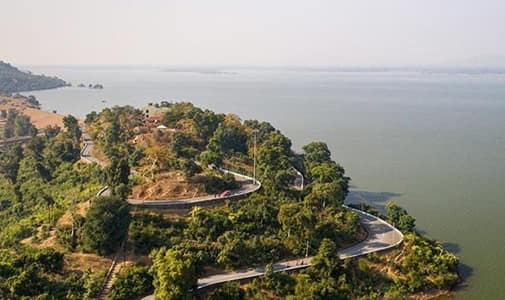
1. Chhattisgarh Is Known as the “Rice Bowl of India”
Chhattisgarh earns the title “Rice Bowl of India” for a reason.
Rice is the staple crop here, and the state grows hundreds of indigenous rice varieties. Many villages still preserve traditional seeds passed down through generations. Farming methods often depend on monsoon rhythms and age-old practices rather than heavy machinery.
Rice is not just food in Chhattisgarh—it is culture. Festivals, rituals, and local customs revolve around sowing and harvesting cycles, reflecting a deep connection between people and land.
2. Forests Cover Nearly One-Third of the State
Chhattisgarh is one of India’s most forest-rich states.
Around 44% of its total area is covered by forests, making it a biodiversity hotspot. These forests support wildlife, tribal livelihoods, medicinal plants, and entire ecosystems that still function naturally.
For many communities, forests are not resources to exploit but living spaces that provide food, shelter, medicine, and spiritual meaning.
3. Chhattisgarh Has a Large Tribal Population
Tribal communities form the cultural backbone of Chhattisgarh.
Nearly one-third of the state’s population belongs to Scheduled Tribes. Groups like the Gonds, Murias, Halbas, and Baigas have lived here for centuries, preserving unique languages, customs, art forms, and belief systems.
Tribal life here is closely tied to nature, with traditions that emphasize balance, respect, and sustainability rather than dominance over the environment.
4. Bastar Is Famous for Its Distinct Tribal Culture
Bastar is one of the most culturally rich regions in India.
It is known for vibrant tribal dances, traditional music, unique festivals, and handicrafts made from wood, metal, and natural fibers. Bastar Dussehra, unlike the rest of India, celebrates tribal deities and lasts for weeks.
Bastar’s culture stands apart because it evolved with minimal outside influence, preserving practices that feel ancient yet alive.
5. Chitrakote Waterfall Is Called the “Niagara of India”
Chitrakote Waterfall is the widest waterfall in India.
Located on the Indravati River, it stretches across a massive width during the monsoon season, creating a breathtaking sight. The roaring water, surrounded by forests, makes it one of the most spectacular natural attractions in central India.
Unlike crowded tourist spots, Chitrakote still feels raw and untouched, adding to its beauty.
6. Chhattisgarh Is Rich in Minerals
Beneath its forests lies immense mineral wealth.
Chhattisgarh is one of India’s leading producers of coal, iron ore, limestone, and bauxite. These resources power industries across the country, including steel and electricity generation.
At the same time, this mineral richness presents challenges—balancing development with environmental protection and tribal rights remains a crucial issue for the state.
7. Ancient Civilizations Thrived Here
Chhattisgarh has deep historical roots.
Sites like Sirpur reveal that advanced civilizations flourished here more than a thousand years ago. Sirpur was once a major center of Buddhism, Hinduism, and trade, with monasteries, temples, and educational institutions.
These ruins show that Chhattisgarh was not isolated—it was connected to major cultural and intellectual networks of ancient India.
8. Folk Arts Are a Way of Life
Art in Chhattisgarh is not confined to galleries.
Wall paintings, clay sculptures, metal casting, weaving, and wood carving are part of everyday life. Art is created for homes, rituals, and community spaces rather than for commercial display.
This functional approach to art keeps traditions alive and ensures skills are passed naturally from one generation to the next.
9. The State Has Some of India’s Least Explored Wildlife Areas
Chhattisgarh is home to dense forests and protected wildlife zones.
Places like Kanger Valley National Park feature caves, waterfalls, rare species, and thick jungle landscapes. These areas remain relatively unexplored compared to famous national parks elsewhere in India.
The untouched nature of these regions makes them ecologically valuable and visually stunning.
10. Chhattisgarh Is a Young State with an Old Soul
Chhattisgarh became a separate state in 2000.
Despite its young political identity, its cultural and historical roots stretch back thousands of years. This contrast makes Chhattisgarh unique—a modern state still guided by ancient rhythms of land, forest, and community.
Development is slowly growing, but tradition continues to shape everyday life more strongly than rapid urbanization.
Conclusion
Chhattisgarh is a land of quiet strength. It doesn’t demand attention, yet it holds immense natural wealth, cultural depth, and historical significance. Its forests breathe life into central India, its tribal communities preserve ancient wisdom, and its rivers and waterfalls shape breathtaking landscapes.
To understand Chhattisgarh is to understand a different pace of life—one that values balance over speed and continuity over noise. In a fast-changing country, Chhattisgarh stands as a reminder that progress does not always mean leaving the past behind. Sometimes, it means carrying it forward with care.