 By Hemant Sharma
 Ladakh is not just a destination; it is an experience that feels almost unreal. Sitting high in the Himalayas, Ladakh looks more like another planet than a part of India. Bare mountains, deep blue skies, silent monasteries, and crystal-clear lakes define this cold desert region. Life here is slow, resilient, and deeply connected to nature.
Often called the “Land of High Passes,” Ladakh challenges both the body and the mind. Oxygen is thin, weather is harsh, and distances are vast. Yet people have lived here for centuries, adapting beautifully to extreme conditions. These ten facts explain why Ladakh is one of the most fascinating regions in India.
1. Ladakh Is One of the Highest Inhabited Regions on Earth
Ladakh is among the highest permanently inhabited regions in the world.
Many villages here are located at altitudes above 3,000 meters, and some settlements exist even higher. Leh, the capital, sits at around 3,500 meters above sea level. At this height, oxygen levels are much lower than in the plains.
This is why visitors often experience breathlessness and fatigue. Locals, however, are naturally adapted to these conditions. Their bodies have evolved over generations to function efficiently with less oxygen, making Ladakh a remarkable example of human adaptation.
2. Ladakh Is a Cold Desert
Despite being surrounded by mountains and snow, Ladakh is technically a desert.
It receives very little rainfall because the Himalayas block monsoon clouds. Most of its moisture comes from snow rather than rain. This combination of cold temperatures and dryness gives Ladakh the title of a cold desert.
Vegetation is sparse, and agriculture is limited to short summer months. Yet within this harsh environment, people grow barley, peas, and vegetables using traditional irrigation systems that channel glacier meltwater.
3. Ladakh Has a Deep Buddhist Influence
Buddhism plays a central role in Ladakhi culture.
The region is dotted with ancient monasteries that sit dramatically on hilltops. These monasteries are not just religious centers but also hubs of education, art, and community life.
Places like Thiksey Monastery and Hemis Monastery preserve centuries-old traditions, scriptures, and rituals. The calm, prayer-filled atmosphere of these monasteries shapes Ladakh’s peaceful character.
4. Ladakh Was Once a Key Stop on the Silk Route
Ladakh’s remote location did not isolate it historically—it connected it.
For centuries, Ladakh lay along important branches of the Silk Route. Traders from Central Asia, Tibet, China, and India passed through, exchanging goods like silk, spices, wool, and precious stones.
This trading history made Ladakh culturally rich and diverse. Influences from Tibetan, Central Asian, and Indian traditions are still visible in local architecture, clothing, and cuisine.
5. Pangong Lake Changes Color Throughout the Day
Pangong Lake is one of Ladakh’s most iconic sights.
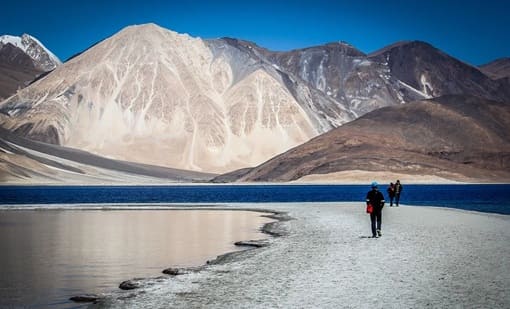
Located at an altitude of over 4,200 meters, this high-altitude lake stretches across India and China. What makes Pangong truly magical is its changing colors. Depending on sunlight and time of day, the lake appears deep blue, turquoise, green, or even gray.
Despite its stunning beauty, Pangong Lake remains frozen for much of the year, reminding visitors how extreme Ladakh’s climate really is.
6. Ladakh Has Extremely Harsh Winters
Winters in Ladakh are long and unforgiving.
Temperatures often drop to –30°C or lower, especially in regions like Dras, one of the coldest inhabited places in the world. Roads close due to heavy snowfall, cutting off Ladakh from the rest of India for months.
During winter, life slows down completely. Locals rely on stored food, dried vegetables, and strong community bonds. This seasonal isolation has shaped Ladakh’s culture of self-reliance and cooperation.
7. Ladakh Is Home to Rare Wildlife
Despite its barren appearance, Ladakh supports unique wildlife.
Animals like the snow leopard, Tibetan wolf, Himalayan blue sheep, and wild yak roam these high-altitude landscapes. Many species are specially adapted to survive cold temperatures and low oxygen.
Protected areas such as Hemis National Park play a crucial role in conserving these rare animals. Ladakh is considered one of the best places in the world to spot snow leopards in the wild.
8. Ladakhi Culture Emphasizes Simplicity and Balance
Life in Ladakh follows the rhythm of nature.
People live simply, conserving resources and avoiding waste. Traditional homes are built to retain heat, and clothing is designed for extreme cold. Food is seasonal and often preserved for winter use.
Festivals, music, and dances reflect gratitude toward nature and spiritual balance rather than excess. This way of life offers a powerful lesson in sustainability long before the word became fashionable.
9. Ladakh Became a Union Territory in 2019
Until 2019, Ladakh was part of the state of Jammu and Kashmir.
It was reorganized into a separate Union Territory to improve administration and development. This change brought greater national focus to Ladakh’s infrastructure, tourism, and strategic importance.
However, locals continue to emphasize the need for development that respects Ladakh’s fragile ecology and cultural identity.
10. Ladakh Feels More Like a Different World Than a Place
What truly sets Ladakh apart is its atmosphere.
The silence is deep. The sky is clearer than most places on Earth. Nights are filled with stars, and days are bathed in sharp sunlight. The absence of noise, crowds, and distractions makes Ladakh feel timeless.
Many visitors describe Ladakh as spiritually transformative. It’s not just about landscapes—it’s about perspective. Ladakh forces you to slow down and reflect.
Conclusion
Ladakh is not an easy place to live or visit, and that is exactly what makes it special. Its people, culture, and ecosystems have adapted to conditions that test human limits. Every mountain, monastery, and frozen river tells a story of endurance and harmony with nature.
In a world moving faster every day, Ladakh stands still—quiet, vast, and honest. It reminds us that comfort is not the only path to happiness, and simplicity is not weakness. Ladakh is more than a destination. It is a lesson in resilience, balance, and respect for the natural world.