 By Hemant Sharma
 Hyderabad is a city that carries centuries of history while moving confidently into the future. It is one of those rare places where old stone monuments and glass IT towers exist side by side without conflict. Walk through its streets and you will hear different languages, smell rich spices, and see traditions that refuse to fade.
Hyderabad is not just a city—it is a layered experience. It has been ruled by sultans and nizams, shaped by trade and culture, and transformed by technology and global business. These ten facts explore Hyderabad beyond surface-level tourism and help explain why it remains one of India’s most fascinating urban centers.
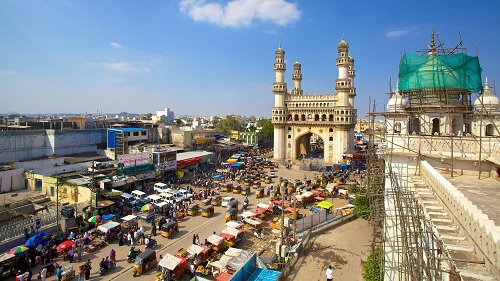
1. Hyderabad Was Founded More Than 400 Years Ago
Hyderabad was founded in 1591 by Muhammad Quli Qutb Shah of the Qutb Shahi dynasty. The city was planned as a cultural and commercial center, with wide roads, gardens, and public spaces.
Unlike many cities that grew randomly over time, Hyderabad was carefully designed from the beginning. Its original layout reflected Persian influence, blended with local Indian architecture. This planned origin still shapes the Old City today.
2. Charminar Is More Than a Monument
The Charminar is Hyderabad’s most iconic structure, but it is not just a tourist attraction. Built at the heart of the city, it was designed as both a ceremonial gateway and a mosque.
Some historians believe it was constructed to mark the end of a deadly epidemic. Others say it symbolized the founding of the city. Either way, Charminar remains the spiritual and cultural center of old Hyderabad, surrounded by bustling markets that never sleep.
3. Hyderabad Was Once One of the Richest Cities in the World
During the rule of the Nizams, Hyderabad was among the wealthiest cities on Earth. The Nizam of Hyderabad was once considered the richest man in the world.
This wealth came from diamonds, pearls, trade routes, and skilled craftsmanship. The famous Golconda mines supplied diamonds to global markets, including some of the world’s most famous gems.
4. Golconda Fort Was Nearly Impossible to Conquer
Golconda Fort was a military masterpiece. Built with advanced acoustic design, even a small sound at its entrance could be heard at the top of the fort.
Its complex defense system, water supply, and high walls made it nearly impossible to invade. The fort also played a key role in protecting the diamond trade that made the region famous worldwide.
5. Hyderabad Is the Birthplace of Hyderabadi Biryani
Hyderabadi biryani is not just food—it is an emotion. This dish developed in the royal kitchens of the Nizams, blending Persian cooking techniques with Indian spices.
The slow-cooking dum method locks in flavor and aroma. Today, Hyderabad is globally known for biryani, and locals take its quality very seriously.
6. Hussain Sagar Lake Connects Two Cities
Hussain Sagar Lake was built in the 16th century to supply drinking water. Today, it sits between Hyderabad and Secunderabad, acting as a symbolic bridge between the two cities.
The massive Buddha statue standing in the middle of the lake represents peace and unity. The lake also reflects Hyderabad’s ability to blend history with modern urban life.
7. Hyderabad Is a Major IT and Startup Hub
Often called Cyberabad, Hyderabad is one of India’s leading technology centers. Global companies and startups operate side by side here.
What sets Hyderabad apart is its balance. While it attracts international talent and investment, it also maintains a relatively affordable cost of living compared to other metro cities. This balance fuels rapid but stable growth.
8. Ramoji Film City Is One of the Largest in the World
Ramoji Film City, located near Hyderabad, is one of the largest film studio complexes in the world. It includes sets, studios, hotels, and even entire streets built for cinema.
Thousands of films, TV shows, and commercials have been produced here. It highlights Hyderabad’s strong role in India’s entertainment industry.
9. Hyderabad Is Famous for Pearls, Not Just Diamonds
Hyderabad is often called the City of Pearls. While diamonds brought wealth, pearls shaped the city’s identity.
Pearl trading and jewelry craftsmanship flourished under royal patronage. Even today, Hyderabad is one of India’s main centers for pearl jewelry.
10. Hyderabad Is a City of Cultural Harmony
Hyderabad has long been a meeting point of cultures—Hindu, Muslim, Persian, Telugu, Urdu, and Deccani influences all coexist.
Festivals of different religions are celebrated with shared enthusiasm. Language, food, and customs overlap naturally. This cultural harmony is not forced—it has grown organically over centuries.
Conclusion
Hyderabad is not defined by one era or one identity. It is a city shaped by kings and coders, by poets and programmers, by spices and software. Its strength lies in its ability to adapt without forgetting where it came from.
Whether you look at its ancient forts or modern skyscrapers, Hyderabad tells the same story: progress does not mean erasing the past. It means carrying it forward with confidence and pride.