 By Meghna Sharma
India’s tea culture stretches from the misty Himalayan slopes of Darjeeling and Kangra to the Brahmaputra plains of Assam and the cool highlands of the Nilgiris and Munnar. Altitude, rainfall, soil and processing style shape each cup, which is why Indian tea can taste floral, brisk, malty, fruity, woody or deeply full-bodied. Tea is also part of everyday life, from delicate first-flush leaves served without milk to strong masala chai simmered with ginger and cardamom.
In 2026, buyers are paying more attention to origin, freshness, processing method and traceability. The best tea is not always the most expensive one; it should suit the way you actually drink it, whether plain, with milk, iced or spiced. Regional names and processing terms can also be confusing, so this guide keeps them simple and practical. Now, let’s check out the top 10 tea varieties in India.
1. Darjeeling Tea
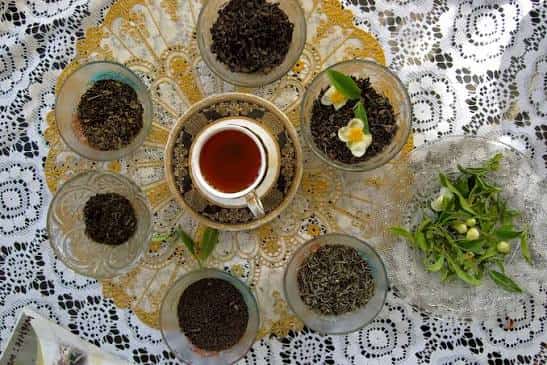
Darjeeling is India’s most famous high-grown specialty tea and is protected as a Geographical Indication. Different seasonal flushes can range from delicate spring freshness to the muscatel character associated with prized summer teas.
- Origin: Darjeeling hills, West Bengal.
- Flavour: Floral, brisk and layered, with pale lemon to amber liquor.
- Best way to drink: Brew lightly and usually without milk so the aroma stays clear.
- Buyer tip: Look for genuine Darjeeling origin information and Tea Board certification or licensing.
2. Assam Tea
Assam tea is bold, dark and famously malty. Grown mainly in the Brahmaputra valley, it forms the backbone of countless Indian breakfast blends and strong milk teas.
- Origin: Assam, especially the Brahmaputra valley.
- Flavour: Brisk, strong, malty and full-bodied with deep amber liquor.
- Best way to drink: Excellent with milk or as the base for masala chai.
- Processing: Both CTC and orthodox teas are produced; Assam Orthodox has GI protection.
3. Nilgiri Tea
Nilgiri tea comes from the Blue Mountains of southern India and is prized for fragrance and brightness. Its balanced flavour makes it useful both as a specialty tea and in blends.
- Origin: Nilgiri Hills of southern India.
- Flavour: Fragrant and brisk, often with light fruity and minty notes.
- Best way to drink: Good plain, with a little milk or as iced tea.
- Processing: Both CTC and orthodox styles are made; Nilgiri Orthodox is GI registered.
4. Kangra Tea
Kangra is one of India’s smaller mountain tea regions. Grown beneath the Dhauladhar range in Himachal Pradesh, its teas are known for gentle fruitiness and a clean, refined cup.
- Origin: Kangra Valley, Himachal Pradesh.
- Flavour: Fruity and aromatic; black tea can leave a sweet lingering finish.
- Best way to drink: Preferably plain, especially for first-flush and premium leaf teas.
- Sourcing: Kangra Tea is GI registered, so origin-labelled packs are preferable.
5. Dooars-Terai Tea
Dooars-Terai tea grows in the Himalayan foothills below Darjeeling. It offers a useful middle ground between Assam’s power and Darjeeling’s delicacy, making it an excellent everyday black tea.
- Origin: Dooars and Terai belt of northern West Bengal.
- Flavour: Bright, smooth and full-bodied, generally lighter than Assam.
- Best way to drink: Works well plain, with milk or in breakfast blends.
- Buyer tip: Choose recently packed tea because aroma fades after long storage.
6. Sikkim Tea
Sikkim tea is produced in much smaller quantities than Assam or Darjeeling, giving it a boutique appeal. Temi is the state’s best-known estate, and seasonal teas can range from light spring cups to fuller autumn styles.
- Origin: Sikkim, with Temi as its historic flagship estate.
- Flavour: Light, flowery and smooth, often with a gently sweet finish.
- Best way to drink: Use little or no milk for specialty grades.
- Styles: Black, green, white and oolong teas are produced in the state.
7. Munnar Tea
Munnar’s cool Western Ghats landscape gives its tea a brisk but rounded character. Higher-grown orthodox lots can be surprisingly aromatic and are worth exploring beyond the usual Kerala milk-tea blends.
- Origin: Munnar and surrounding high ranges of Kerala.
- Flavour: Strong-bodied and brisk; some orthodox teas show biscuit, malt and light fruit notes.
- Best way to drink: Good plain or with a modest amount of milk.
- Buyer tip: Estate-packed orthodox tea is useful for tasting Munnar’s regional character.
8. Tripura Tea
Tripura is a less-publicised but established tea-producing state in northeast India. It mainly produces strong CTC tea suited to the familiar milk-and-sugar cup preferred in many Indian homes.
- Origin: Tripura, northeast India.
- Style: Predominantly robust CTC tea with quick colour and strength.
- Best way to drink: Well suited to milk tea, ginger tea and spiced chai.
- Production note: Smaller quantities of green tea are also produced.
9. Indian Green Tea
Green tea is a processing style rather than a single growing region. The leaves are heated soon after plucking to limit oxidation, producing a lighter and fresher cup than most black teas.
- Where it is made: Several Indian regions, including Kangra, Sikkim, Darjeeling, Assam and southern India.
- Flavour: Ranges from grassy and vegetal to floral, nutty or lightly sweet.
- Best way to brew: Use water below a rolling boil and avoid over-steeping.
- Wellness note: Contains caffeine and tea polyphenols, including catechins, but should not be treated as medicine.
10. Masala Chai
Masala chai is not a growing-region tea, but it is one of India’s most recognised tea styles. A strong black tea is simmered with milk, sugar and spices to create a warming, full-bodied cup.
- Tea base: Assam CTC or another strong Indian black tea works particularly well.
- Common spices: Ginger, cardamom, cinnamon, clove, black pepper or fennel.
- Flavour: Spicy, malty, warming and full-bodied.
- Buyer tip: For premixes, check whether real spices are used and watch added sugar.
Practical Buyer’s Guide: How to Choose Good Tea
Good tea starts with fresh, correctly stored leaves. Whether you buy from an estate, tea shop, supermarket or online seller, a few checks can protect both flavour and value.
- Check origin: Premium regional teas should clearly state the growing region and, where relevant, estate or flush.
- Read the pack date: Tea keeps well, but fresher packs usually give a livelier aroma.
- Inspect and smell: Leaves should smell clean, not damp, musty or stale.
- Store properly: Use an airtight container away from heat, sunlight, moisture and strong spices.
Conclusion
India’s tea diversity goes far beyond the everyday milk-tea cup. Darjeeling, Assam, Nilgiri, Kangra, Sikkim, Dooars-Terai, Munnar and Tripura each offer a distinct regional character, while green tea and masala chai show how processing and preparation change the experience. Buy fresh, brew appropriately and explore tea by origin rather than price alone.
Frequently Asked Questions
Q. Which tea is considered the most premium tea in India?
Darjeeling is India’s most internationally recognised premium tea, particularly selected first-flush and second-flush lots. Price varies by estate, season, grade and scarcity.
Q. Which Indian tea is best for milk tea or chai?
Assam CTC is one of the best choices because its malty strength remains noticeable after milk and sugar. Strong Tripura and Dooars teas also work well.
Q. What is the difference between Darjeeling and Assam tea?
Darjeeling is generally lighter, more aromatic and floral or muscatel. Assam is darker, stronger, fuller-bodied and maltier, making it better suited to milk.
Q. How can buyers identify authentic Darjeeling tea?
Buy from reliable sellers and check for clear Darjeeling origin information plus Tea Board certification or licensing where applicable. Be cautious with very cheap ‘Darjeeling blend’ products.