 By Hemant Sharma
 Brunettes are everywhere, yet they are often taken for granted. Brown hair blends so naturally into the world that people forget how complex and fascinating it really is. Being a brunette is not just about hair color. It connects to genetics, history, psychology, and even how people are perceived in society. Below are the top 10 facts about brunettes, explained in depth, to show why this hair color is anything but ordinary.
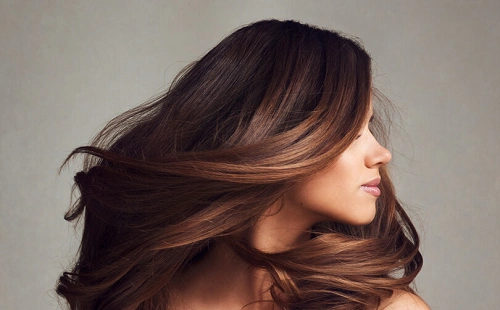
1. Brunettes make up the majority of the world’s population
Brunettes are the most common hair group on Earth. A large portion of people across Asia, Africa, Europe, and the Americas naturally have brown hair. This dominance exists because the genes responsible for brown hair are stronger than those for blonde or red hair. Over thousands of years, these dominant genes spread widely, making brunettes the global majority.
Being common does not mean being boring. It means brown hair adapted well across different climates and regions, allowing it to thrive almost everywhere humans settled.
2. Brunette hair has incredible shade variety
One of the most overlooked facts about brunettes is how many shades exist. Brunette hair ranges from light brown and honey brown to chestnut, chocolate, espresso, and nearly black. Some brunettes have warm golden or reddish undertones, while others have cool, ash-based tones.
This wide range makes brunette hair highly versatile. Two brunettes can stand side by side and still have completely different-looking hair colors.
3. Brunette hair reacts beautifully to sunlight
Brunette hair changes character in natural light. Sunlight gently breaks down melanin, creating natural highlights. This is why many brunettes notice their hair becoming lighter or warmer during summer months without using dye.
Unlike very light hair, which can look washed out, or very dark hair, which may stay flat-looking, brunette hair reflects light in layers. This gives it depth and movement.
4. Brunettes are often perceived as more trustworthy
Psychological studies and social observations suggest that brunettes are often seen as more reliable, grounded, and approachable. While these traits have nothing to do with actual personality, human perception plays a big role in first impressions.
In professional settings, brunettes are sometimes viewed as more serious or competent compared to people with extreme hair colors. These perceptions are shaped by culture, not truth—but they still influence real-world interactions.
5. Brunette hair often looks thicker and fuller
Brown hair tends to create the illusion of volume. The way light reflects off brunette shades adds depth, making hair appear thicker than it actually is. Even fine brunette hair often looks fuller compared to very light blonde hair, which reflects light more evenly and can appear flat.
This visual thickness is one reason brunettes often suit layered hairstyles and textured cuts so well.
6. Brunettes usually have lower maintenance hair
Natural brunettes often require less upkeep than blondes or brightly colored hair. Roots are less noticeable, fading looks more natural, and color corrections are usually easier. This makes brunette hair more forgiving over time.
Because brown hair holds pigment well, it also responds better to subtle highlights and lowlights without frequent touch-ups.
7. Brunette hair hides damage better
Split ends, dryness, and uneven texture are less obvious in brunette hair compared to very light shades. Brown tones soften the appearance of damage, helping hair look healthier even when it needs care.
This does not mean brunettes can skip hair care—but it does mean imperfections are less visible.
8. Brunettes age more softly in appearance
As brunettes grow older, gray strands often blend more gently during early stages. The transition from brown to gray tends to look softer than the sharp contrast seen in very dark or jet-black hair.
Many brunettes go through a salt-and-pepper phase that looks natural and gradual, which some people even find attractive.
9. Brunettes dominate history and art
Throughout history, most people depicted in ancient art, sculptures, and early paintings had brown hair. This reflects real population traits rather than fashion trends. Brunettes were the standard, not the exception.
Many classical descriptions of beauty across civilizations quietly assumed brown hair as the norm, even if it was not highlighted or romanticized the way blonde or black hair often was.
10. Brunette hair represents balance
Symbolically, brunette hair sits between light and dark. It is neither extreme nor dramatic by default. This balance is one reason brunettes often appear natural, grounded, and adaptable.
Brown hair does not overpower facial features. Instead, it frames them. It allows expressions, eye color, and personality to stand out rather than compete for attention.
Final Thoughts
Brunettes may not always get loud praise, but their strength lies in quiet complexity. Brown hair is adaptable, genetically dominant, visually rich, and deeply rooted in human history. From natural highlights to psychological perceptions, being a brunette comes with advantages that often go unnoticed.
In a world obsessed with extremes, brunettes represent balance. And sometimes, balance is the most powerful trait of all.