 By Hemant Sharma
 Japan is a country that feels both ancient and futuristic at the same time. In one moment, you might see a centuries-old temple standing quietly among trees. In the next, you’re surrounded by neon lights, high-speed trains, and cutting-edge technology. This balance between tradition and innovation is what makes Japan so fascinating to the world.
For thousands of years, Japan developed in relative isolation, shaping a culture that values discipline, respect, beauty, and precision. Even today, daily life in Japan is guided by unwritten rules that focus on harmony and responsibility. From food habits to work culture, from architecture to social behavior, Japan often surprises visitors in the most unexpected ways.
Here are the top 10 interesting facts about Japan, explained in detail, revealing why this country continues to amaze people across the globe.
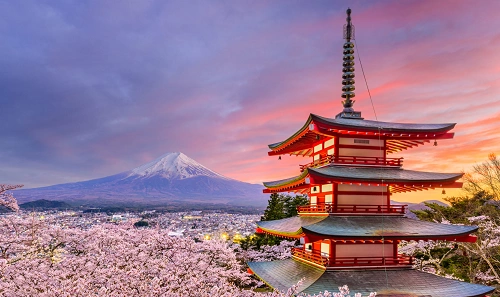
1. Japan Has One of the Oldest Continuous Cultures
Japan’s culture has evolved for more than 2,000 years without losing its core identity. While many civilizations disappeared or merged into others, Japan preserved its traditions through careful adaptation.
Ancient customs like tea ceremonies, calligraphy, kimono-wearing, and seasonal festivals are still practiced today. What makes this unique is that these traditions coexist with modern life. A Japanese person may wear a business suit during the day and traditional attire during festivals, without seeing any contradiction.
2. There Are Over 6,800 Islands in Japan
Japan is not just one landmass—it is an archipelago made up of more than 6,800 islands. However, most of the population lives on four main islands: Honshu, Hokkaido, Kyushu, and Shikoku.
Many smaller islands are uninhabited or home to tiny communities. Some islands are famous for wildlife, some for art, and others for mystery. This island geography has strongly influenced Japan’s food, transport, and regional cultures.
3. Trains in Japan Are Famous for Being Extremely Punctual
Japanese trains are known worldwide for their punctuality. Delays of even one minute often come with formal apologies.
This is not just about technology—it reflects a deep cultural respect for time and responsibility. Train staff take punctuality seriously because being late affects thousands of people. This system has made public transport more trusted than personal vehicles in many cities.
4. Japan Has One of the Lowest Crime Rates in the World
Despite having large, densely populated cities, Japan consistently records very low crime rates. Lost wallets are often returned intact, and children travel alone on public transport from a young age.
This safety is rooted in social responsibility and community trust. From an early age, children are taught discipline, respect for others, and accountability. Law enforcement exists, but social behavior itself prevents most crime.
5. Japan Is Home to the World’s Oldest Company
The world’s oldest known company was founded in Japan in the year 578 and operated for over 1,400 years. Many other Japanese businesses have histories spanning several centuries.
This reflects a long-term mindset. In Japan, businesses often focus on reputation, quality, and continuity rather than short-term profit. Passing a company down through generations is considered an honor and responsibility.
6. Bowing Is More Than Just a Greeting
In Japan, bowing is a complex form of communication. The depth and duration of a bow express respect, apology, gratitude, or formality.
A small bow might be used for casual greetings, while a deep bow shows sincere apology or deep respect. This non-verbal system allows people to communicate emotions without words and plays a major role in social interactions.
7. Japan Experiences Hundreds of Earthquakes Every Year
Japan sits on the Pacific Ring of Fire, making it one of the most earthquake-prone countries in the world. Thousands of minor earthquakes occur every year, though most are too small to be felt.
Instead of fear, Japan focuses on preparation. Buildings are designed to absorb shocks, and citizens are trained from childhood on how to respond during earthquakes. This preparedness saves lives and reduces panic.
8. Convenience Stores Are a Big Part of Daily Life
Japanese convenience stores are very different from those in many other countries. They sell fresh meals, pay bills, offer banking services, and even print documents.
Open 24/7 and found everywhere, these stores are clean, efficient, and reliable. For many people, they are an essential part of daily life, not just a place to buy snacks.
9. Silence Is Valued in Japanese Society
In Japan, silence is not awkward—it is respectful. People often speak softly in public places, especially on trains.
Silence allows space for thought and shows consideration for others. This cultural trait contrasts with louder societies and reflects Japan’s emphasis on harmony and emotional control.
10. Japan Treats Craftsmanship as a Way of Life
Japan deeply respects craftsmanship, whether it involves making swords, cooking food, building furniture, or even cleaning streets.
The idea of mastering one skill over a lifetime is highly valued. This dedication to perfection explains why Japanese products and services are often known for exceptional quality and attention to detail.
Final Thought
Japan is not fascinating because it is perfect. It is fascinating because it is intentional. Every habit, system, and tradition exists for a reason. The country has learned how to move forward without forgetting where it came from.
To understand Japan is to understand balance—between old and new, speed and patience, individuality and community. That balance is what makes Japan endlessly interesting and unforgettable.