 By Hemant Sharma
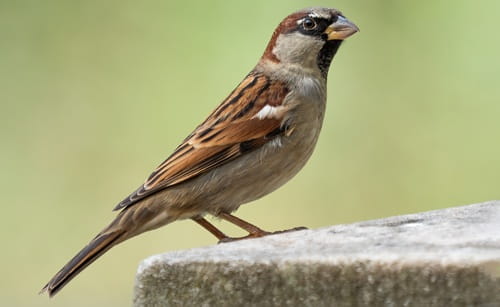
 Sparrows are so common that we often forget to notice them. They hop on sidewalks, sit on electric wires, chatter on rooftops, and disappear into hedges without drawing attention. Unlike exotic birds with bright feathers or dramatic calls, sparrows live quietly beside humans. Yet that very closeness hides an extraordinary story.
Sparrows are survivors. They have adapted to cities, villages, farms, and harsh climates across the world. Their lives are tightly linked to human history, agriculture, and urban growth. These ten interesting facts show that the humble sparrow is far more complex, intelligent, and important than it appears.
1. Sparrows Have Lived Alongside Humans for Thousands of Years
Sparrows didn’t just happen to live near humans—they chose to.
As early humans began farming and storing grain, sparrows found a perfect opportunity. They adapted quickly to human settlements, feeding on leftover grains and nesting in buildings. Over time, sparrows became one of the first wild birds to live almost entirely alongside people.
This long partnership explains why sparrows feel so familiar. They are not forest birds visiting cities. Cities became their natural habitat.
2. There Are Many Species of Sparrows
When people say “sparrow,” they usually imagine just one bird.
In reality, there are many different species of sparrows found across the world. Some live in deserts, others in mountains, grasslands, or dense cities. They vary in size, color, behavior, and song.
What connects them is adaptability. Wherever humans go, some kind of sparrow usually follows.
3. Sparrows Are Extremely Social Birds
Sparrows rarely live alone. They thrive in groups called flocks. These flocks provide safety, warmth, and shared information. When one sparrow finds food, others quickly follow. When danger appears, alarm calls spread instantly.
Living socially also helps sparrows survive cold weather. They often huddle together at night to conserve heat, proving that cooperation can be a survival strategy.
4. Sparrows Are Smarter Than They Look
Despite their small size, sparrows are intelligent birds.
They can recognize patterns, learn routines, and remember food locations. Sparrows quickly understand human behavior—when food appears, when danger is likely, and which places are safe.
In cities, sparrows adapt to traffic noise, crowds, and changing environments. Their ability to learn and adjust is one reason they have survived where many other birds have not.
5. Sparrows Communicate Constantly
The nonstop chirping of sparrows is not random noise.
They use different sounds to communicate danger, food discovery, mating interest, and social bonding. Their calls may sound simple to human ears, but to other sparrows, they carry detailed information.
This constant communication helps flocks stay alert and coordinated, especially in busy urban areas full of threats.
6. Sparrows Build Nests Almost Anywhere
Sparrows are master opportunists when it comes to nesting.
They build nests under roof tiles, inside wall gaps, in streetlights, on shop signs, and even inside unused machinery. Their nests are messy but effective, made from grass, feathers, paper, and whatever materials they can find.
This flexibility allows sparrows to raise chicks even in heavily built-up areas where natural nesting sites are rare.
7. Sparrows Play a Big Role in Ecosystems
Though small, sparrows have a significant ecological role.
They feed on insects during breeding season, helping control pest populations. They also spread seeds and serve as prey for larger birds and animals.
Remove sparrows, and the balance of local ecosystems begins to shift. Their disappearance often signals deeper environmental problems.
8. Sparrows Can Recognize Individual Humans
Studies and observations show that sparrows can recognize human faces.
They remember which humans feed them and which pose a threat. Over time, sparrows become comfortable around familiar people and cautious around strangers.
This ability shows advanced memory and awareness. For such a small bird, sparrows are keen observers of the world around them.
9. Sparrow Populations Are Declining in Many Cities
Despite their adaptability, sparrows are disappearing in many urban areas.
Pollution, loss of nesting spaces, glass buildings, pesticides, and lack of insects have reduced their numbers. Modern architecture often leaves no gaps for nesting, and chemical use reduces food sources.
The decline of sparrows is a warning sign. When the most adaptable birds struggle, it suggests serious environmental stress.
10. Sparrows Symbolize Simplicity and Home
Across cultures, sparrows represent humility, simplicity, and everyday life.
They are not symbols of power or beauty, but of belonging. Writers and poets have often used sparrows to describe ordinary people, quiet resilience, and unnoticed strength.
Their presence reminds us that nature doesn’t always shout. Sometimes it whispers—from rooftops, wires, and small spaces we overlook.
Conclusion
Sparrows are not rare, loud, or colorful—and that is exactly why they matter. They share our streets, homes, and lives without demanding attention. Yet their survival depends heavily on how we shape our environment.
When sparrows thrive, it means our surroundings still support life in small, delicate forms. When they vanish, something important is missing. The sparrow teaches a simple lesson: greatness doesn’t always arrive with spectacle. Sometimes it hops quietly at your feet, chirping about a world we are slowly changing.
If we learn to notice sparrows again, we might learn to take better care of the spaces we all share.