 By Hemant Sharma
 Men are often described in simple terms—strong, logical, emotionally reserved—but psychology paints a far more complex picture. Men feel deeply, think intensely, and form strong emotional bonds, even if they don’t always express these experiences in obvious ways. Social expectations, upbringing, and biology all shape how men process emotions, relationships, stress, and identity.
Understanding men psychologically isn’t about stereotypes. It’s about recognizing patterns that commonly appear across cultures, while still leaving room for individual differences. These ten psychological facts explain how men often think, feel, and respond beneath the surface.
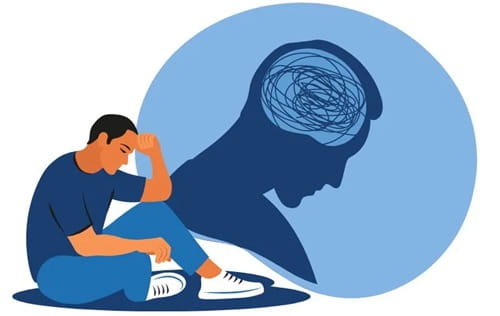
1. Men Feel Emotions as Deeply as Women
Psychology shows that men experience emotions with similar intensity as women.
The difference lies in expression, not feeling. From a young age, many boys are taught to suppress visible emotion—especially sadness, fear, or vulnerability. Over time, this becomes a habit.
As a result, men may feel deeply but express emotions through silence, action, humor, or withdrawal rather than words or tears.
2. Men Often Process Emotions Internally
Men are more likely to think through emotions before talking about them.
Instead of immediately sharing feelings, many men need time alone to mentally organize what they’re experiencing. This internal processing helps them regain control.
This is often misinterpreted as emotional distance, when it’s actually a different coping strategy.
3. Men Bond Through Shared Activity
Psychologically, men often connect through doing, not talking.
Sports, work, gaming, projects, travel, or shared challenges are common bonding routes. Emotional closeness develops indirectly through cooperation and trust built over time.
This is why some men feel closer to friends they “do things with” rather than people they frequently talk to about emotions.
4. Men Are Highly Sensitive to Respect
Respect is a core psychological need for many men.
Feeling useful, capable, and valued strongly affects self-esteem. When men feel disrespected, ignored, or treated as incompetent, it can trigger anger, withdrawal, or defensiveness.
This sensitivity doesn’t mean ego—it reflects a deep link between identity and perceived contribution.
5. Men Experience Stress Physically
Men are more likely to somaticize stress.
Instead of identifying stress as emotional, it often appears as headaches, fatigue, muscle tension, irritability, or sleep problems. Men may say they’re “fine” while their body shows otherwise.
This is why stress-related health issues are common when emotional expression is limited.
6. Men Struggle More with Asking for Help
Psychologically, many men associate asking for help with weakness.
Cultural messages around independence and self-reliance make it harder for men to seek emotional or mental health support—even when they need it.
This doesn’t mean men don’t want help. It means they often don’t know how to ask without feeling exposed.
7. Men Fall in Love Through Trust and Acceptance
For many men, emotional attachment grows when they feel accepted as they are.
Feeling trusted, believed in, and not constantly judged creates emotional safety. Once that safety exists, men can become deeply loyal and emotionally invested.
Love, for many men, is tied to feeling at peace rather than emotionally overwhelmed.
8. Men Use Silence as a Coping Mechanism
Silence doesn’t always mean avoidance.
Psychologically, silence can be a way to:
- Regain emotional balance
- Prevent saying something regrettable
- Think through solutions
While silence can hurt relationships if prolonged, it often begins as self-regulation rather than indifference.
9. Men Are More Affected by Failure Than They Show
Failure hits men hard psychologically.
Because identity is often tied to performance, achievement, or providing, failure can feel like a threat to self-worth. Men may hide this impact to protect their image.
Internally, however, failure can trigger shame, self-doubt, and rumination long after the event.
10. Men Crave Emotional Safety More Than Attention
Contrary to popular belief, many men don’t seek constant admiration.
They seek emotional safety—a space where they don’t have to perform, compete, or prove themselves. When men feel safe, they open up gradually and authentically.
Emotional safety, not pressure, brings out depth.
Conclusion
Psychologically, men are not emotionless or simple. They are often guarded, shaped by expectations that reward control over expression. Their emotional world tends to be quieter, more internal, and more action-oriented—but no less real.
Understanding men requires listening beyond words—watching behavior, respecting silence, and recognizing effort as expression. When men feel safe, respected, and understood, they reveal emotional depth that challenges every stereotype.
Men don’t lack emotion. They’ve just learned different ways to carry it.