 By Hemant Sharma
 The human body is the most complex machine we know—and it runs without instruction manuals. It repairs itself, adapts to new environments, remembers experiences, and even warns us before things go wrong. We live inside this system every day, yet most of its abilities remain unnoticed.
What makes the human body truly amazing is not just strength or intelligence, but coordination. Trillions of cells work together in silence, following biological rules refined over millions of years. These ten amazing facts reveal how extraordinary the human body really is.
1. The Human Body Is Made of Trillions of Cells
Your body is not one thing—it’s a massive community.
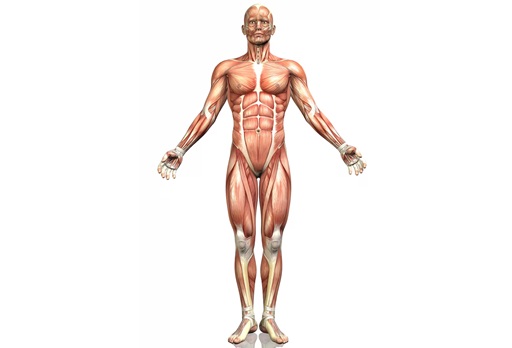
An adult human body contains around 30–40 trillion cells. Each cell performs a specific task, whether it’s carrying oxygen, transmitting signals, fighting infection, or storing energy.
What’s astonishing is coordination. Cells communicate constantly using chemical signals, making decisions faster than any computer network ever built.
2. The Brain Can Generate More Electrical Power Than a Light Bulb
The brain is an electrical organ.
At any given moment, it produces enough electricity to power a small light bulb. Billions of neurons communicate through tiny electrical impulses, allowing you to think, feel, move, and remember.
Despite this power, the brain weighs only about 1.4 kg and uses roughly 20% of the body’s total energy—making it one of the most energy-hungry organs per gram.
3. Your Heart Beats About 100,000 Times a Day
The heart never rests.
It beats around 100,000 times every day and pumps about 7,500 liters of blood through your body daily. Over an average lifetime, the heart beats more than 2.5 billion times.
What’s amazing is reliability. It adjusts automatically—slowing during sleep and racing during exercise—without you having to think about it.
4. Bones Are Stronger Than Steel by Weight
Human bones are incredibly strong.
Pound for pound, bone is stronger than steel. A small piece of bone the size of a matchbox could theoretically support several tons if compressed correctly.
At the same time, bones are living tissue. They constantly break down and rebuild, adapting to stress and healing themselves after injury.
5. Your Stomach Gets a New Lining Every Few Days
Your stomach digests powerful acid strong enough to dissolve metal.
To protect itself, the stomach replaces its inner lining every 3–5 days. Without this rapid renewal, the stomach would digest itself.
This constant regeneration shows how the body balances destruction and repair with incredible precision.
6. You Share More DNA with Bananas Than You Think
Humans share about 60% of their DNA with bananas.
This doesn’t mean we are closely related, but it shows how life uses the same basic biological building blocks across species.
DNA controls fundamental processes like cell growth and energy use, and those processes are surprisingly similar across living organisms.
7. Your Skin Is a Self-Repairing Shield
Skin is the body’s largest organ.
It protects you from infection, regulates temperature, prevents dehydration, and senses the environment. When injured, skin immediately begins repairing itself by forming clots, building new cells, and restoring barriers.
Every few weeks, you essentially grow a new outer layer of skin—without noticing it.
8. The Human Nose Can Remember 50,000 Smells
Your sense of smell is far more powerful than you realize.
The human nose can detect and remember around 50,000 different scents. Smell is also directly connected to memory and emotion, which is why certain scents instantly bring back vivid memories.
This direct brain connection makes smell one of the most emotionally powerful senses.
9. Your Body Produces Enough Heat to Warm a Room
The human body is a heat-generating system.
Even at rest, your body produces heat through metabolism. During physical activity, this heat output increases dramatically.
That’s why crowded rooms warm up quickly—and why sweating is essential to keep internal temperature stable.
10. The Body Can Heal Itself in Ways No Machine Can
The human body is built for survival.
Cuts close, bones mend, infections are fought, and damaged tissues regenerate. White blood cells remember past infections, making future defenses faster and stronger.
Even more impressive is adaptation. The body adjusts to altitude, temperature, diet, stress, and injury—often without conscious effort.
Conclusion
The human body is not fragile—it is resilient, intelligent, and endlessly adaptive. Every breath, heartbeat, and thought depends on processes so precise that even modern science struggles to fully replicate them.
We often take the body for granted until something goes wrong. But when you look closely, the real miracle isn’t just survival—it’s how effortlessly the body keeps you alive, moment after moment.
Understanding these facts doesn’t just increase knowledge. It builds respect for the incredible system you live in every single day.