 By Hemant Sharma
 Buying your first water heater is an important decision that can affect your home’s comfort, energy consumption and daily convenience for years. With so many models, capacities and features available, it is easy for first-time homeowners to focus only on price or appearance while overlooking factors that truly matter. Choosing the wrong unit can lead to higher electricity bills, inconsistent hot water supply and unnecessary maintenance costs. Here are some of the most common water heater buying mistakes and how you can avoid them.
Choosing the Wrong Water Heater Capacity
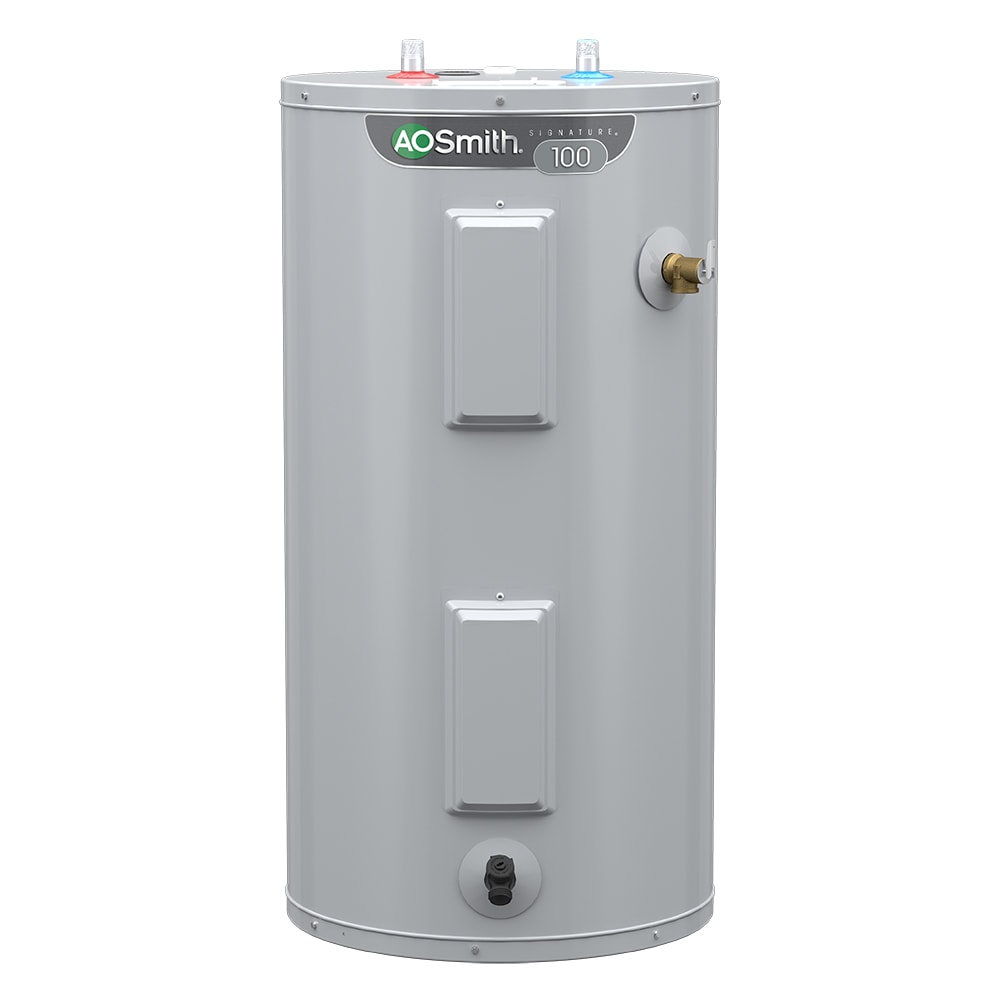
One of the biggest mistakes is selecting a water heater that is either too small or too large for your household.
A small-capacity unit may run out of hot water quickly, especially during busy mornings when multiple family members need hot water. On the other hand, an oversized unit can consume more electricity than necessary.
Consider the number of people in your household, your daily hot water usage and the number of bathrooms before deciding on the right capacity.
Ignoring Energy Efficiency
Many homeowners choose the cheapest option without considering long-term operating costs. An energy-efficient water heater may have a slightly higher upfront cost but can significantly reduce electricity consumption over time.
Look for features such as high energy ratings, efficient insulation and advanced heating technology. These can help maintain water temperature for longer while reducing power usage.
Overlooking Water Quality
The quality of water in your area plays an important role in determining the right water heater.
If your water has a high mineral content, scales can build up inside the heating element and tank over time, reducing efficiency and increasing maintenance requirements. Choosing a model with corrosion resistant materials or suitable protective features can improve durability and extend the appliance’s lifespan.
Not Checking Safety Features
Safety should never be compromised when purchasing a water heater.
Modern models include several important safety features such as thermal cut out protection, pressure release valves and temperature control systems. These features help prevent overheating and ensure safe operation during daily use.
Always review the available safety features before making your purchase.
Ignoring Installation Space
A water heater should fit comfortably within the available installation area while allowing sufficient ventilation and access for servicing.
Many first time homeowners purchase a unit without measuring the installation space, only to discover that it cannot be installed properly. Check the dimensions carefully and decide whether a vertical, horizontal or compact model is more suitable for your bathroom or utility area.
Focusing Only on the Purchase Price
While staying within budget is important, choosing the lowest priced option may not always provide the best value.
A high quality storage water heater built with durable materials, reliable components and better insulation often offers greater performance and lower maintenance costs throughout its lifespan. Consider the total cost of ownership rather than only the initial purchase price.
Forgetting About Maintenance Requirements
Every water heater requires regular maintenance to perform efficiently. Before buying, understand the maintenance needs of the model, including cleaning, periodic inspection and servicing recommendations. Selecting a unit that is easy to maintain can help improve performance and reduce unexpected repair costs.
Final Thoughts
Buying your first water heater does not have to be overwhelming. By choosing the correct capacity, considering energy efficiency, evaluating water quality, checking safety features and planning for proper installation, you can make a smarter investment that delivers reliable hot water for years to come.
Taking the time to compare features instead of focusing only on price ensures you select a water heater that suits your household’s needs, offers better efficiency and provides long term value.