 By Meghna Sharma
India’s orange story stretches from the sunlit orchards of Maharashtra’s Vidarbha region to Punjab’s Kinnow farms, Karnataka’s misty Coorg hills and the citrus-rich landscapes of the North-East. What shoppers casually call an “orange” may actually be a loose-skinned Mandarin (Citrus reticulata), a tight-skinned Sweet Orange (Citrus sinensis) or a citrus hybrid with its own distinctive taste, aroma and peeling quality. ICAR recognizes Nagpur, Coorg, Khasi, Kinnow and Darjeeling mandarins among India’s commercially important citrus types.
In 2026, demand is moving beyond generic supermarket oranges. Consumers are looking for seasonal local fruits, fresh Vitamin C-rich juices, naturally aromatic citrus and GI-tagged produce with a clear regional identity. Juice bars, home cooks and small food businesses are also paying greater attention to juice yield, sweetness, seed content and harvesting season. Choosing the right variety can make a noticeable difference whether you want a breakfast fruit, fresh juice, marmalade or a fragrant dessert. Let’s check out the top 10 orange varieties in India!
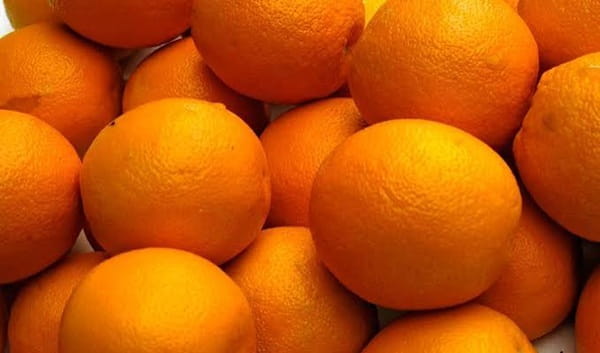
1. Nagpur Santra – Nagpur Mandarin
Nagpur Santra is one of India’s most recognisable citrus fruits and the pride of central India. Its commercial heart lies in Maharashtra’s Vidarbha region, particularly around Nagpur, Katol and nearby citrus belts. ICAR also records Nagpur mandarin cultivation in parts of Madhya Pradesh and Rajasthan.
- Regional Names & Primary Belts: Nagpur Santra, Nagpur Mandarin and Santra; chiefly Vidarbha in Maharashtra, with cultivation extending into central India.
- Botanical Type: Loose-skin Mandarin, Citrus reticulata.
- Flavor & Juice Profile: Sweet-tangy with a strong mandarin fragrance, refreshing acidity and juicy segments.
- Best Uses: Fresh eating, cold-pressed juice, orange squash, marmalade, desserts, confectionery and peel-based flavour products.
- Harvesting Season & Traits: Different flowering cycles can create more than one marketing season, while winter and late-winter fruits are especially important commercially. The peel loosens at maturity, making the fruit easy to eat by hand.
Nagpur Orange is officially registered as a Geographical Indication, with registration currently valid through August 2032.
2. Kinnow – Punjab’s Famous Hybrid Mandarin
Kinnow has transformed citrus cultivation across north-western India. Introduced into Punjab in the 1950s, it expanded rapidly because of its productivity and adaptability.
- Regional Names & Primary Belts: Kinnow, Kinoo or Punjab Kinnow; Punjab, Haryana, Rajasthan, Himachal Pradesh and parts of western Uttar Pradesh.
- Botanical Type: Mandarin hybrid derived from King and Willowleaf mandarins.
- Flavor & Juice Profile: Deep orange, intensely juicy and sweet-tart, usually with a richer acid-sugar balance than mild sweet oranges.
- Best Uses: Fresh juice, table eating, juice concentrates, beverages and citrus processing.
- Harvesting Season & Traits: Colour develops during late autumn, but mature Punjab fruit is generally harvested in winter. Normal Kinnow maturity is commonly from mid-January to mid-February, although some selections mature earlier.
Traditional Kinnow can contain numerous seeds, although improved selections such as PAU Kinnow-1 have much lower seed counts.
3. Coorg Mandarin – Kodagu Orange
Coorg Mandarin represents the old citrus heritage of Karnataka’s Kodagu highlands. The cooler hill climate, rainfall and local growing conditions give the fruit a distinctly aromatic character.
- Regional Names & Primary Belts: Coorg Orange, Kodagu Orange and Coorg Mandarin; primarily Kodagu and adjoining hill regions of Karnataka.
- Botanical Type: Loose-skin Mandarin, Citrus reticulata.
- Flavor & Juice Profile: Sweet-acidic with a strong citrus fragrance and pleasantly juicy segments.
- Best Uses: Fresh table fruit, juice, marmalade, desserts and peel infusions.
- Harvesting Season & Traits: Mainly a cool-season fruit, with harvesting commonly concentrated from late autumn into winter. Its peel becomes comparatively easy to separate at maturity.
Coorg Orange is officially GI registered, and its current registration remains valid until March 2035.
4. Khasi Mandarin – North-East India
Khasi Mandarin is one of the great indigenous citrus resources of India’s North-Eastern Hill region. It is particularly important in Meghalaya and neighbouring states.
- Regional Names & Primary Belts: Khasi Mandarin, Khasi Orange, Soh Niamtra and local forms of Komola or Santra; Meghalaya, Assam and other North-Eastern hill areas.
- Botanical Type: Mandarin, Citrus reticulata.
- Flavor & Juice Profile: Sweet, pleasantly acidic and highly aromatic, with a strong natural mandarin fragrance.
- Best Uses: Fresh table eating, juices, jams, preserves, peel products and flavour extraction.
- Harvesting Season & Traits: Primarily harvested in the cooler part of the year, generally from late autumn through winter depending on elevation.
Khasi Mandarin is a major commercial fruit of the North-Eastern Hill region and is valued for its distinctive taste and flavour.
5. Darjeeling Orange
The Darjeeling orange is not a European-style sweet orange. Horticulturally, it belongs to India’s mandarin group and is closely associated with the eastern Himalayan citrus belt.
- Regional Names & Primary Belts: Darjeeling Orange, Darjeeling Mandarin, Kamala or Komola in regional usage; Darjeeling and Kalimpong hills of West Bengal and adjoining Sikkim areas.
- Botanical Type: Loose-skin Mandarin, Citrus reticulata.
- Flavor & Juice Profile: Fragrant, moderately sweet and tangy, with the refreshing acidity typical of hill-grown mandarins.
- Best Uses: Fresh eating, juice, cakes, marmalades, preserves and seasonal desserts.
- Harvesting Season & Traits: Mainly a winter fruit, commonly reaching markets from November through January depending on altitude and weather. The mature peel separates much more easily than that of sweet oranges.
Darjeeling mandarin is among India’s commercially important mandarin types grown in Sikkim and West Bengal.
6. Mosambi – Sweet Orange
Mosambi is one of India’s most popular juicing citrus fruits. Although consumers often call it “sweet lime,” Indian horticultural literature classifies commercial Mosambi among the sweet oranges.
- Regional Names & Primary Belts: Mosambi, Musambi, Mausami; Maharashtra, Telangana, Andhra Pradesh and parts of central and western India.
- Botanical Type: Tight-skin Sweet Orange, Citrus sinensis.
- Flavor & Juice Profile: Mildly sweet, low in aggressive acidity and rich in pale, refreshing juice.
- Best Uses: Fresh juice, breakfast beverages, fruit platters, mocktails and blended citrus drinks.
- Harvesting Season & Traits: Harvest timing varies by flowering cycle and region. The fruit has comparatively tight skin and is less convenient to peel by hand than a mandarin.
Mosambi is an important sweet orange cultivar in Maharashtra and other major western and southern citrus belts.
7. Sathgudi / Batavian Orange
Sathgudi is a classic sweet orange of peninsular India and remains especially important in Andhra Pradesh and Telangana.
- Regional Names & Primary Belts: Sathgudi, Sathgudi Orange and Batavian; Andhra Pradesh and Telangana, including citrus-growing belts around Nalgonda, Kadapa, Kurnool and Anantapur.
- Botanical Type: Tight-skin Sweet Orange, Citrus sinensis.
- Flavor & Juice Profile: Sweet to mildly tangy with plentiful juice and a gentler aroma than many mandarins.
- Best Uses: Fresh juice, table fruit, squash, blended beverages, desserts and commercial juice processing.
- Harvesting Season & Traits: Season varies with local flowering cycle and irrigation, but commercial supplies are often concentrated around the cooler months. Skin is comparatively firm and tight.
Sathgudi is one of the principal sweet orange cultivars of Andhra Pradesh and Telangana.
8. Malta / Blood Red Orange
Malta is a familiar name across northern India, although market usage can cover more than one sweet-orange selection. Blood Red is valued for flesh that may develop reddish pigmentation under suitable conditions.
- Regional Names & Primary Belts: Malta, Blood Red, Lal Malta and sweet orange; Punjab, Haryana, Rajasthan, Uttarakhand and other northern regions.
- Botanical Type: Tight-skin Sweet Orange, Citrus sinensis.
- Flavor & Juice Profile: Sweet with balancing acidity; Blood Red forms can offer attractive coloured flesh and aromatic juice.
- Best Uses: Fresh eating, juice, fruit salads, marmalade, desserts and colourful beverage blends.
- Harvesting Season & Traits: Primarily a winter crop. Blood Red commonly matures around December to January in Punjab conditions.
Unlike loose mandarins, Malta-style sweet oranges normally have firmer peel that clings more closely to the segments.
9. Valencia Orange
Valencia is internationally recognised as a premier processing orange because of its high juice quality. India also grows Valencia-type sweet oranges in selected commercial orchards.
- Regional Names & Primary Belts: Valencia, Valencia Late and Cutter Valencia; cultivated selectively in commercial citrus belts rather than being tied to one traditional region.
- Botanical Type: Tight-skin Sweet Orange, Citrus sinensis.
- Flavor & Juice Profile: Juicy, balanced and sweet-tart, making it particularly suited to juice extraction.
- Best Uses: Cold-pressed juice, packaged juice, concentrates, marmalade, sauces and zest.
- Harvesting Season & Traits: Later-maturing than many sweet oranges. In Punjab, Valencia Late commonly matures around February-March.
Cutter Valencia can deliver roughly 45-50% juice and is valued for processing quality.
10. Clementine / Mini Mandarin
Clementine is far less important to Indian commercial citrus cultivation than Nagpur Santra, Kinnow or Khasi Mandarin, but it is increasingly familiar to urban consumers through premium fruit markets and imported produce.
- Regional Names & Primary Belts: Clementine, Mini Mandarin and easy-peel orange; limited domestic cultivation, with much retail availability coming through premium supply chains.
- Botanical Type: Small mandarin-type citrus, commonly classified as Citrus × clementina.
- Flavor & Juice Profile: Sweet, aromatic and generally less acidic than many Indian mandarins; selected commercial fruit often has few seeds.
- Best Uses: Lunch boxes, fresh eating, salads, cakes, desserts and decorative citrus segments.
- Harvesting Season & Traits: Naturally associated with late-autumn and winter harvesting in suitable climates. Fruit is small and highly valued for its easy-peeling skin.
For Indian buyers, Clementine is best viewed as a speciality mini-mandarin rather than a major traditional Indian orange cultivar.
Practical Buyer’s Guide: How to Pick & Store Fresh Oranges
A beautiful orange colour does not automatically mean sweeter fruit. Use these simple checks instead:
- Choose fruit that feels heavy for its size. Greater density usually signals more juice.
- Check the peel. It should feel firm and fresh rather than dry, shrivelled or excessively soft.
- Smell the fruit near the stem. A naturally fragrant orange or mandarin often indicates good maturity.
- Store according to use. Keep oranges at room temperature for a few days if they will be eaten quickly. Refrigeration is better for extending freshness, especially in warm Indian weather.
Avoid fruit with mould, leaking juice or large soft patches.
Conclusion
From the fragrant Nagpur Santra and juicy Punjab Kinnow to Coorg, Khasi and Darjeeling mandarins, India offers remarkable citrus diversity. Buying oranges in their natural harvesting season gives better flavour, aroma and juice quality while also supporting regional citrus cultivation. Explore local varieties whenever possible and enjoy them at their freshest.
Frequently Asked Questions
Q. What is the main difference between Kinnow and Nagpur Santra?
Both are mandarin-type citrus, but Kinnow is a hybrid widely grown in Punjab and north-western India, while Nagpur Santra is the famous Nagpur mandarin associated with Vidarbha. Kinnow is exceptionally juicy and often more seeded; Nagpur Santra is prized for its loose peel, aroma and characteristic sweet-tangy flavour.
Q. Which Indian orange variety has the highest juice content for fresh juicing?
Kinnow is one of India’s best-known high-juice mandarins and dominates fresh juice markets in northern India. Valencia-type sweet oranges are also excellent for commercial juice processing, and Cutter Valencia can deliver roughly 45-50% juice.
Q. Are loose-skin mandarins easier to peel than sweet orange varieties like Sathgudi?
Yes. Mandarins such as Nagpur, Coorg and Khasi generally develop a looser rind that separates readily from the segments. Sweet oranges such as Sathgudi, Mosambi and Valencia have tighter skins and normally require more effort or a knife to peel neatly.
Q. Which month is the peak season to buy fresh Nagpur oranges in India?
Nagpur mandarin has different flowering and harvesting cycles, so market availability can extend across more than one period. However, winter remains the major buying season, with fresh fruit commonly seen from late autumn through the colder months.