 By Hemant Sharma
 Mango is not just a fruit. It’s an emotion, especially in countries where summer and mango season arrive together. The smell of ripe mangoes, sticky fingers, yellow juice running down the wrist—these are shared memories for millions of people. Yet behind this sweet familiarity lies a fruit with a deep history, surprising biology, and global importance.
Often called the “king of fruits,” mango has shaped agriculture, culture, trade, and even language for centuries. From ancient scriptures to modern kitchens, mango has quietly ruled hearts and plates. These ten facts reveal why mango is far more fascinating than it looks on the outside.
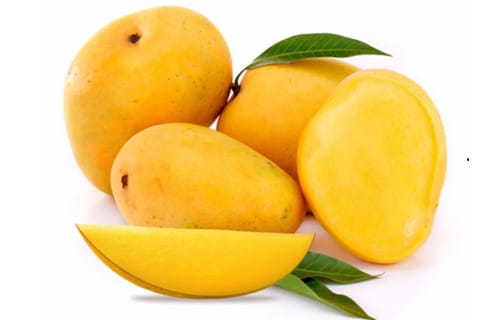
1. Mango Is One of the Oldest Cultivated Fruits
Mango has been cultivated for over 4,000 years.
Its origin traces back to South Asia, where it grew wild long before organized farming began. Ancient people didn’t just eat mangoes—they selected, protected, and improved trees over generations.
Because of this long cultivation history, mango spread slowly through trade routes to Southeast Asia, the Middle East, Africa, and eventually the rest of the world. Few fruits have traveled so far and stayed so loved.
2. There Are Over 1,000 Varieties of Mango
Most people know only a handful of mango types.
In reality, there are more than 1,000 mango varieties worldwide. Some are large and fibrous, others small and buttery. Some are extremely sweet, others tangy, floral, or mildly sour.
India alone grows hundreds of varieties, many of which never reach supermarkets because they are seasonal, delicate, or grown only locally. Each region often has its own “best” mango—and people defend their favorite fiercely.
3. Mango Is Botanically a Drupe
Scientifically, mango belongs to a fruit category called a drupe.
This means it has a fleshy outer part and a hard stone inside, similar to peaches, cherries, and olives. That large seed at the center is not just waste—it’s a defining feature of the fruit’s structure.
The size of the seed compared to the flesh varies widely between varieties. This is one reason mango breeding focuses heavily on improving flesh-to-seed ratio.
4. Mango Trees Can Live for Hundreds of Years
A mango tree is a long-term investment.
Some mango trees are known to live and produce fruit for over 300 years. Even more impressive, older trees often produce better-tasting fruit than younger ones.
Because of this longevity, mango trees are sometimes planted with future generations in mind. In many cultures, they are seen as symbols of continuity, prosperity, and patience.
5. Mango Leaves Have Cultural and Religious Importance
Mango is not valued only for its fruit.
Mango leaves are widely used in rituals, festivals, and decorations, especially in South Asia. They are hung at entrances during weddings, festivals, and important ceremonies as symbols of purity, fertility, and good fortune.
This cultural role shows how deeply mango is woven into everyday life—not just kitchens, but beliefs and traditions.
6. Mango Is Rich in Nutrients
Mango is both tasty and nutritious.
It is rich in vitamins A and C, which support vision, immunity, and skin health. Mango also contains antioxidants, fiber, and natural sugars that provide quick energy.
Unripe mangoes have different nutritional benefits, including digestive support and hydration. This is why mango appears in diets in many forms—raw, ripe, dried, juiced, or pickled.
7. Mango Is Used in Sweet and Savory Dishes
Few fruits are as versatile as mango.
Ripe mangoes are used in desserts, drinks, and sweets. Raw mangoes appear in chutneys, pickles, curries, and salads. Dried mango becomes snacks, powders, or flavoring.
This flexibility allows mango to cross culinary boundaries. It fits into traditional recipes just as easily as modern fusion dishes.
8. Mango Ripening Is a Natural Chemical Process
A mango doesn’t become sweet by chance.
As it ripens, starch inside the fruit converts into sugar. Enzymes soften the flesh, aroma compounds develop, and color changes from green to yellow or orange depending on variety.
Temperature plays a key role in this process. Too much heat or artificial chemicals can affect taste and texture, which is why naturally ripened mangoes are often preferred.
9. Mango Is a Major Global Export Fruit
Mango is one of the most traded fruits in the world.
Many countries rely on mango exports as a source of income. The fruit travels long distances under controlled conditions to reach international markets while maintaining freshness.
Despite global trade, local mangoes are often considered superior in flavor, showing how freshness and ripeness matter more than distance.
10. Mango Has Inspired Art, Language, and Symbols
Mango has influenced culture beyond food.
The paisley design, popular in textiles and art, is believed to be inspired by the shape of a mango. Mango appears in poetry, songs, idioms, and folklore across many cultures.
Even the word “mango” itself traveled across languages, showing how deeply the fruit embedded itself into global culture.
Conclusion
Mango may feel familiar, but it carries centuries of history, culture, and science within its skin. It has fed people, inspired traditions, shaped agriculture, and marked the arrival of summer year after year. From ancient orchards to modern markets, mango has remained relevant without ever losing its charm.
The next time you eat a mango, remember this: you’re not just enjoying a fruit. You’re tasting a legacy—one shaped by time, patience, and human affection. Few things in nature manage to be so simple, so joyful, and so deeply meaningful all at once.