 By Hemant Sharma
 Computer programming looks mysterious from the outside. Lines of strange symbols. Black screens filled with text. People typing fast and staring hard at monitors. But once you step inside, programming turns out to be very human. It is about thinking clearly, solving problems, and giving instructions in the simplest way possible. Here are some important and interesting facts about computer programming that show what it really is—and what it is not.
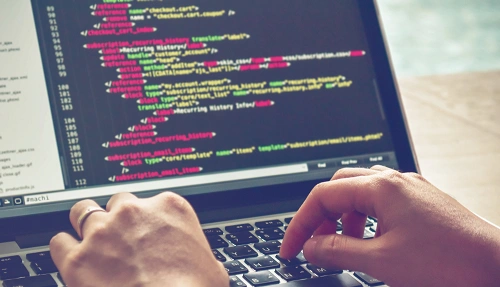
Programming is basically problem-solving
At its core, programming is not about memorizing syntax. It is about breaking a big problem into smaller steps. A computer cannot “guess” what you want. It only follows instructions. So a programmer’s real job is to think step by step and explain the solution clearly. This skill matters more than knowing any one language.
Computers only do what you tell them
One of the most important facts is also the simplest. Computers are not smart on their own. They do exactly what the code tells them to do—nothing more, nothing less. If a program crashes or behaves oddly, it is almost always because the instructions were incomplete, unclear, or wrong. This is why programmers say, “The computer is innocent. The code is guilty.”
Programming languages keep changing, but logic stays
Languages come and go. Some are popular for years, then slowly fade. New ones appear with new ideas. But logic never changes. Loops, conditions, variables, and functions exist everywhere, just with different names and styles. Once you understand logic, learning a new language becomes much easier.
You don’t need to be good at math
Many people avoid programming because they think it requires advanced mathematics. That is not true for most programming jobs. Basic arithmetic and logical thinking are usually enough. Fields like game engines, graphics, or data science use more math, but web apps, mobile apps, and business software do not depend on heavy mathematics.
Most programming time is spent fixing mistakes
Writing code is only part of the work. A large amount of time goes into debugging—finding and fixing errors. Even experienced programmers make mistakes every day. Bugs are normal. In fact, debugging is considered a skill on its own. Learning how to read error messages calmly saves hours of frustration.
Programmers copy code all the time
This surprises beginners. Copying code is normal and accepted, as long as it is done legally and with understanding. Programmers reuse old solutions, examples, and libraries to save time. The key point is not copying blindly, but knowing why the code works and how to adjust it for your needs.
Simple code is better than clever code
New programmers often try to write very clever or complex code to look impressive. Experienced programmers usually do the opposite. They prefer simple, clear code that others can read easily. Code is read more times than it is written. Simple code lasts longer and causes fewer problems.
Programming improves the way you think
Learning to code changes how you approach problems in daily life. You start thinking in steps. You look for patterns. You plan before acting. Many programmers say these habits help them outside computers too—while studying, managing time, or solving everyday issues.
There is no “perfect” program
No program is ever truly finished. There is always something to improve—speed, security, design, or clarity. Even popular software that millions use gets updates and bug fixes regularly. Programming is an ongoing process, not a one-time task.
Programming is used everywhere
People often think programming is only for software companies. In reality, it is everywhere. Cars, washing machines, traffic lights, medical devices, banks, satellites, and even farming equipment use programs. Almost every modern industry depends on code in some form.
You can start programming at any age
Age is not a barrier. Children learn programming basics in school. Adults switch careers and become developers in their 30s or 40s. What matters is patience and consistency. Programming rewards those who practice regularly, even in small amounts.
Programmers learn by doing, not by watching
You cannot learn programming just by reading books or watching videos. You have to type code, make mistakes, and fix them. This hands-on process is essential. Even short daily practice teaches more than long sessions done once in a while.
Programming teaches patience
Programs rarely work perfectly on the first try. Something always breaks. Learning to stay calm, read errors, and try again is part of the journey. Over time, this builds patience and confidence. Programmers learn that frustration is temporary and solutions always exist.
Teamwork matters more than solo genius
Movies often show programmers as lonely geniuses working alone. In real life, programming is a team activity. Developers discuss ideas, review each other’s code, and solve problems together. Communication skills are just as important as technical ones.
Programming is creative
Many people think programming is dry or mechanical. In reality, it is creative. There are many ways to solve the same problem. Choosing the cleanest, fastest, or most elegant solution is a creative decision. Building an app or game feels similar to building something with your hands.
Learning programming never really ends
Technology changes fast. New tools, new methods, and new challenges appear all the time. Programmers keep learning throughout their careers. This can feel tiring, but it also keeps the work interesting. There is always something new to explore.
You don’t need expensive tools
Most programming can be done with a simple computer and free software. Many powerful tools are open-source and available at no cost. What matters is curiosity and practice, not expensive equipment.
Programming can be frustrating—but rewarding
Yes, programming can be hard. There will be moments when nothing works and you feel stuck. But when a program finally runs correctly, the satisfaction is real. That feeling of solving a problem with your own logic keeps many programmers going.
Final thoughts
Computer programming is not magic, and it is not only for “geniuses.” It is a skill built through patience, logic, and regular practice. Behind every app, website, or digital service is a human who once struggled with basic concepts too. Understanding these facts makes programming feel less scary and more approachable. And once you begin, you realize it is not just about computers—it is about thinking better.