 By Meghna Sharma
Few ingredients work as hard in an Indian kitchen as the humble lemon. A squeeze can brighten dal, chaat and grilled fish, while whole fruits become achar, sherbet, chutney and refreshing nimbu pani. Yet the ‘lemon’ sold across India is not one single fruit. Markets offer true lemons, acid lime (Citrus aurantiifolia), aromatic regional cultivars, rough lemons and even sweet citrus such as mosambi.
In 2026, this diversity matters more than ever. Home citrus gardening, organic farming, wellness beverages and interest in GI-tagged native produce are encouraging buyers to look beyond ordinary supermarket nimbu. From Assam’s fragrant Kaji Nemu to Himalayan Galgal and Bengal’s Gondhoraj, each citrus type offers a different balance of citric acid, juice, peel oils and aroma. Some varieties are ideal for fresh drinks and everyday cooking, while others are prized for thick peels, powerful fragrance, pickling quality or commercial cultivation. Knowing these differences can help home cooks, growers and buyers choose the right citrus for a particular purpose. Now, let’s check out the Top 10 Lemon Varieties in India and what makes each one special.
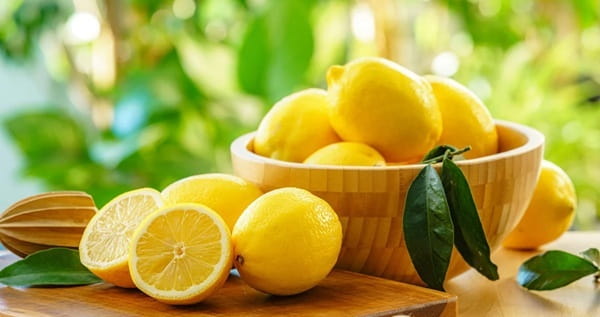
1. Kagzi Lime – India’s Everyday Acid Lime
Kagzi Lime is arguably the citrus fruit most Indians picture when someone says ‘nimbu.’ Small, thin-skinned and intensely sour, it is an acid lime rather than a European-style lemon.
- Regional Names: Kagzi nimbu in Hindi; kagaji limbu in parts of Odisha and Maharashtra; kagzi lebu in Bengali markets; generally called elumichai in Tamil and nemu in Assamese.
- Botanical/Species Type: Acid lime, Citrus aurantiifolia.
- Flavor & Aroma: Sharp acidity, clean citrus fragrance and a lively, slightly bitter peel aroma.
- Uses: Nimbu pani, shikanji, chaat, salads, marinades, dal, chutneys, pickles and household beverages. The peel also contains aromatic essential oils.
- Growing Characteristics: Well adapted to tropical and subtropical conditions. Fruits are generally small and juicy with relatively thin rind; seed number varies with selection.
For everyday Indian cooking, Kagzi remains one of the most versatile choices.
2. Kaji Nemu / Assam Lemon
Known popularly as Kaji Nemu or Kazi Nemu, Assam Lemon is one of India’s most distinctive regional citrus fruits. The elongated fruits are prized for their fragrance as much as their juice.
- Regional Names: Kaji Nemu, Kazi Nemu, Assam Lemon and Nemu Tenga.
- Botanical/Species Type: Lemon type, generally classified under Citrus limon.
- Flavor & Aroma: Pleasantly acidic but exceptionally fragrant, with fresh floral-citrus notes.
- Uses: Assam-style meals, fish preparations, salads, tea infusions, sherbets, pickles and refreshing summer drinks.
- Growing Characteristics: Hardy, productive and valued for its ability to supply fruit across an extended season.
Kaji Nemu received GI registration for Assam in 2019, recognizing its geographical identity as an agricultural product of the state.
3. Galgal / Hill Lemon
Galgal is a large, rugged lemon of the northwestern Himalayan region. Its thick peel makes it especially important for traditional preservation.
- Regional Names: Galgal, Hill Lemon, Kumaon Lemon and hill nimbu.
- Botanical/Species Type: Citrus pseudolimon.
- Flavor & Aroma: Strongly acidic with a pronounced citrus aroma and substantial fragrant rind.
- Uses: Long-lasting achar, chutney, squash, preserves, candy and juice-based preparations.
- Growing Characteristics: Vigorous and hardy, with large fruits and comparatively thick rind. Some local populations show considerable variation in size, juice content and bearing behaviour.
Research from Himalayan horticultural regions identifies Galgal as particularly suitable for pickling because larger fruits often have thicker rind and lower juice proportion.
4. Balaji ‘Seedless’ Lemon
Balaji is sometimes marketed by nurseries as ‘Balaji Seedless Lemon,’ but buyers should be careful with that label. The recognized Balaji cultivar is an improved acid lime, and horticultural research does not describe all Balaji planting material as reliably seedless.
- Regional Names: Balaji, Tenali or Balaji acid lime in parts of Andhra Pradesh.
- Botanical/Species Type: Acid lime, Citrus aurantiifolia.
- Flavor & Aroma: Strongly acidic, juicy and clean-flavoured.
- Uses: Fresh juice, nimbu pani, restaurants, pickles, marinades and commercial lime markets.
- Growing Characteristics: High-yielding and particularly suited to Andhra Pradesh conditions. Trials recorded about 47% juice content along with relatively low citrus canker incidence.
Gardeners should purchase certified Balaji plants rather than relying solely on ‘seedless’ nursery advertising.
5. Eureka Lemon
Eureka is one of the classic commercial lemons known internationally and is increasingly grown or sold in premium Indian horticultural channels.
- Regional Names: Usually sold simply as Eureka Lemon; generic names include nimbu, lebu, limbu and elumichai.
- Botanical/Species Type: True lemon, Citrus limon.
- Flavor & Aroma: Bright, strongly acidic juice with a characteristic fresh lemon-peel fragrance.
- Uses: Lemonade, bakery products, sauces, salad dressings, marinades, zest, desserts and essential oil extraction.
- Growing Characteristics: Productive trees can flower repeatedly in suitable climates. Fruits are larger and more elongated than typical Kagzi lime and usually develop a yellow skin at maturity.
It is particularly useful when a recipe requires both juice and aromatic zest.
6. Pati Nemu / Pat Nebu
Pati Nemu or Pati Lebu belongs to the eastern Indian lemon tradition, particularly Assam and Bengal. Local naming can overlap, so the fruit sold under this name may vary by district.
- Regional Names: Pati Nemu, Pati Lebu, Pat Nebu and local nimbu.
- Botanical/Species Type: Commonly associated with lemon forms of Citrus limon.
- Flavor & Aroma: Fresh, sour and pleasantly fragrant without the intense perfume of Gondhoraj.
- Uses: Sherbet, dal, fish, rice dishes, salads and everyday squeezing at the dining table.
- Growing Characteristics: Adapted to humid eastern Indian conditions. Local forms may be oblong, juicy and nearly seedless to moderately seeded.
Indian food-composition references also record Pati Lebu as a Bengali name associated with lemon.
7. Rough Lemon / Jhambiri
Rough lemon is less glamorous in the kitchen but extremely important to citrus horticulture.
- Regional Names: Jhambiri, Jambhiri, Jamir, rough lemon and, in some northeastern areas, Gol Nemu.
- Botanical/Species Type: Rough lemon, Citrus jambhiri.
- Flavor & Aroma: Strongly sour with a coarser, slightly resinous citrus character.
- Uses: Pickles, souring agents and local beverages. Agriculturally, it is widely valued as citrus rootstock.
- Growing Characteristics: Vigorous, hardy and adaptable. Fruits generally have thick, rough skin and multiple seeds.
Its resilience and strong root system explain why horticulturists often value Jhambiri more as planting material than as a premium table lemon.
8. Gondhoraj Lebu – Bengal’s ‘King of Fragrance’
Gondhoraj is one of India’s great culinary aroma ingredients. A small amount of peel can perfume an entire bowl of rice or dal.
- Regional Names: Gondhoraj Lebu, Gandharaj Lemon and ‘King of Fragrance.’
- Botanical/Species Type: Aromatic lemon-type citrus; commonly treated horticulturally within the Citrus × limon complex.
- Flavor & Aroma: Intensely floral, fragrant and slightly piney, with highly aromatic peel oils.
- Uses: Bengali dal, steamed rice, fish, salads, drinks, desserts and aromatic infusions.
- Growing Characteristics: Grown mainly for fragrance rather than maximum juice yield. Fruit quality depends greatly on cultivar authenticity and growing conditions.
Scientific horticultural literature has documented Gandharaj lemon cultivation in West Bengal, where orchard management can significantly influence flowering and fruiting.
9. Sweet Lime / Mosambi
Mosambi deserves a place on the list because Indian consumers group it with lemons and limes, although its culinary role is very different.
- Regional Names: Mosambi, Mausami, Mitha Lebu and sweet lime.
- Botanical/Species Type: Sweet citrus, commonly classified as Citrus limetta or within the sweet-lime group.
- Flavor & Aroma: Mild, gently sweet and low in sharp acidity.
- Uses: Fresh juice, fruit platters, hospital diets, beverage counters and blended drinks.
- Growing Characteristics: Fruits are larger than Kagzi lime, with pale green to yellow skin and abundant mild juice.
Because it lacks strong citric-acid sharpness, mosambi is not a direct substitute for Kagzi lime in achar, chaat or marinades.
10. Lisbon Lemon
Lisbon is another classic true lemon and is closely associated with commercial lemon production internationally.
- Regional Names: Generally sold as Lisbon Lemon; local generic terms include nimbu, limbu, lebu and elumichai.
- Botanical/Species Type: True lemon, Citrus limon.
- Flavor & Aroma: Strongly acidic with clean lemon fragrance and aromatic yellow peel.
- Uses: Lemon juice, baking, marinades, beverages, preserves, zest and essential oils.
- Growing Characteristics: Vigorous trees are generally more thorny and robust than Eureka. Lisbon is known for good productivity and tolerance of comparatively challenging growing conditions.
For buyers accustomed to large European-style yellow lemons, Lisbon offers the classic sharp lemon profile.
Practical Buyer’s Guide: How to Select and Store Fresh Lemons
Choosing good citrus is easier when you judge the fruit rather than its colour alone.
- Pick fruits that feel heavy for their size. Greater weight usually indicates better juice content.
- Look for firm but slightly elastic skin. Very hard, shrivelled or excessively dry fruit may contain less juice.
- Smell the peel. Gondhoraj, Kaji Nemu and good-quality true lemons should release noticeable aroma when lightly rubbed.
- Refrigerate for longer storage. Keep lemons dry in a sealed or breathable produce container. Wash only before use, as excess surface moisture encourages spoilage.
For zest and peel oil, choose unwaxed fruit whenever possible and wash the surface carefully before grating.
Conclusion
India’s citrus basket stretches far beyond ordinary nimbu. Kagzi Lime brings sharp acidity, Kaji Nemu carries Assam’s regional identity, Gondhoraj delivers extraordinary perfume, while Galgal excels in traditional achar. Exploring these varieties can transform everyday drinks, marinades, pickles and regional dishes while supporting India’s remarkable citrus heritage.
Frequently Asked Questions
Q. What is the main difference between Kagzi Lime and European Eureka Lemons?
Kagzi is an acid lime (Citrus aurantiifolia) that is generally smaller, greener, thinner-skinned and sharply acidic. Eureka is a true lemon (Citrus limon), usually larger and yellow when mature, with more peel suitable for zest and culinary essential oils. Kagzi is better suited to everyday nimbu pani, chaat and Indian marinades.
Q. Why is Assam Kaji Nemu granted a Geographical Indication (GI) tag?
Kaji Nemu is closely associated with Assam, its growing environment and regional agricultural tradition. Its distinctive fruit characteristics and established geographical identity allowed it to be registered as a GI agricultural product. The official GI registration was issued in September 2019 and remains registered through January 2028.
Q. Which Indian lemon variety is best for making long-lasting oil pickles or achar?
Galgal is one of the best choices. Its large fruit, high acidity and thick rind stand up well to salt, spices and prolonged pickling. Research on Galgal specifically notes the usefulness of larger, thicker-rinded fruits for pickle making.
Q. How can you tell if a lemon is juicy before buying it at the market?
Choose a lemon that feels unexpectedly heavy compared with another fruit of the same size. A smooth or slightly flexible peel is usually preferable to dry, hard or shrivelled skin. Avoid fruit with large soft patches, mould or deep dehydration.