 By Meghna Sharma
India’s grape industry goes far beyond the familiar green seedless bunch sold in fruit shops. Maharashtra and Karnataka dominate commercial production, while grapes are also grown in Tamil Nadu, Andhra Pradesh, Punjab, Haryana and smaller pockets elsewhere. The crop supports fresh table grapes, raisins, juice and wine.
For consumers, the differences are easy to notice: some grapes are crisp and seedless, some are large and seeded, while others have dark skin or strongly coloured juice. For growers, variety choice affects berry size, sweetness, harvest season, shelf life and export suitability. In 2026, traceability, cold-chain handling and market-specific quality are increasingly important.
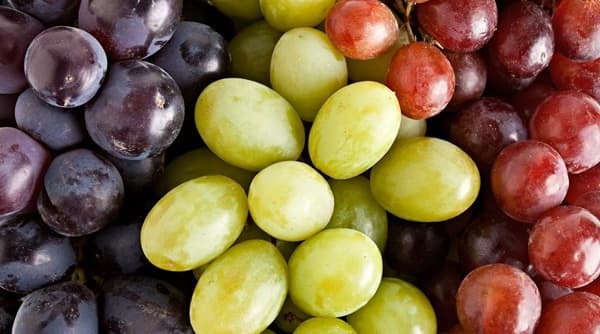
India has more than 20 grape varieties under cultivation, although only a smaller group dominates commercial production. This guide combines leading market cultivars with distinctive varieties used for fresh eating, raisins and processing. Now, let’s check out the top 10 grapes varieties in India.
1. Thompson Seedless
Thompson Seedless is the backbone of India’s commercial grape industry and the parent of several important Indian selections. Its green seedless berries suit fresh consumption, raisins and export packing, giving it a role in almost every major grape market.
- Colour & seed type: Green to greenish-yellow; seedless.
- Berry profile: Medium berries with a mild, sweet flavour and juicy texture.
- Major regions: Especially important in Maharashtra and Karnataka.
- Best uses: Fresh table grapes, raisins and export markets.
- Market note: It remains the dominant commercial grape group in India when its selections and clones are included.
2. Sonaka
Sonaka is a popular Thompson Seedless selection recognised for its long, slender berries. Its attractive shape, sweetness and seedless character make it a familiar premium green grape in Indian fruit shops.
- Colour & seed type: Green to pale golden; seedless.
- Berry profile: Elongated berries with sweet flavour and a pleasant bite.
- Major regions: Maharashtra and northern Karnataka.
- Best uses: Fresh eating, premium packs and raisins.
- Buyer appeal: The long berry shape makes Sonaka easy to distinguish from more rounded green seedless grapes.
3. Tas-A-Ganesh
Tas-A-Ganesh is another important Thompson Seedless selection. It is valued for attractive bunches and enlarged green berries and has long been important in western India’s fresh-grape belt.
- Colour & seed type: Green to yellow-green; seedless.
- Berry profile: Large, attractive berries with a mild sweet taste.
- Major regions: Maharashtra and adjoining Karnataka grape belts.
- Best uses: Fresh table grapes and export-oriented production.
- Grower note: Berry sizing, bunch thinning and good crop management are important when targeting premium fruit.
4. Sharad Seedless
Sharad Seedless is one of India’s best-known black seedless grapes. Its deep purple-black skin gives shoppers a strong visual alternative to green grapes, while its sweet taste supports premium fresh-fruit sales.
- Colour & seed type: Dark purple to black; seedless.
- Berry profile: Sweet, juicy berries with attractive dark skin.
- Major regions: Commercially important particularly in Maharashtra.
- Best uses: Fresh eating and premium retail presentation.
- Nutrition note: The dark skin naturally contains anthocyanin pigments and other grape polyphenols.
5. Flame Seedless
Flame Seedless adds bright red colour to India’s table-grape market. Its berries are seedless, crisp and visually attractive, making the variety useful for retail packs and export-focused production.
- Colour & seed type: Red to reddish-purple; seedless.
- Berry profile: Crisp, juicy and pleasantly sweet.
- Major regions: Maharashtra and selected areas of Tamil Nadu, Punjab and Haryana.
- Best uses: Fresh eating, fruit platters and export packs.
- Market advantage: Its red colour offers shoppers a seedless alternative to both green and black varieties.
6. Bangalore Blue
Bangalore Blue is one of India’s most distinctive traditional grapes. Its purple-blue skin and pronounced aroma make it especially useful for juice, local wine and processing as well as fresh consumption.
- Colour & seed type: Purple-blue to nearly black; generally seeded.
- Berry profile: Juicy and strongly aromatic, with a more pronounced flavour than neutral table grapes.
- Major regions: Historically associated with Karnataka, especially around Bengaluru.
- Best uses: Fresh eating, juice, wine and processing.
- Buyer note: Its strong aroma is a varietal characteristic and should not be confused with spoilage when the berries are fresh.
7. Anab-e-Shahi
Anab-e-Shahi is a classic large-berried Indian table grape. Although seeded, its impressive bunch size and juicy flesh have kept it important in several southern grape-growing regions.
- Colour & seed type: Greenish-white; seeded.
- Berry profile: Large oval berries with juicy flesh and mild sweetness.
- Major regions: Karnataka, Andhra Pradesh and Tamil Nadu.
- Best uses: Fresh table consumption and wholesale markets.
- Market character: Large berry and bunch size are its main strengths in markets where seeded grapes remain accepted.
8. Perlette
Perlette is an early green seedless grape associated especially with north Indian production. Its ability to ripen before the monsoon is useful in Punjab and Haryana, where the season differs from peninsular India.
- Colour & seed type: Greenish-white; seedless.
- Berry profile: Small to medium berries with a mild sweet taste.
- Major regions: Punjab, Haryana and nearby grape pockets.
- Best uses: Fresh eating and early-season markets.
- Seasonal advantage: Its early harvest helps growers reach markets before heavy monsoon weather becomes a major crop risk.
9. Red Globe
Red Globe is easy to recognise because of its very large pink-red berries. Unlike Flame Seedless, it normally contains seeds, but its size, firmness and attractive bunches make it suitable for premium table-grape displays.
- Colour & seed type: Pink-red to red; seeded.
- Berry profile: Very large, firm berries with mild sweetness.
- Growing interest: Cultivated and evaluated in several Indian table-grape regions.
- Best uses: Fresh eating and premium large-berry displays.
- Buyer note: The presence of seeds is normal; consumers choose Red Globe mainly for berry size and texture.
10. Pusa Navrang
Pusa Navrang is very different from most supermarket grapes because its colour extends strongly into the juice. Developed by ICAR-IARI, it is an early coloured grape valued mainly for processing rather than mainstream table sales.
- Origin: Developed by ICAR-IARI, New Delhi.
- Colour & type: Deep-coloured teinturier-type grape with coloured juice.
- Sweetness: Around 19°Brix in ICAR descriptions.
- Special trait: Early maturing and reported tolerant to powdery mildew and anthracnose.
- Best uses: Coloured grape juice and wine.
Practical Buyer’s Guide: How to Choose Fresh Grapes
Fresh grapes should look lively rather than tired. Variety determines berry shape, seed content and colour, but stem condition, firmness and storage still decide whether a bunch will taste good at home.
- Check the stem: Fresh bunches usually have green or reasonably fresh-looking stems rather than very dry, brittle ones.
- Inspect the berries: Choose plump, firm berries without leaking juice, mould, deep wrinkles or widespread cracking.
- Do not fear the bloom: A light whitish coating on grape skin is natural bloom and can be a normal sign of relatively undisturbed fruit.
- Choose by use: Seedless green grapes suit snacking and raisins; Bangalore Blue and Pusa Navrang are better known for juice or processing.
- Storage: Keep unwashed grapes refrigerated and wash them shortly before eating to reduce moisture-related spoilage.
Conclusion
India’s grape diversity ranges from dominant green seedless cultivars to black, red, large-seeded and processing grapes. Thompson Seedless, Sonaka and Tas-A-Ganesh lead fresh markets, while Bangalore Blue and Pusa Navrang serve different processing needs. For consumers, freshness matters most; for growers, market purpose should guide variety selection.
Frequently Asked Questions
Q. Which grape variety is most widely grown in India?
Thompson Seedless and its selections dominate India’s commercial grape production, especially in Maharashtra and Karnataka. The variety group is important for fresh sales, raisins and exports.
Q. Which Indian grapes are best for raisins?
Thompson Seedless and selections such as Sonaka are widely used because they are seedless and can develop suitable sugar levels for drying. Maturity and drying practices also affect raisin quality.
Q. What is the difference between Sharad Seedless and Flame Seedless?
Sharad Seedless is typically dark purple to black, while Flame Seedless is red. Both are seedless table grapes, but their berry appearance and market positioning differ.
Q. Which grape variety is best for juice in India?
Bangalore Blue is traditionally valued for aromatic juice, while Pusa Navrang was developed as a coloured grape suitable for juice and wine. The best choice depends on the flavour and colour wanted.