 By Hemant Sharma
 Soil is everywhere under our feet, yet it’s one of the most ignored parts of nature. We walk on it, build on it, farm it, and rarely stop to think about what it actually is. Many people see soil as just dirt. In reality, soil is a living system—complex, fragile, and absolutely essential for life on Earth.
Without soil, there would be no food, no forests, no grasslands, and no stable ecosystems. Civilizations have risen because of fertile soil and collapsed when it was destroyed. These ten facts explain why soil is not just ground beneath us, but one of the most important natural resources humans have ever depended on.
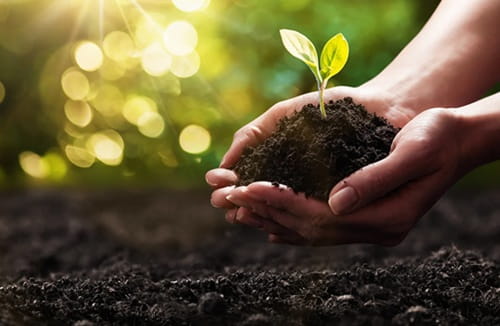
1. Soil Is Alive
Soil is not dead matter. It is alive with activity.
A single handful of healthy soil contains billions of microorganisms—bacteria, fungi, protozoa, insects, and worms. These organisms break down organic matter, recycle nutrients, and help plants grow.
This living network makes soil a dynamic ecosystem rather than a static material. When soil life is damaged, fertility drops, crops weaken, and ecosystems begin to fail.
2. Soil Takes Hundreds of Years to Form
Soil is slow to develop.
It can take hundreds to thousands of years to form just a few centimeters of fertile soil. Weathering of rocks, decomposition of plants, microbial activity, and climate conditions all work together over long periods.
This means soil is effectively a non-renewable resource on a human timescale. When soil is eroded or polluted, it cannot simply be replaced within a lifetime.
3. Soil Has Layers, Not Just One Surface
Soil is made up of different layers called horizons.
The top layer is rich in organic matter and nutrients. Below it are layers with minerals, clay, and weathered rock. Each layer has a specific role in water storage, root support, and nutrient movement.
Healthy soil depends on all these layers working together. When topsoil is lost, the most productive part of soil disappears.
4. Soil Feeds the World
Nearly 95% of global food production depends on soil.
Crops grow in soil, animals eat plants grown in soil, and humans depend on both. Even products like cotton, coffee, and tea rely on soil health.
When soil fertility declines, food security becomes fragile. History shows that soil degradation often leads to famine, migration, and social instability.
5. Soil Stores More Carbon Than the Atmosphere
Soil plays a major role in regulating Earth’s climate.
It stores more carbon than the atmosphere and all vegetation combined. Organic matter in soil locks carbon underground, reducing greenhouse gases in the air.
When soil is disturbed through deforestation, over-farming, or erosion, this stored carbon is released back into the atmosphere, contributing to climate change.
6. Different Soils Serve Different Purposes
Not all soils are the same.
Sandy soil drains quickly but holds fewer nutrients. Clay soil holds water and nutrients but drains poorly. Loamy soil—a balanced mix—is ideal for most crops.
Understanding soil type is essential for farming, construction, and environmental planning. Treating all soil the same leads to poor decisions and long-term damage.
7. Soil Filters and Stores Water
Soil acts as a natural water filter.
As water moves through soil, impurities are removed and nutrients are absorbed. Soil also stores water, releasing it slowly to plants and groundwater systems.
Healthy soil reduces flooding, supports crops during dry periods, and protects water quality. Damaged soil does the opposite—causing runoff, erosion, and water pollution.
8. Soil Prevents Erosion and Land Degradation
Plant roots anchored in soil hold land together.
When vegetation is removed, soil becomes vulnerable to wind and water erosion. Entire landscapes can degrade rapidly, turning fertile land into barren ground.
Soil conservation practices—like crop rotation, cover crops, and controlled grazing—exist to protect this delicate balance.
9. Soil Is Central to Biodiversity
Many organisms spend their entire lives in soil.
From earthworms and insects to fungi and microbes, soil supports a vast range of life. These organisms form food chains that affect plants, animals, and humans.
Loss of soil biodiversity weakens ecosystems and reduces their ability to recover from stress, disease, or climate change.
10. Soil Health Reflects Human Choices
The condition of soil often mirrors how humans treat the land.
Sustainable farming, forest protection, and responsible land use improve soil over time. Overuse of chemicals, deforestation, and careless construction destroy it.
Healthy soil is not accidental—it is managed. Every choice made above ground leaves a mark below it.
Conclusion
Soil is not just something we stand on. It is something we live because of. It grows our food, stores our water, supports biodiversity, and regulates the climate. It forms slowly, breaks easily, and recovers only when treated with care.
Ignoring soil has always carried consequences. Respecting it has always brought stability. The future of food, environment, and human survival is tied directly to the health of soil beneath our feet.
When we protect soil, we protect life itself—quietly, deeply, and for generations to come.