 By Hemant Sharma
 Elephants are among the most fascinating animals on Earth. They are massive in size, yet gentle in behavior. Intelligent, emotional, and deeply social, elephants have captured human attention for centuries. They appear in ancient stories, modern documentaries, and cultural symbols across the world. But beyond their impressive appearance lies a complex and emotional creature that shares many surprising similarities with humans. Here are the top 10 interesting facts about elephants, explained in detail.
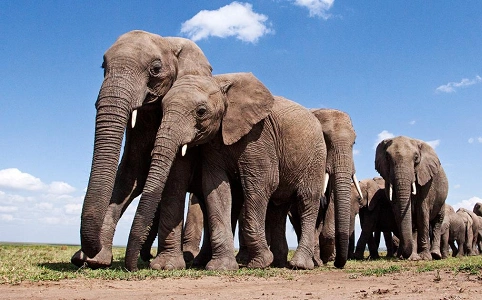
1. Elephants are the largest land animals on Earth
Elephants hold the record for being the biggest animals to live on land. An adult elephant can weigh several thousand kilograms and stand taller than most vehicles. Despite their size, elephants move quietly and gracefully. Their bodies are designed to support immense weight, with thick legs that act like pillars and wide feet that spread pressure evenly on the ground.
2. Elephants are incredibly intelligent
Elephants are among the smartest animals in the world. They can solve problems, recognize themselves in mirrors, and remember places and individuals for many years. Their brains are large and complex, especially the parts linked to memory and emotion. This intelligence helps them survive in the wild by remembering water sources, migration routes, and social relationships.
3. Elephants have exceptional memory
The phrase “elephants never forget” exists for a reason. Elephants can remember locations, dangers, and other elephants even after long periods of separation. This memory is crucial during droughts, as older elephants often remember distant water sources that younger ones have never seen.
4. Elephant trunks are extremely powerful and precise
An elephant’s trunk is one of the most amazing body parts in the animal kingdom. It contains thousands of muscles and no bones. Elephants use their trunks to breathe, smell, drink water, lift heavy objects, and even pick up tiny items like grass or seeds. The same trunk that can uproot a tree can also gently touch a newborn calf.
5. Elephants are deeply emotional animals
Elephants experience emotions such as joy, sadness, fear, and grief. They are known to mourn their dead, often staying near the body and gently touching bones with their trunks. Elephants also comfort distressed members of their group by touching and staying close, showing empathy rarely seen outside humans.
6. Elephants live in strong family groups
Elephants are highly social and live in close-knit family groups led by an experienced female called a matriarch. The matriarch guides the group, makes decisions, and protects younger members. These family bonds can last a lifetime, and elephants depend heavily on social support.
7. Elephants communicate in complex ways
Elephants communicate using sounds, body language, and even vibrations. Some of their calls are so low in frequency that humans cannot hear them. These sounds can travel long distances through the ground, allowing elephants to communicate with herds far away. This form of communication helps them stay connected over vast areas.
8. Elephants have a long pregnancy
Elephant pregnancies last about 22 months, making them the longest of any land animal. This long development period allows baby elephants to be born with well-developed brains. Newborn calves depend heavily on their mothers and other family members, and the entire herd often helps protect and care for them.
9. Elephants play a key role in their ecosystems
Elephants are often called “ecosystem engineers.” As they move, they knock down trees, dig for water, and spread seeds through their dung. These actions help shape the landscape, create water sources for other animals, and support plant growth. Without elephants, many ecosystems would change dramatically.
10. Elephants can live long lives
Elephants have long lifespans, often living 60 to 70 years in the wild. Their long lives allow knowledge and experience to be passed down through generations. Older elephants play a crucial role in guiding herds and ensuring survival during difficult times.
Final Thoughts
Elephants are far more than just large animals. They are thinkers, feelers, leaders, and caretakers of their environment. Their intelligence rivals that of many primates, their emotions reflect deep social bonds, and their role in nature is irreplaceable. Learning about elephants helps us understand not only wildlife but also the importance of empathy, memory, and cooperation in the natural world. Protecting elephants means protecting one of Earth’s most remarkable living beings.